


The Subterranean Cathedral: Mastering the Light, Legend, and Hydrology of Smoo Cave
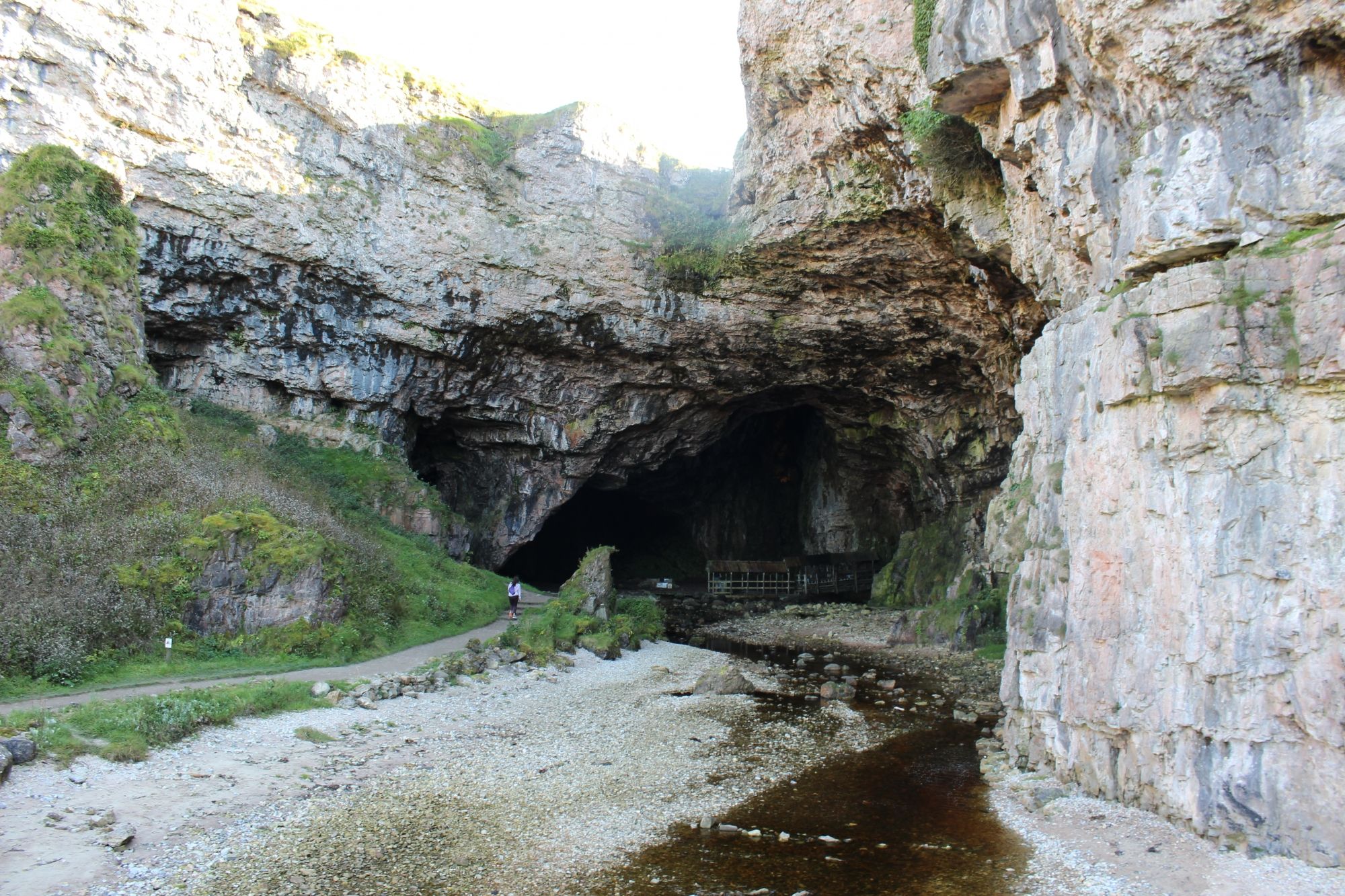
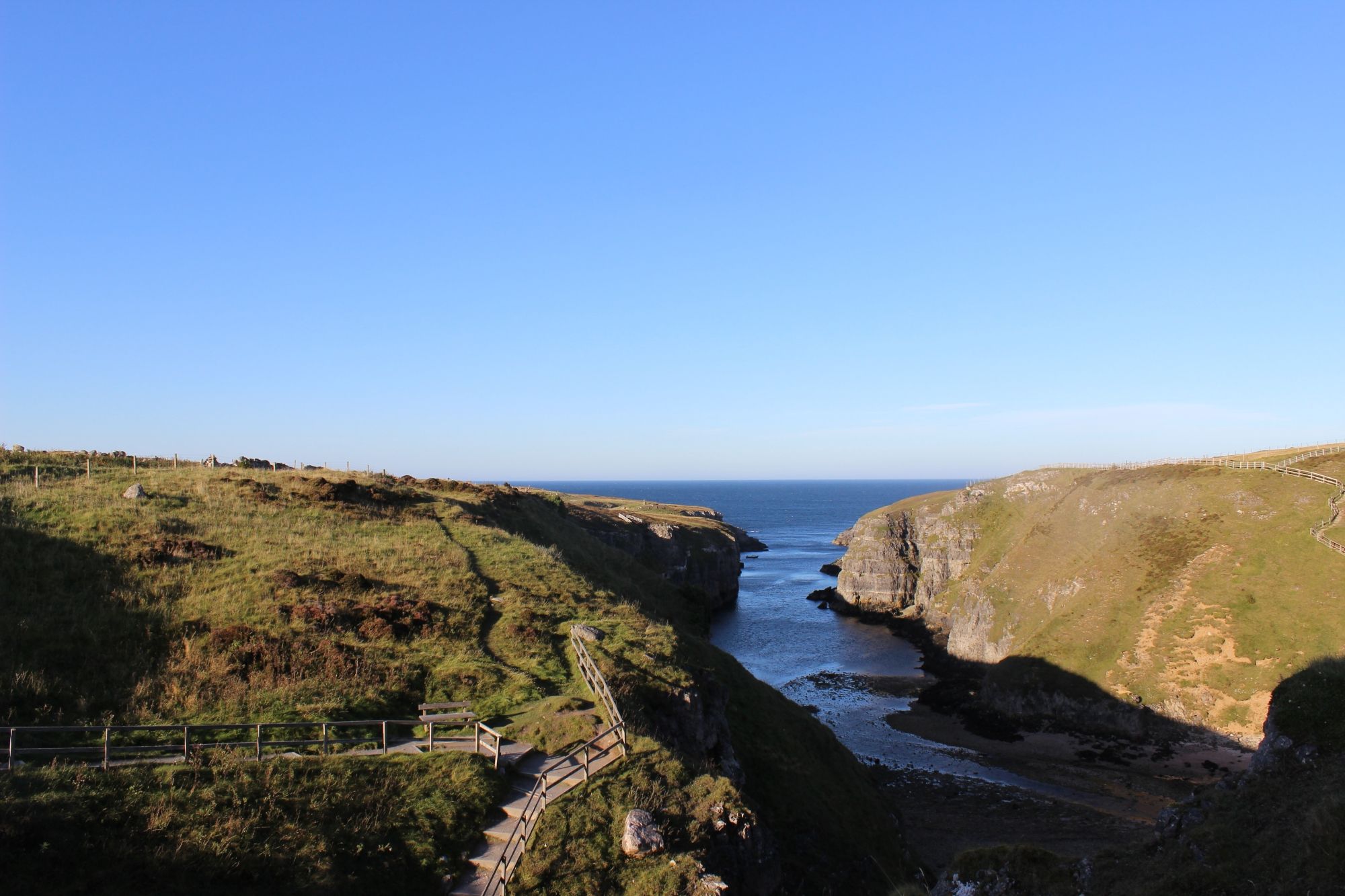
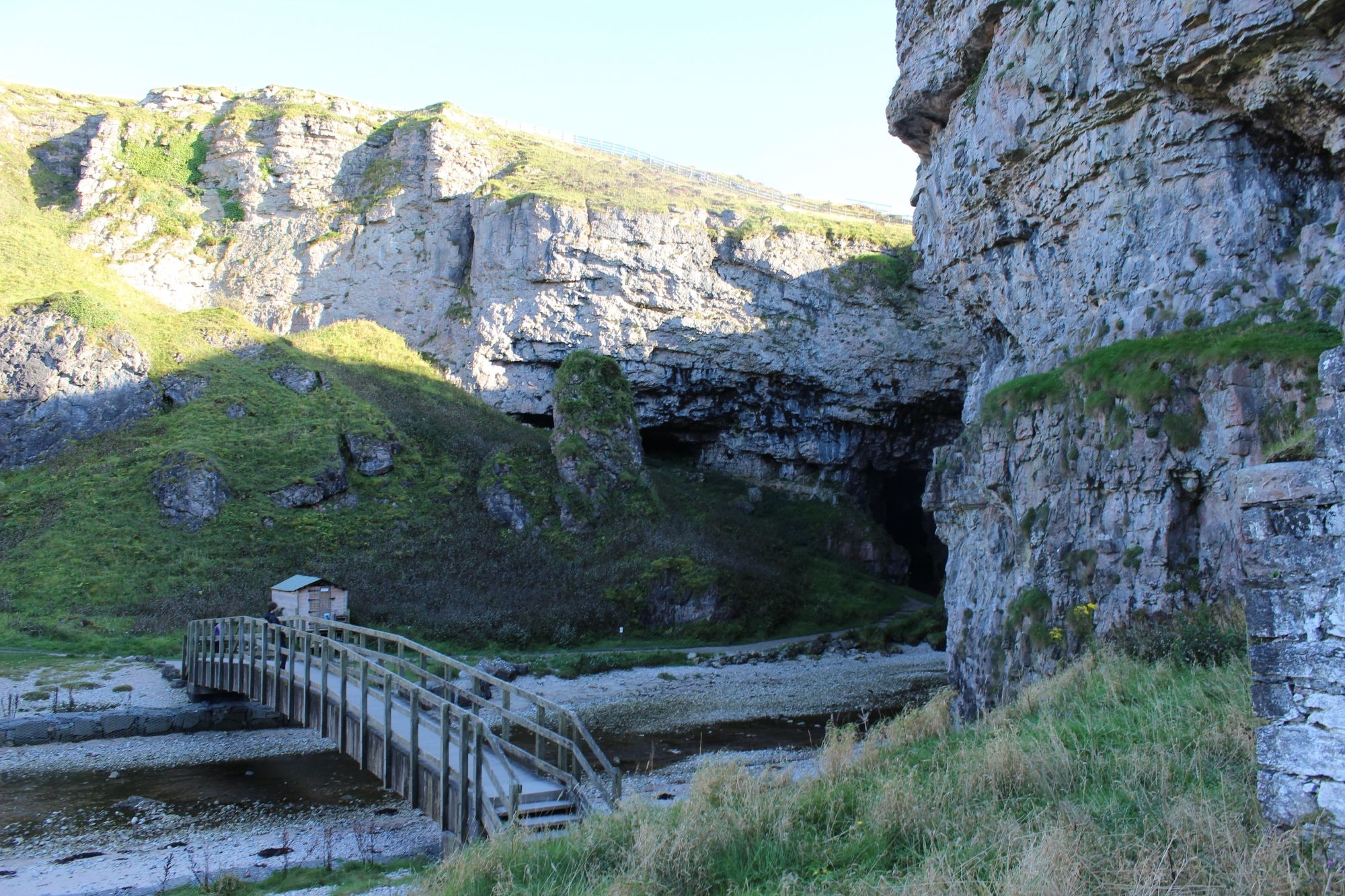
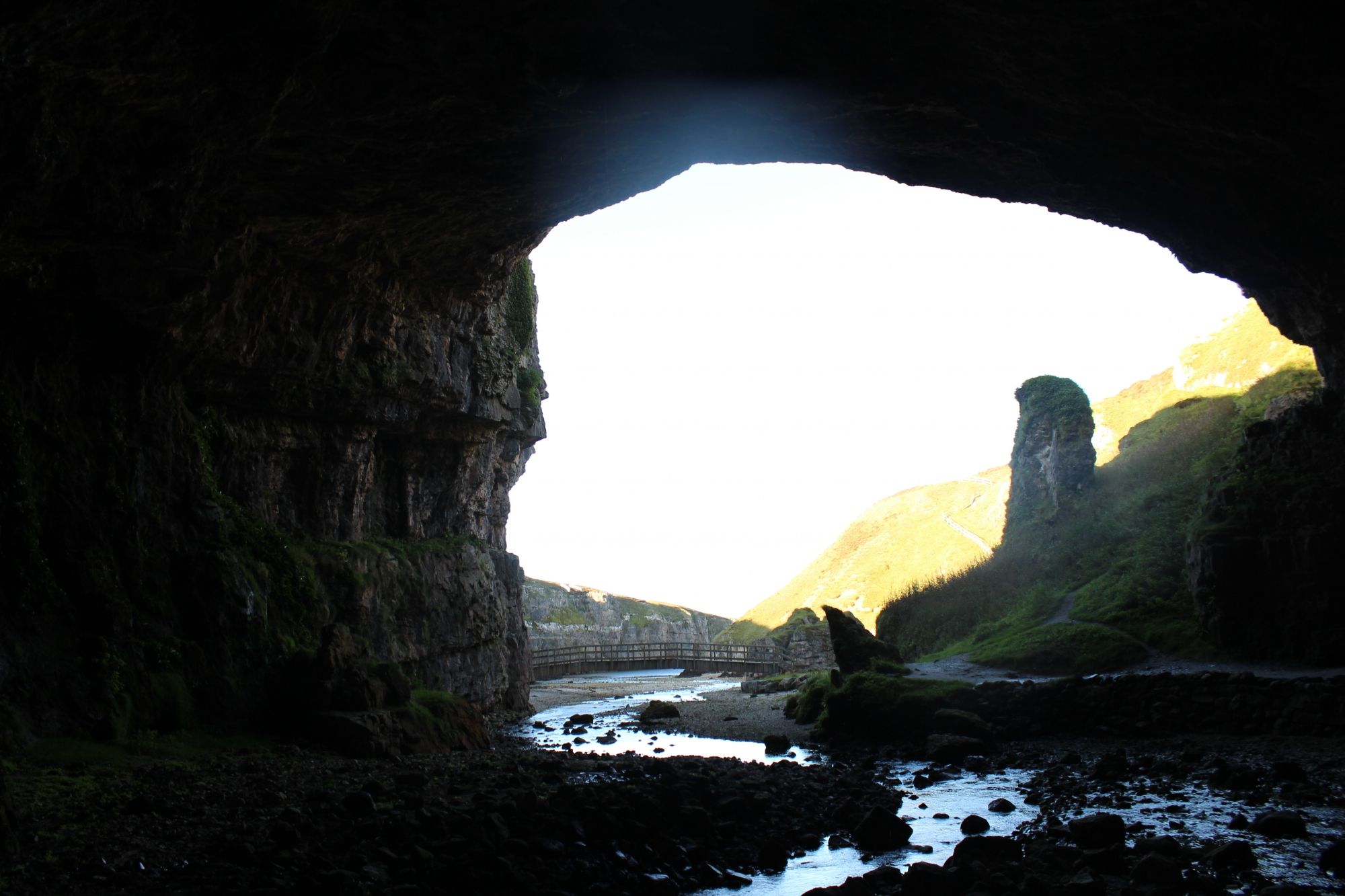
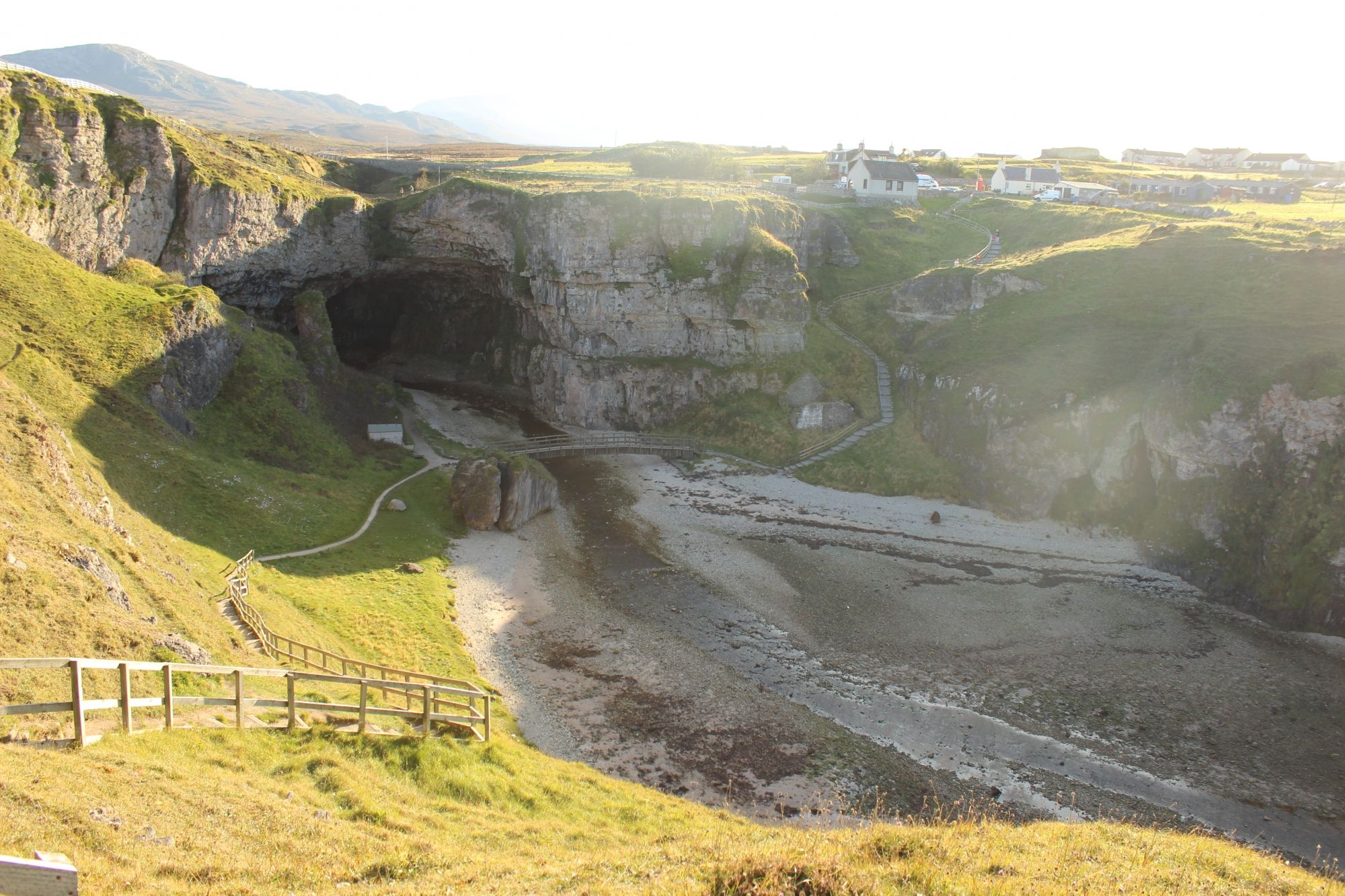
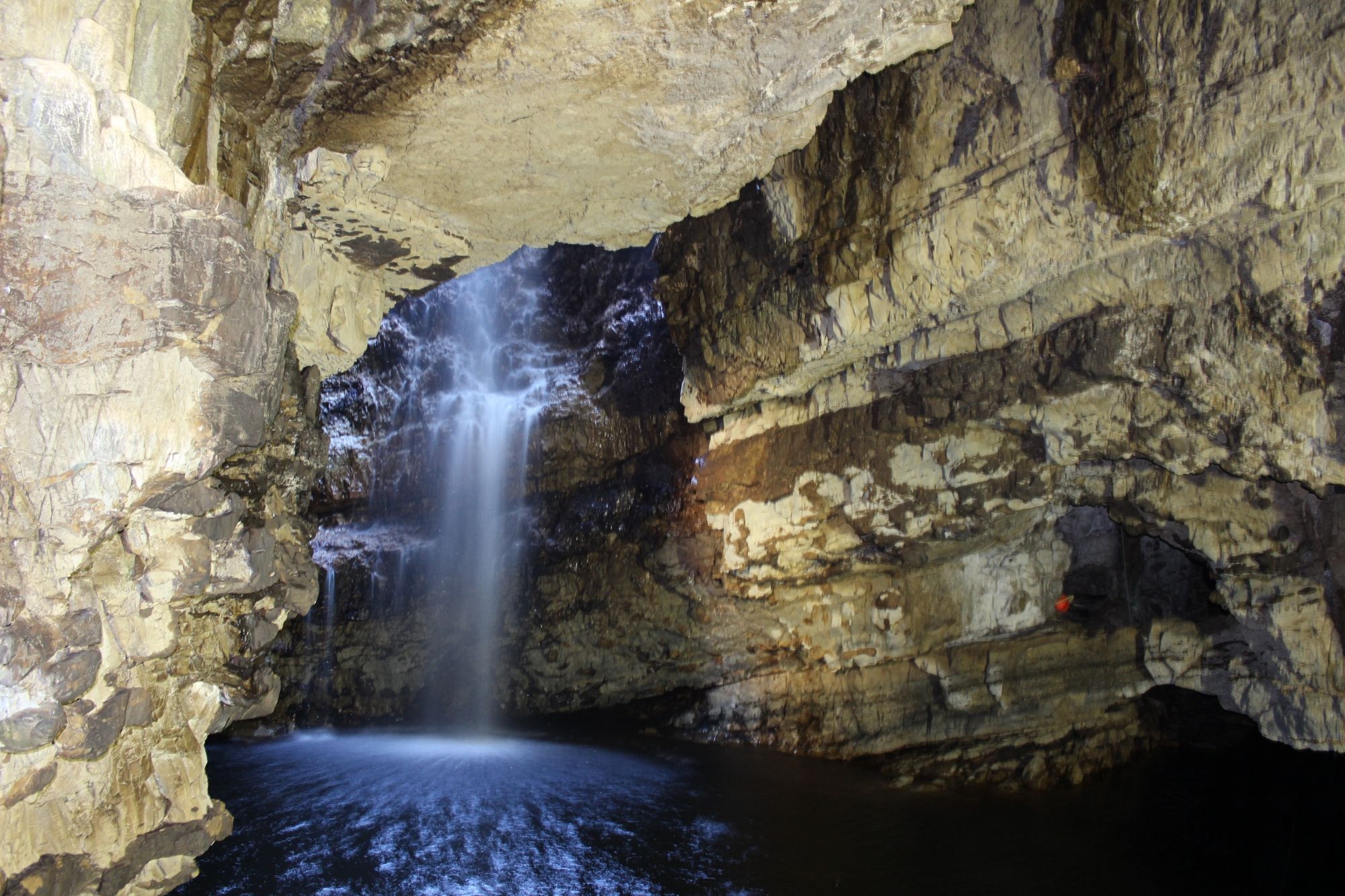
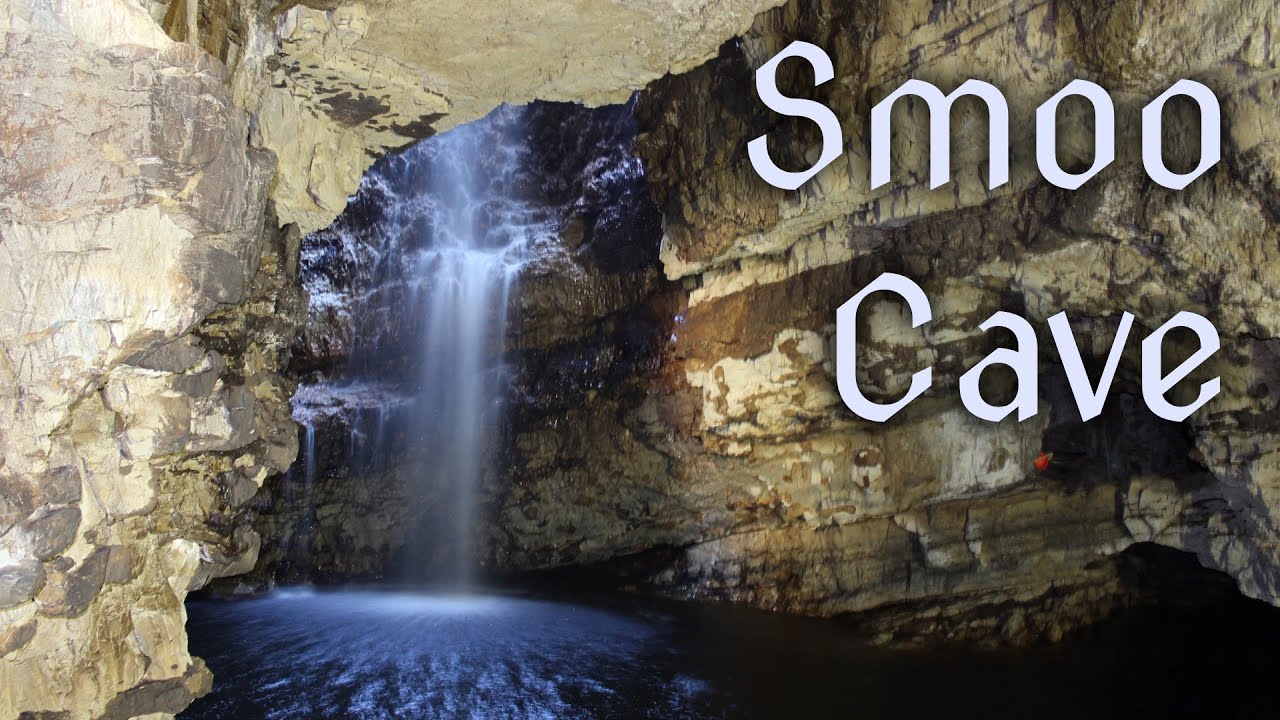
Located on the rugged, wind-swept periphery of Durness, Smoo Cave represents an elite geological intersection of marine and freshwater evolution. Its massive, sky-lit entrance—one of the largest sea cave portals in the UK—masks a complex, multi-chambered system carved into the limestone bedrock. The site is defined by the "Allt Smoo," a freshwater stream that plunges into the cave’s roof to form a thunderous subterranean waterfall. For the 2026 traveler, Smoo remains a mandatory stop on the NC500, offering a visceral experience of the Highland interior where the prehistoric past of Neolithic shelters and Norse "hiding places" (from the Old Norse smuga) remains palpably alive.
Geological Architecture: The Dual-Water Phenomenon
Smoo Cave functions as a two-part system that challenges standard definitions of coastal formation:
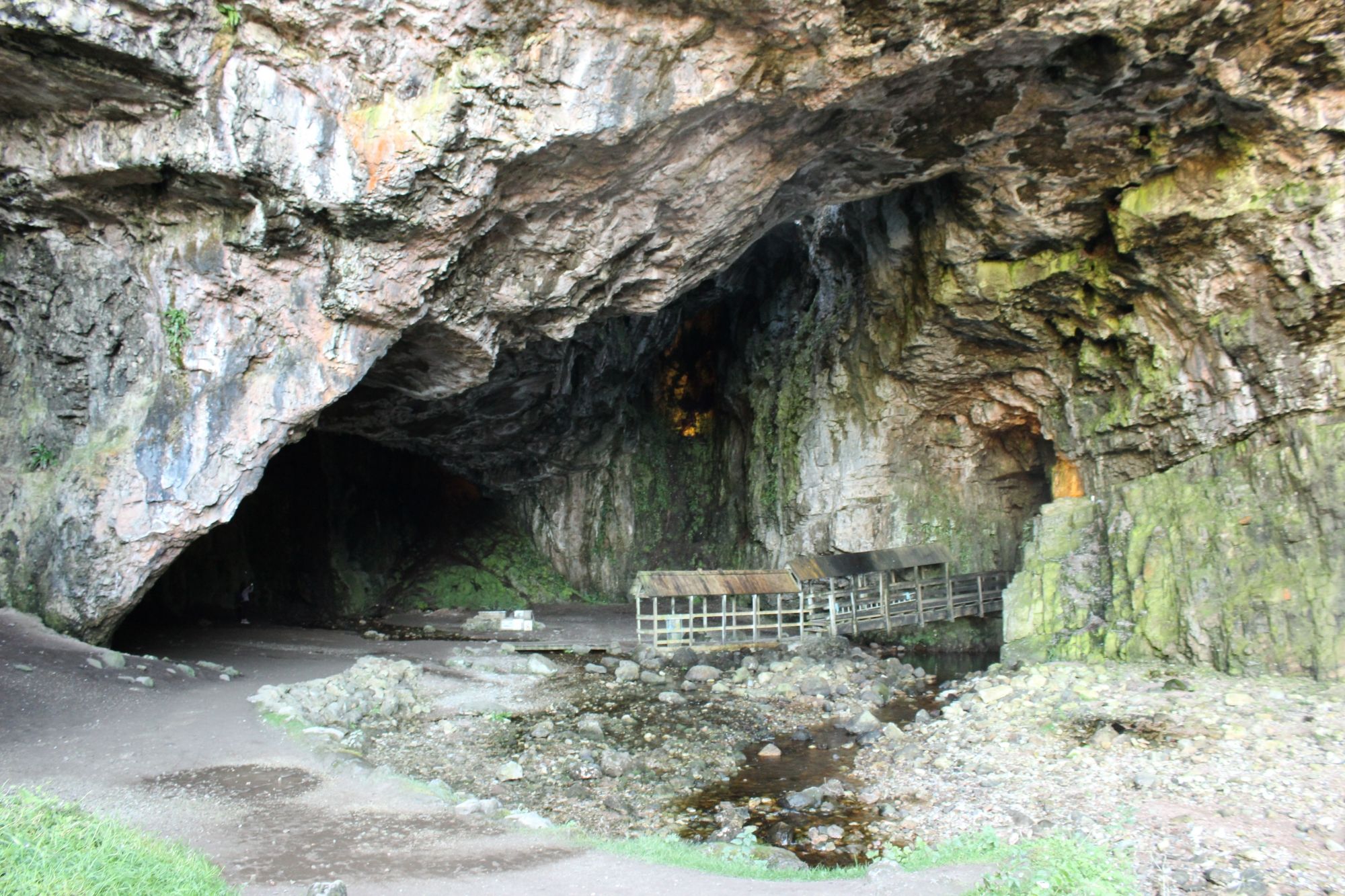
- The Marine Portal (Chamber 1): The gargantuan entrance was carved by ancient, high-energy Atlantic storm surges. It serves as a natural, naturally illuminated auditorium that provides a breathtaking sense of scale.
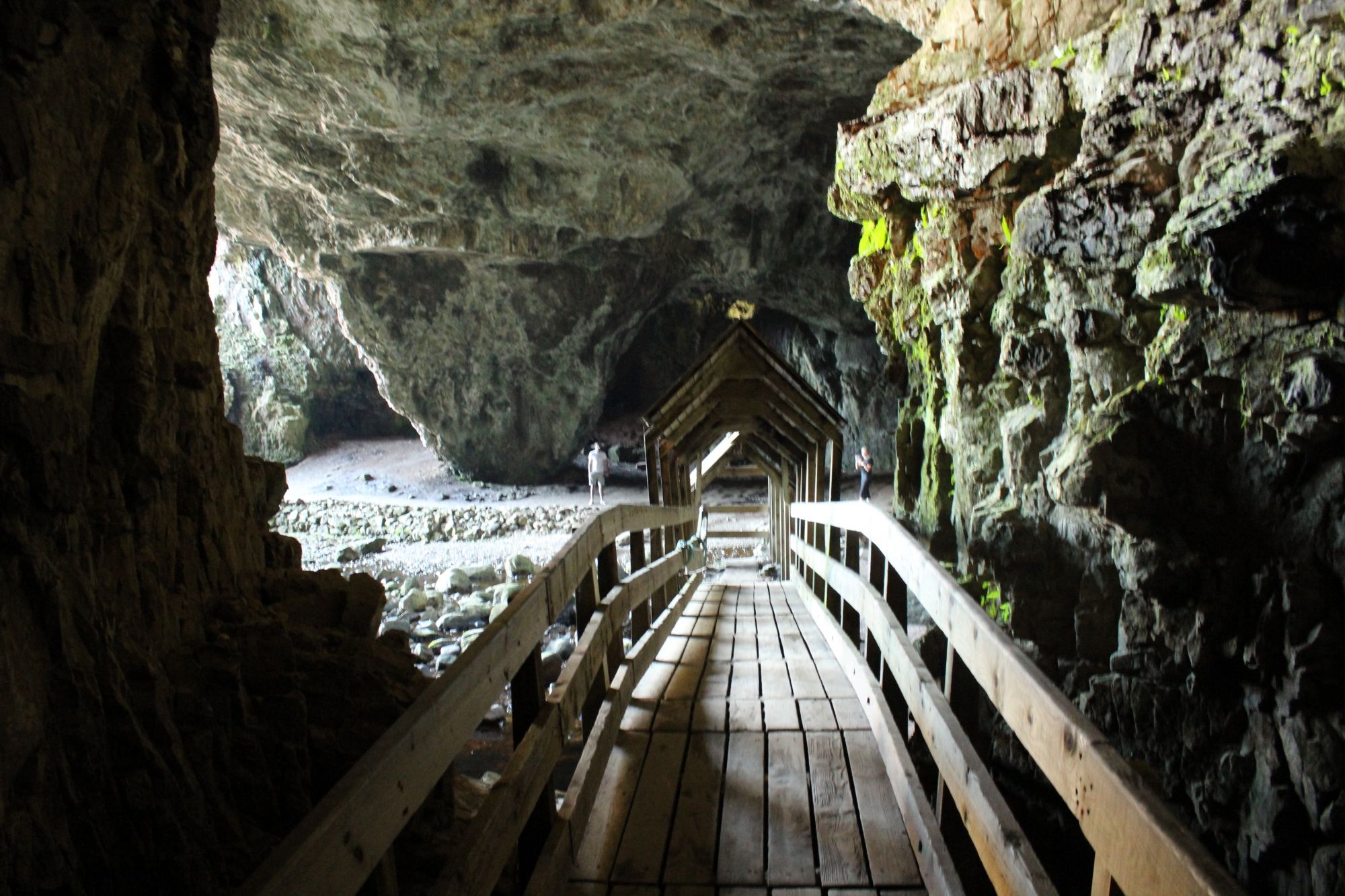
- The Freshwater Inner System (Chambers 2 & 3): Beyond the reach of the tides, the inner chambers were dissolved by the Allt Smoo waterfall. The "waterfall lottery" is a key production challenge; the cascade’s presence depends on rainfall and wind direction—which often shears the water away from the sinkhole—making the visual presence of the falls an unpredictable, highly sought-after cinematic element.
Logistics and Production Constraints (2026 Season)
As of 2026, the management of Smoo Cave prioritizes environmental conservation and visitor safety, with strict operational standards in place:
- The Boat Tour: Access to the inner, waterfall-fed chambers is restricted to the managed boat tour. Tours are non-bookable, operate on a first-come, first-served basis, and are highly weather-dependent. Arriving at the cave floor early in the morning is essential for securing a spot during peak months (April–September).
- Drone and Ecological Protection: The site is a strict "No-Drone Zone." This protects the delicate cliffside nesting grounds of local seabirds and maintains the sanctity of the Durness coastal silence. Filmmakers must rely on ground-based, long-exposure, or low-light cinematography techniques.
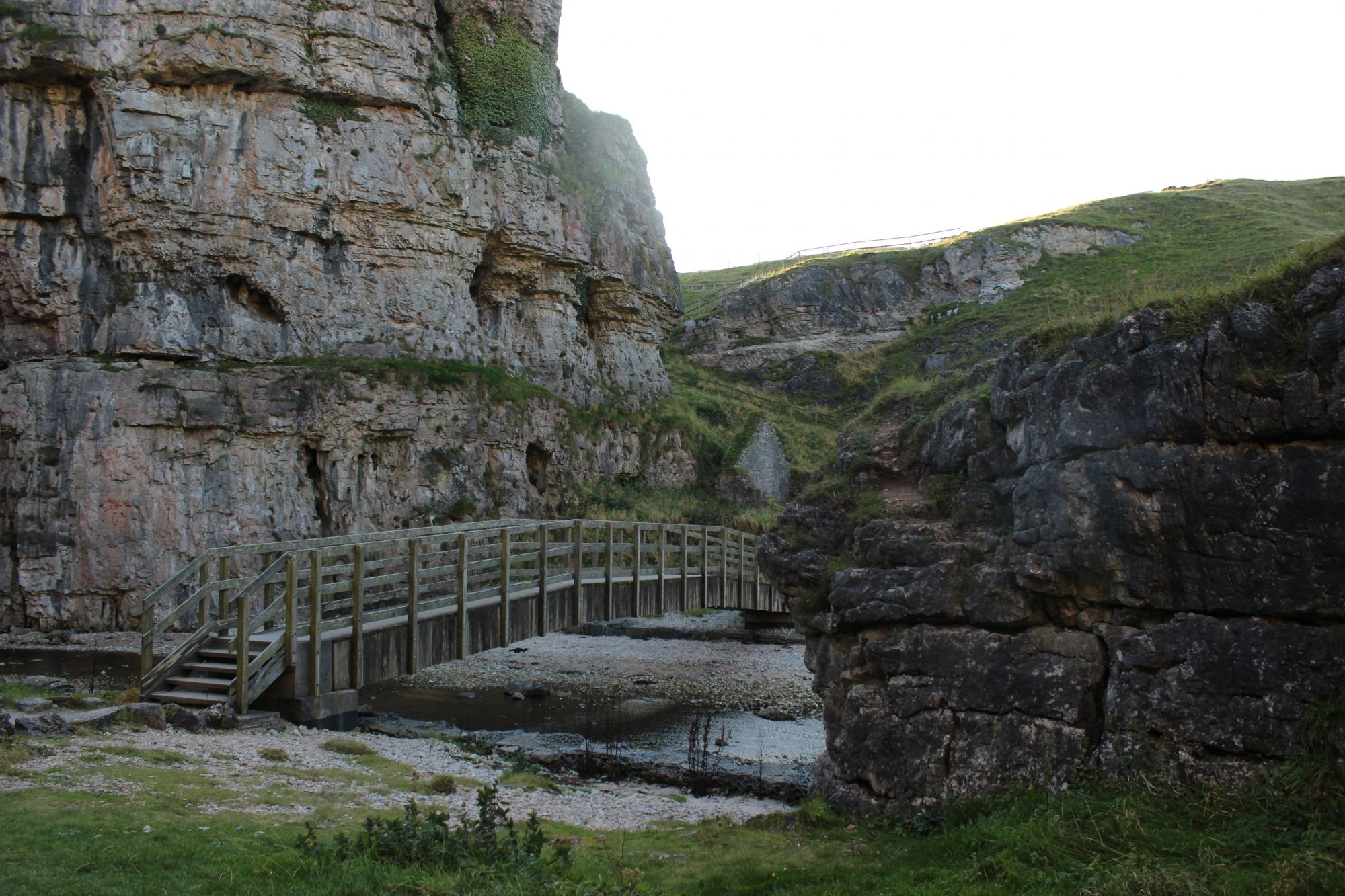
- Physical Accessibility: The transition from the clifftop car park to the cave floor is defined by a steep, multi-flight staircase. It requires reliable, non-slip footwear and offers a significant physical challenge on the return ascent.
Cinematography, Audio, and Technical Production Integration
For independent filmmakers and digital content creators, Smoo Cave presents a high-stakes, low-light environment that demands technical precision:
- High-Humidity Cinematography: The cave is a high-moisture, high-drip environment. Equipment must be weather-sealed or protected by professional silicon-coated rain covers. In the inner chambers, constant dripping makes "atmospheric" shots prone to light refraction and sensor artifacts; ensure lens elements are treated with anti-fog solutions.
- Low-Light Aperture Mastery: The contrast between the brilliant outer light and the pitch-black inner chambers is extreme. Pair wide-aperture primes ($f/1.4$ to $f/2.0$) with low-noise sensors to capture the textures of the limestone without losing depth in the shadows. Using a variable ND filter is helpful even in the outer chamber to keep shutter speeds synced when transitioning from the bright exterior to the shadowed interior portals.
- Acoustic Mapping: The limestone acoustics are incredibly "live." To record the rich, subterranean roar of the waterfall, place field recorders near the base of the pool, but use a high-density, multi-layered fur windjammer to counter the drafty air currents that circulate through the chambers. Capturing the "silence of the earth" in the third chamber requires a clean noise floor, free from the chatter of other tour groups.