


Fingal’s Cave: The Echoing Cathedral of the Isle of Staffa
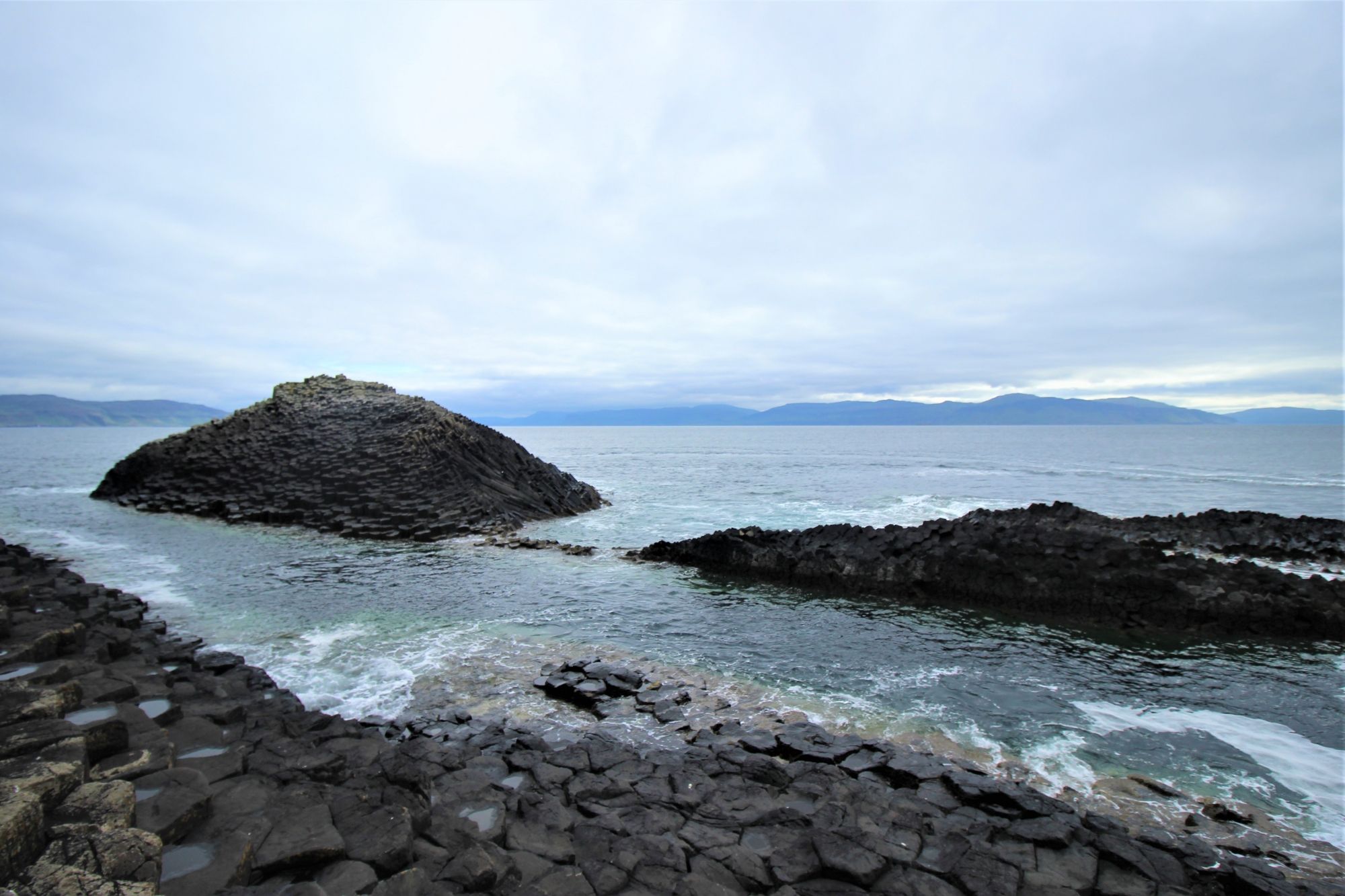
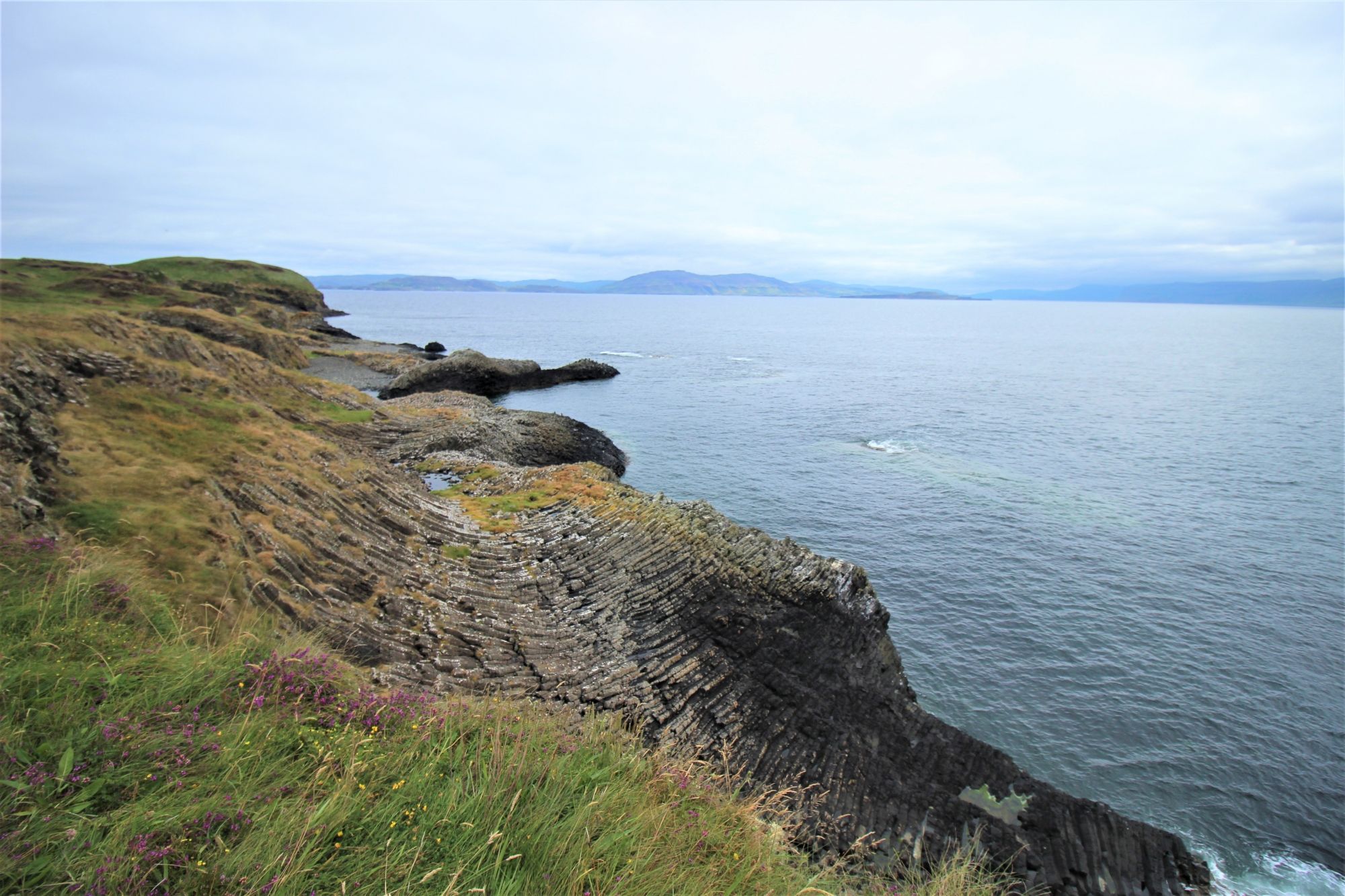
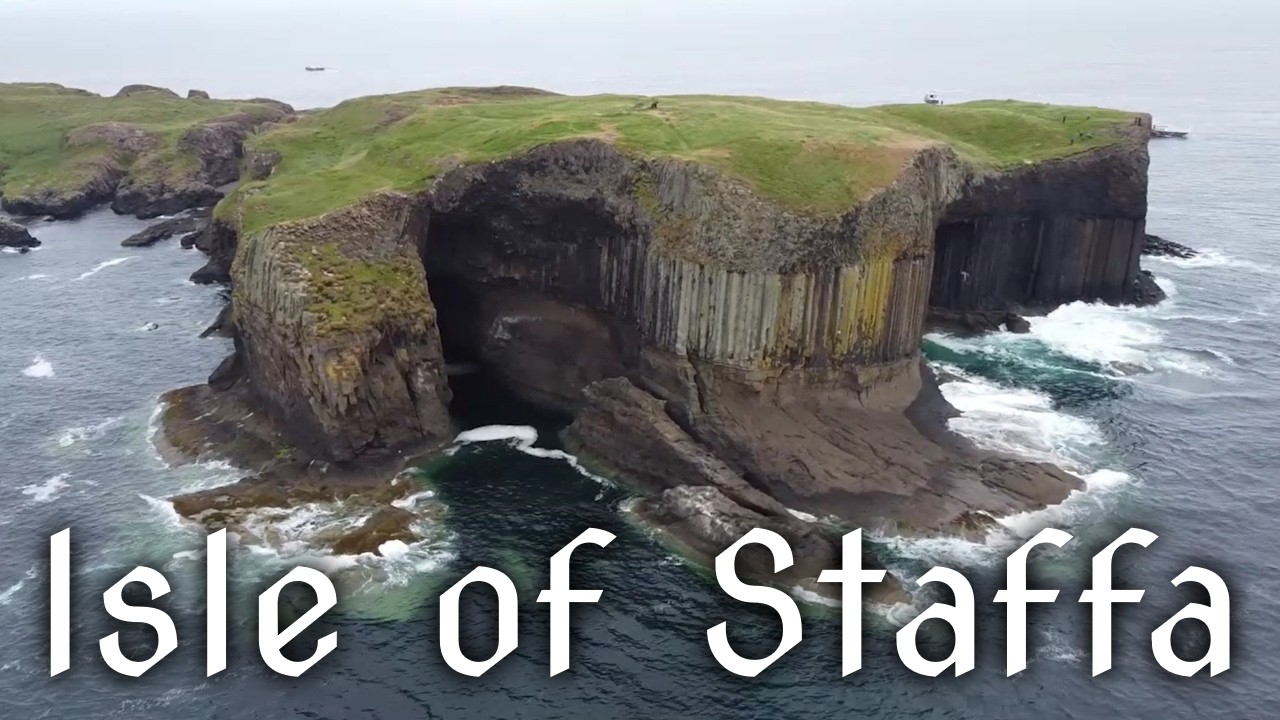
Rising dramatically from the crashing swells of the Atlantic Ocean, the uninhabited Isle of Staffa stands as one of the most otherworldly and geometrically astonishing islands in the Inner Hebrides. Located just off the western coast of the Isle of Mull, this tiny volcanic outlier looks less like a natural island and more like a deliberate, alien monument carved by a master architect. Staffa is defined entirely by its towering, interlocking hexagonal basalt columns—a breathtaking geological marvel that shares its origin with the famous Giant’s Causeway in Northern Ireland. While the island is small enough to explore in a single afternoon, it packs an immense punch for travelers, offering a sublime combination of world-class geology, ancient Celtic mythology, and exceptionally intimate wildlife encounters.
The Legend of Fingal and the Giant’s Bridge
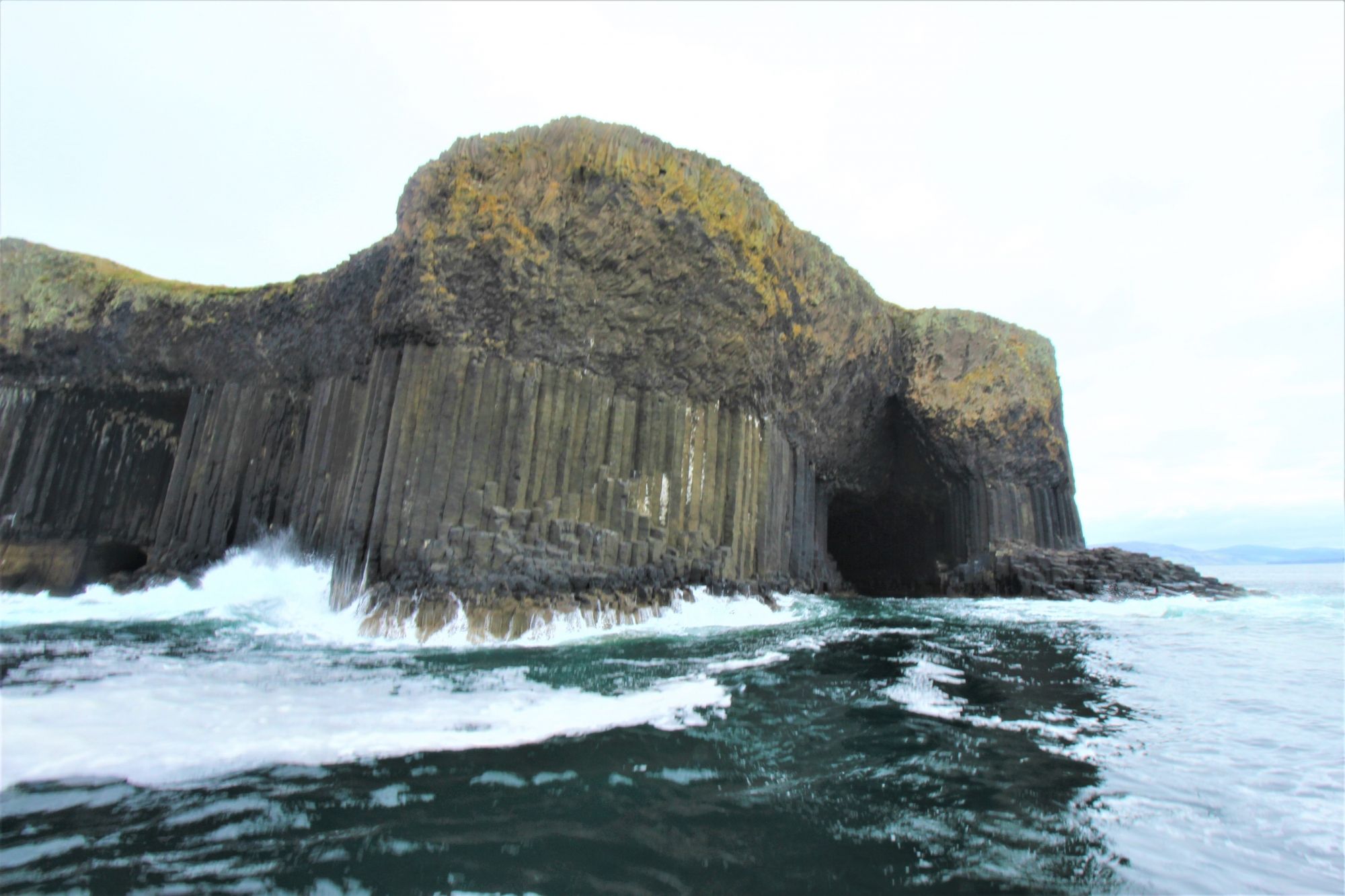
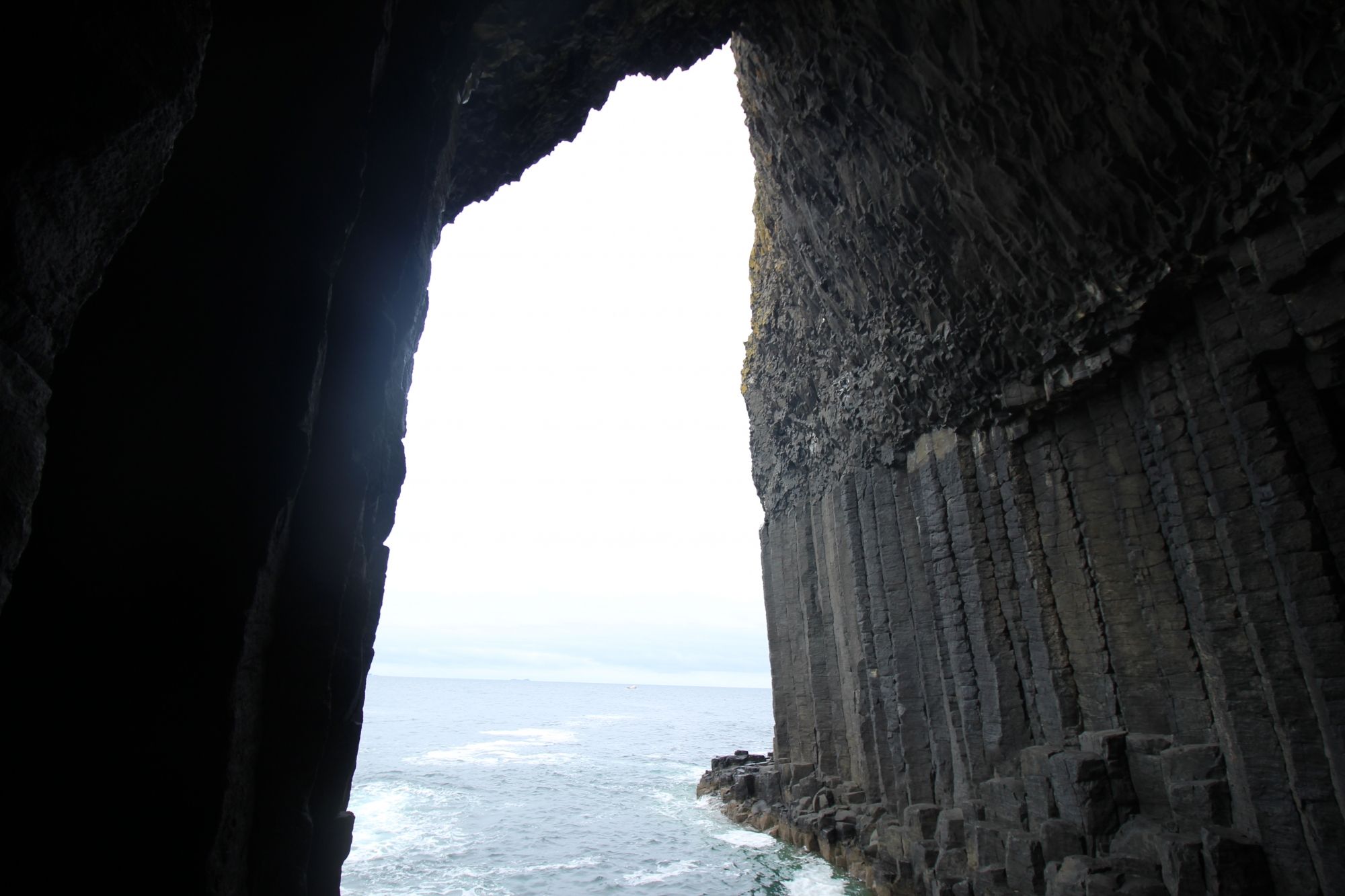
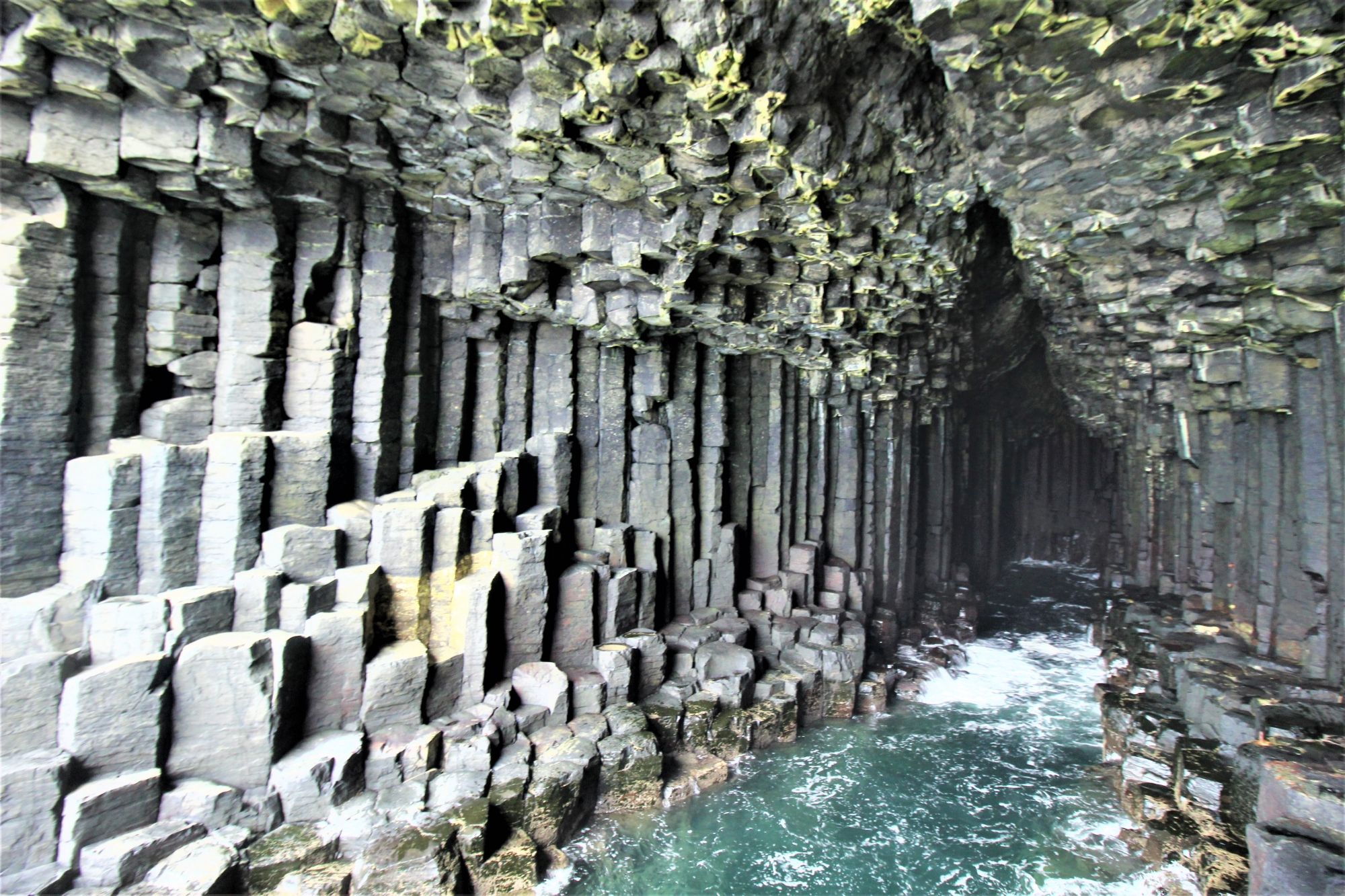
The crown jewel of Staffa is Fingal’s Cave, a colossal, arched sea cave formed entirely within towering volcanic pillars. For centuries, this breathtaking chasm has been deeply intertwined with the ancient Gaelic legend of the Irish warrior-giant Fionn mac Cumhaill (Finn McCool).
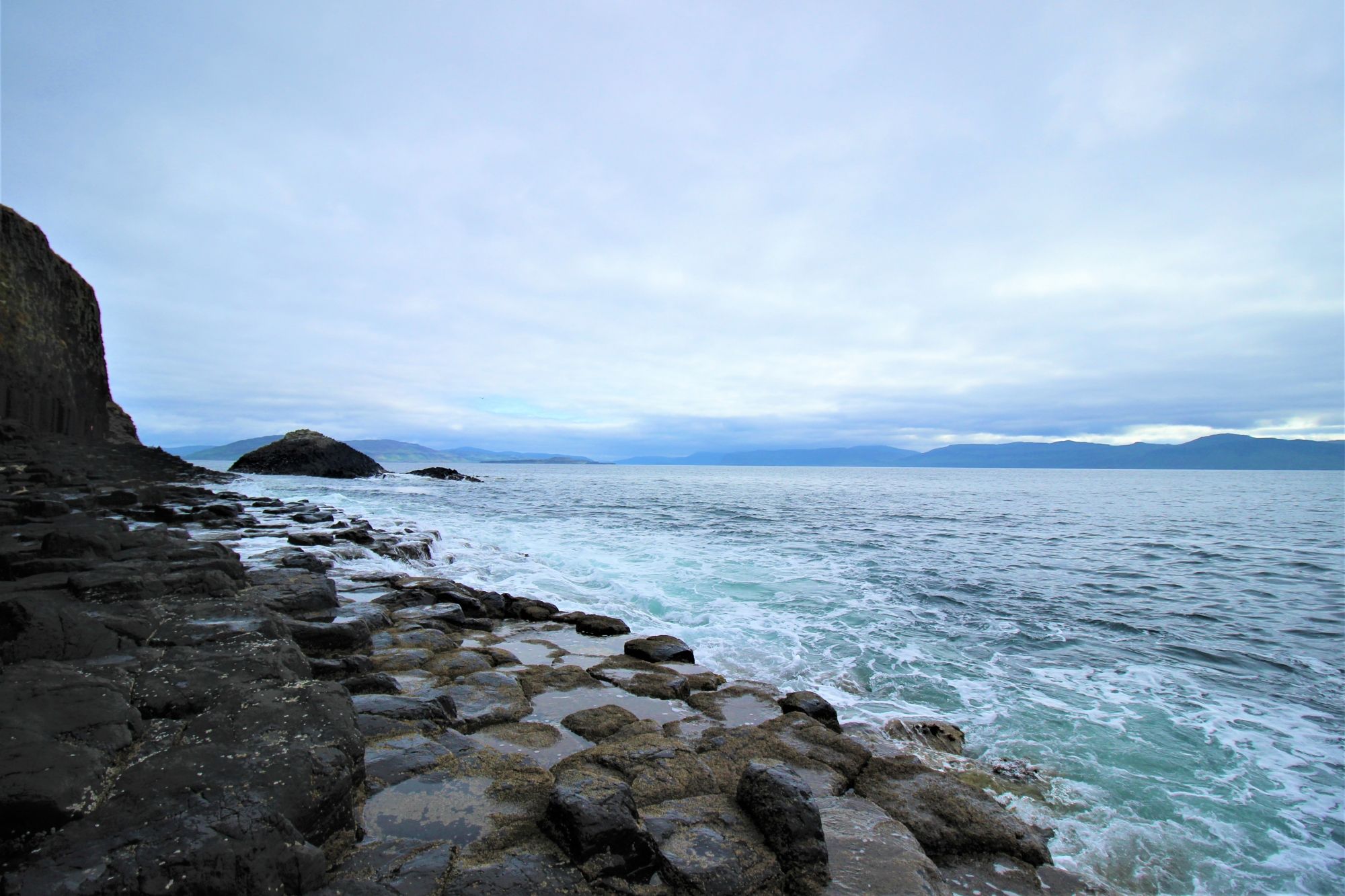
According to folklore, Fionn constructed a massive stone bridge across the sea between Ireland and Scotland so he could confront his fierce rival, the Scottish giant Benandonner. When the monumental bridge was eventually torn down during their epic confrontation, the two extreme ends remained standing: the Giant’s Causeway in County Antrim and Fingal’s Cave on Staffa. Fascinatingly, modern geological science perfectly aligns with this ancient mythology. Both sites were forged by the exact same subterranean lava flow during a period of intense volcanic activity roughly 60 million years ago. Standing at the mouth of the cavern and watching the Atlantic waves break over the precise, hexagonal stone steps, it is easy to see why ancient travelers could only explain such flawless geometry as the work of giants.
A Natural Cathedral: The Music of the Cave
In Scottish Gaelic, Fingal’s Cave is known as An Uamh Binn, which beautifully translates to "The Melodious Cave." Thanks to its immense arched roof and the uniform, pipe-like structure of the surrounding basalt columns, the cave possesses flawless, natural acoustics resembling a vast gothic cathedral. The deep, echoing boom of the ocean swell hitting the back wall of the chasm creates a rhythmic, orchestral percussion that has captivated artists for centuries.
During a historic voyage in 1829, the German composer Felix Mendelssohn was so deeply moved by the eerie, echoing music of the cave that he jotted down its opening theme on the spot, later expanding it into his celebrated masterwork, the Hebrides Overture. Following Mendelssohn’s artistic pilgrimage, a wave of illustrious Victorian figures made the treacherous journey across the sea to experience this "Cathedral of the Sea," including Queen Victoria, Sir Walter Scott, J.M.W. Turner, and the legendary science fiction author Jules Verne.
The "Puffin Therapy" of Staffa’s High Cliffs
While the thundering sea cave is the primary draw for many history and geology buffs, the absolute highlight for animal lovers lies atop the island's grassy plateau. During the summer breeding season (typically running from late April to early August), Staffa becomes home to a vibrant, bustling colony of Atlantic Puffins.
Unlike many remote bird colonies where the wildlife is incredibly skittish, the puffins of Staffa are famously relaxed and curious around humans. Visitors who sit quietly on the clifftops will often experience what travelers affectionately call "puffin therapy"—as these brightly colored, charismatic "clowns of the sea" land just a few feet away, their vibrant orange beaks overflowing with sand eels as they waddle back to their burrows. Beyond the magical puffin encounters, the island and its surrounding waters are teeming with life:
- Shags and Fulmars: Nesting precariously on the narrow stone ledges of the basalt pillars.
- Grey Seals: Frequently spotted sunbathing on the low, flat rock shelves near the main island landing point.
- Marine Life: Keep a sharp eye out during the boat crossing, as minke whales, basking sharks, porpoises, and playful pods of dolphins are regularly sighted in these rich waters.
The Cruise Experience and Essential Logistics
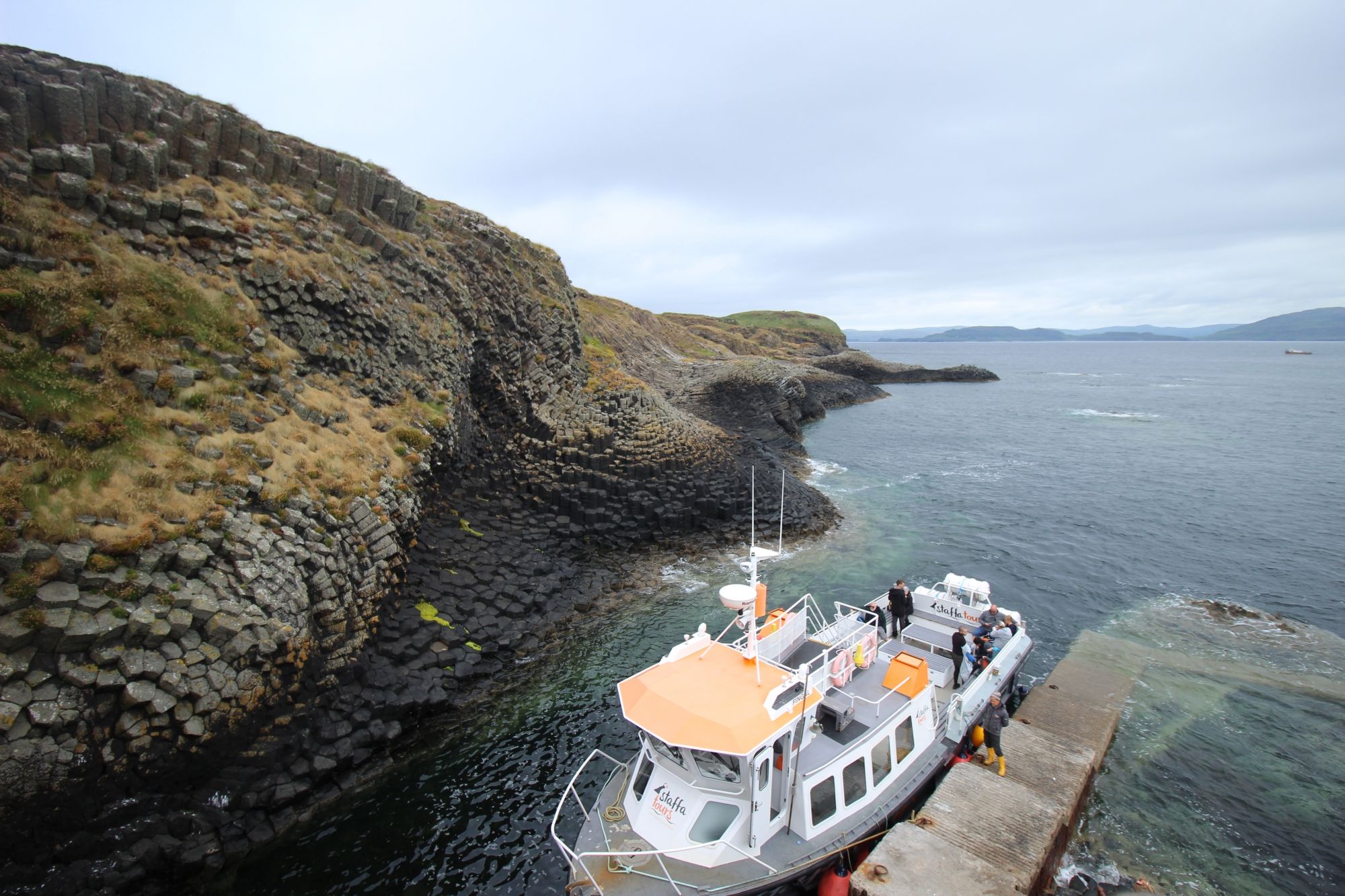
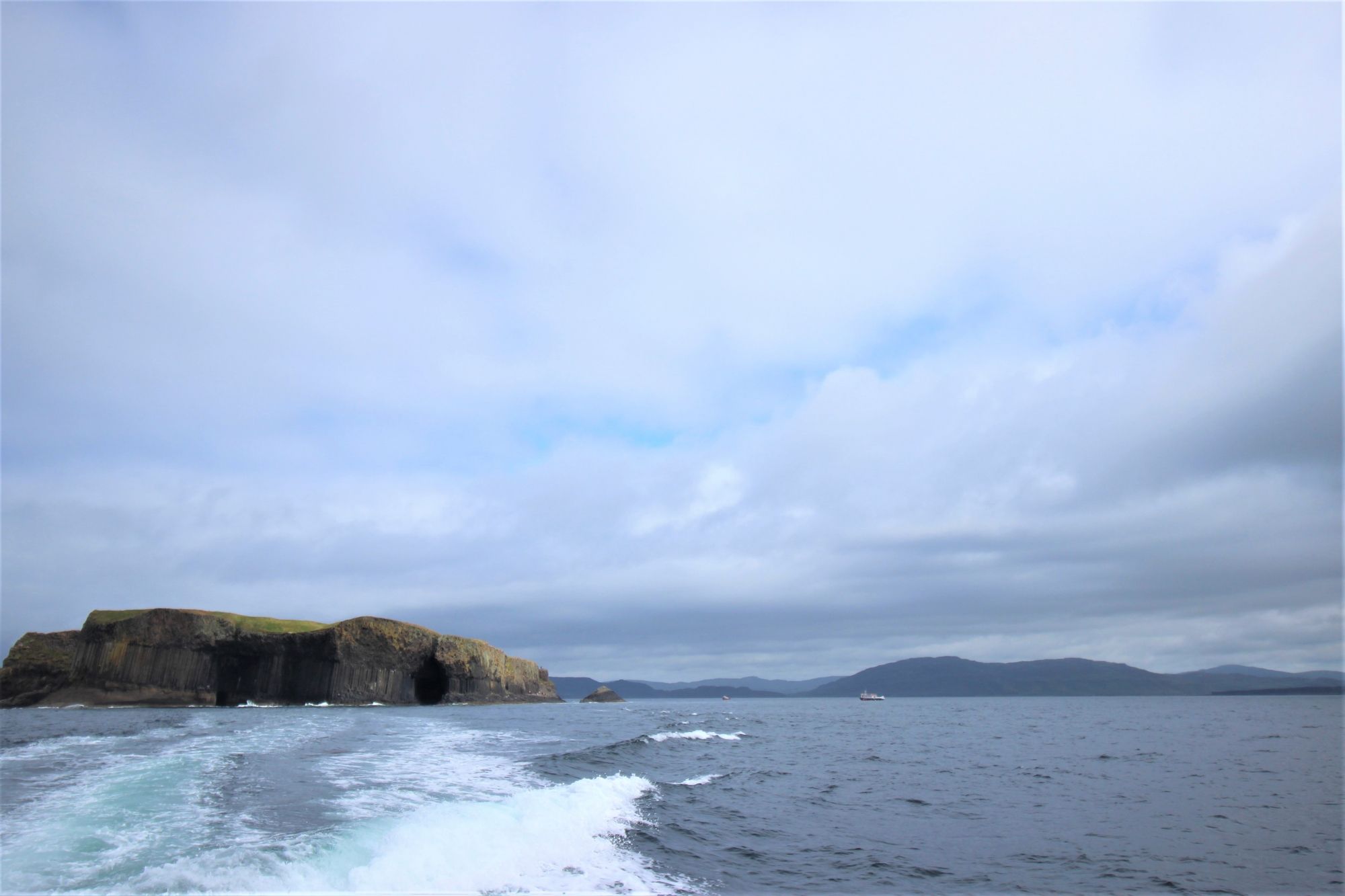
Reaching Staffa is an unforgettable nautical adventure. Most travelers embark on coastal cruise boats departing from Fionnphort on the Isle of Mull or from the sacred Isle of Iona. As your vessel approaches the towering cliffs, the skipper will typically slow down directly in front of Fingal’s Cave, allowing passengers to take in the striking perspective from the water. From this vantage point, you can appreciate the vertical, log-like configuration of the basalt, which inspired early Norse explorers to name the island Staffa-øy (Staff or Stave Island).
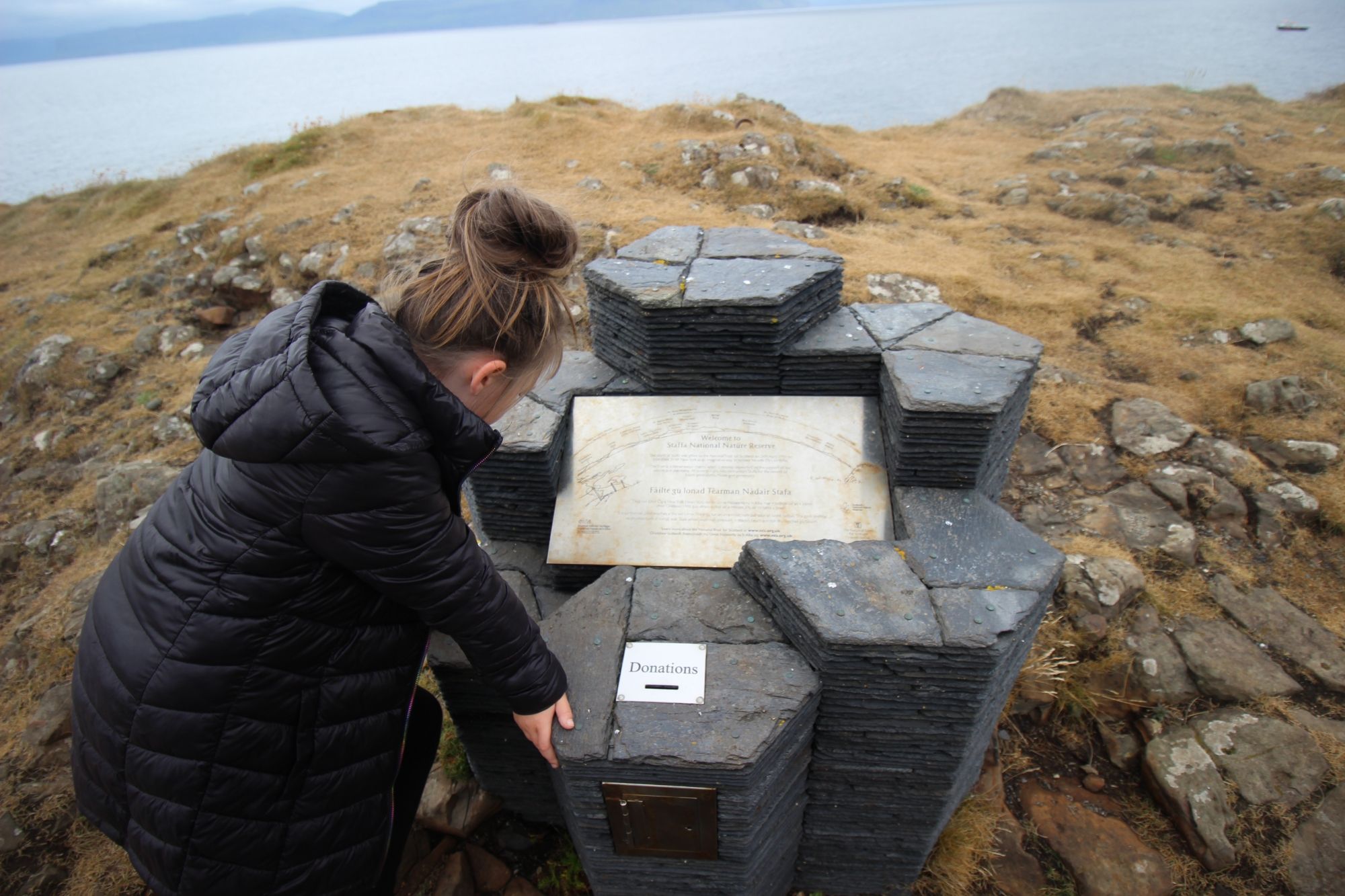
Once the boat docks at the small, metal landing pier, visitors generally have around an hour of shore time. A wise strategy is to split your excursion: spend 20 minutes walking the lower basalt pavement to the cave, and 40 minutes on the grassy summit with the puffins.
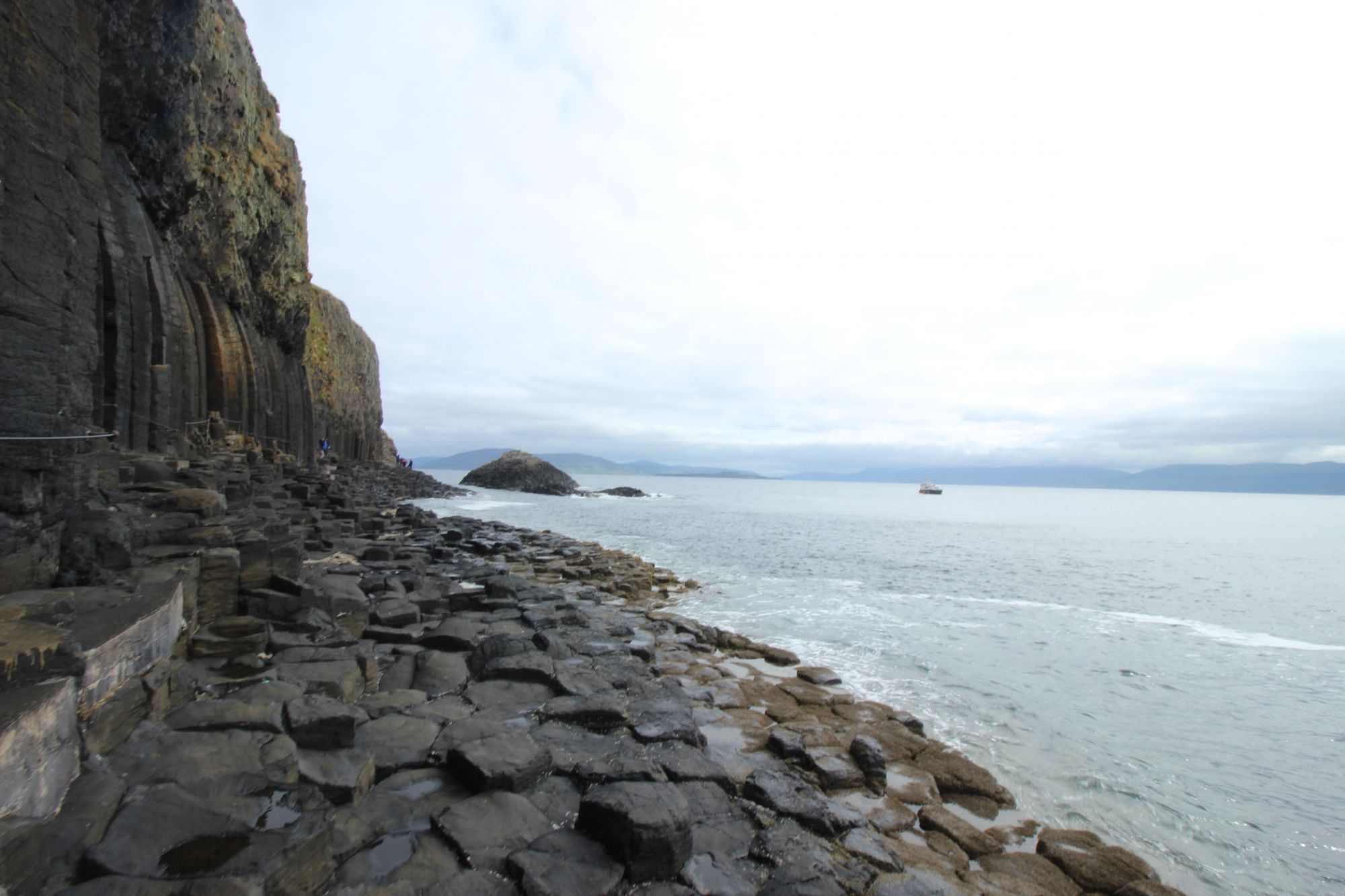
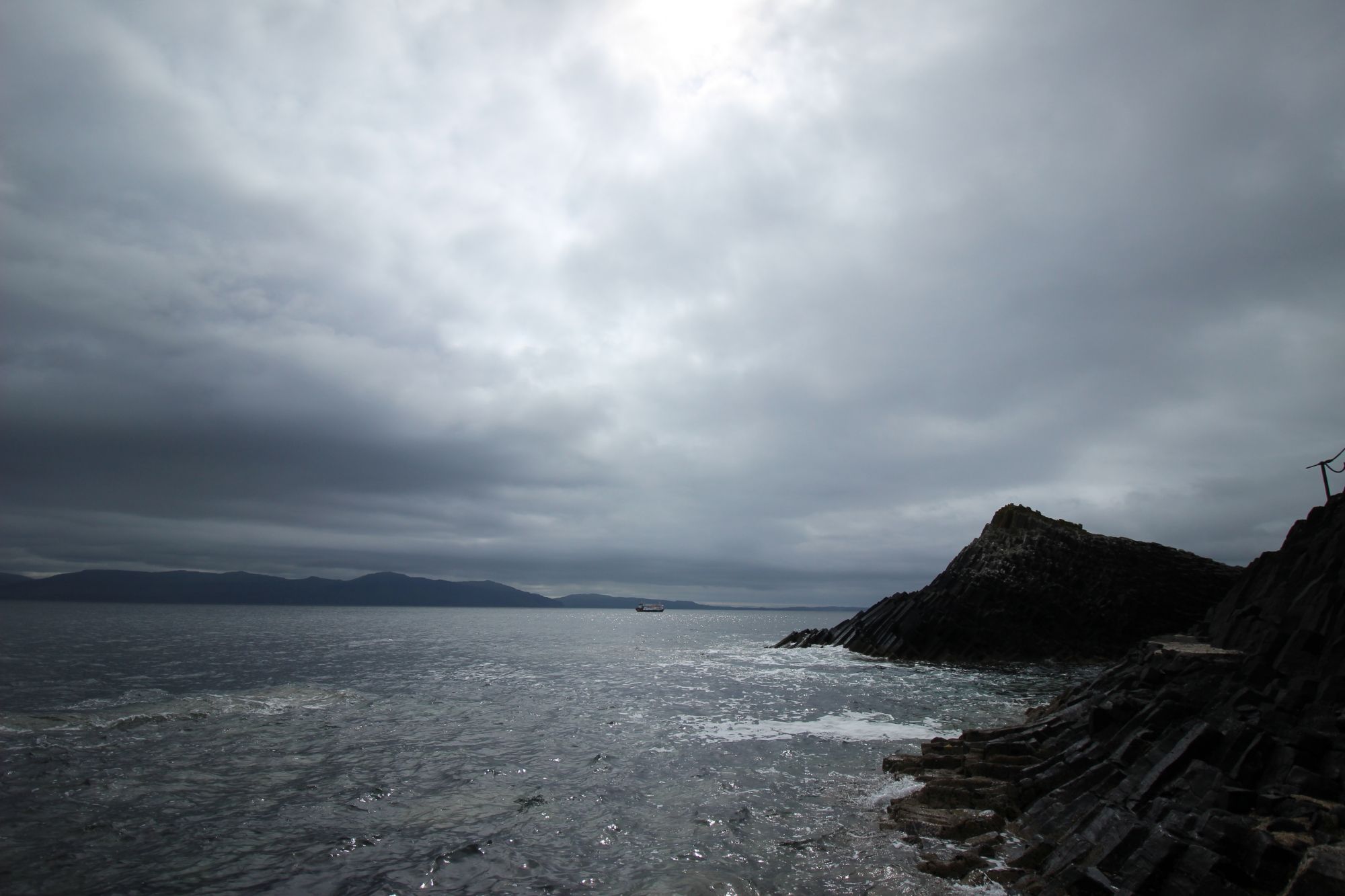
Navigating the Basalt Walk: To enter Fingal's Cave on foot, you must walk along a natural pathway formed by the tops of fractured basalt columns. While a sturdy handrail is anchored into the rock face for safety, these hexagonal stones can be highly uneven, damp, and slick from sea spray. Wearing high-traction, sturdy footwear is essential.
Swell and Atlantic Weather: Staffa is completely exposed to the open Atlantic ocean. Even on a beautifully sunny summer day, a high underwater swell can make docking at the pier unsafe. Always check in with your cruise operator on the morning of departure for real-time weather updates.
Photography Gear: Bring a wide-angle lens to fully capture the vast, geometric interior of the cave, and a telephoto zoom lens for wildlife. However, because the puffins are so naturally bold, you can easily capture spectacular close-ups using a modern smartphone.
Conclusion: An Unmissable Hebridean Masterpiece
Fingal’s Cave and the Isle of Staffa represent the ultimate convergence of natural art, rich history, and wild Scottish biodiversity. From the swaying waddle of the puffins on the cliffs to the echoing, cathedral-like rumble of the sea within the basalt columns, it is an island that stimulates every single sense. Whether you are a classical music enthusiast following in the footsteps of Mendelssohn, a photographer chasing perfect geometric landscapes, or a traveler exploring the highlights of the west coast, standing inside this volcanic marvel is a transcendent experience that will stay with you forever.