


The Guardian of the Shingle Spit: The Maritime Heritage of Lochranza Castle
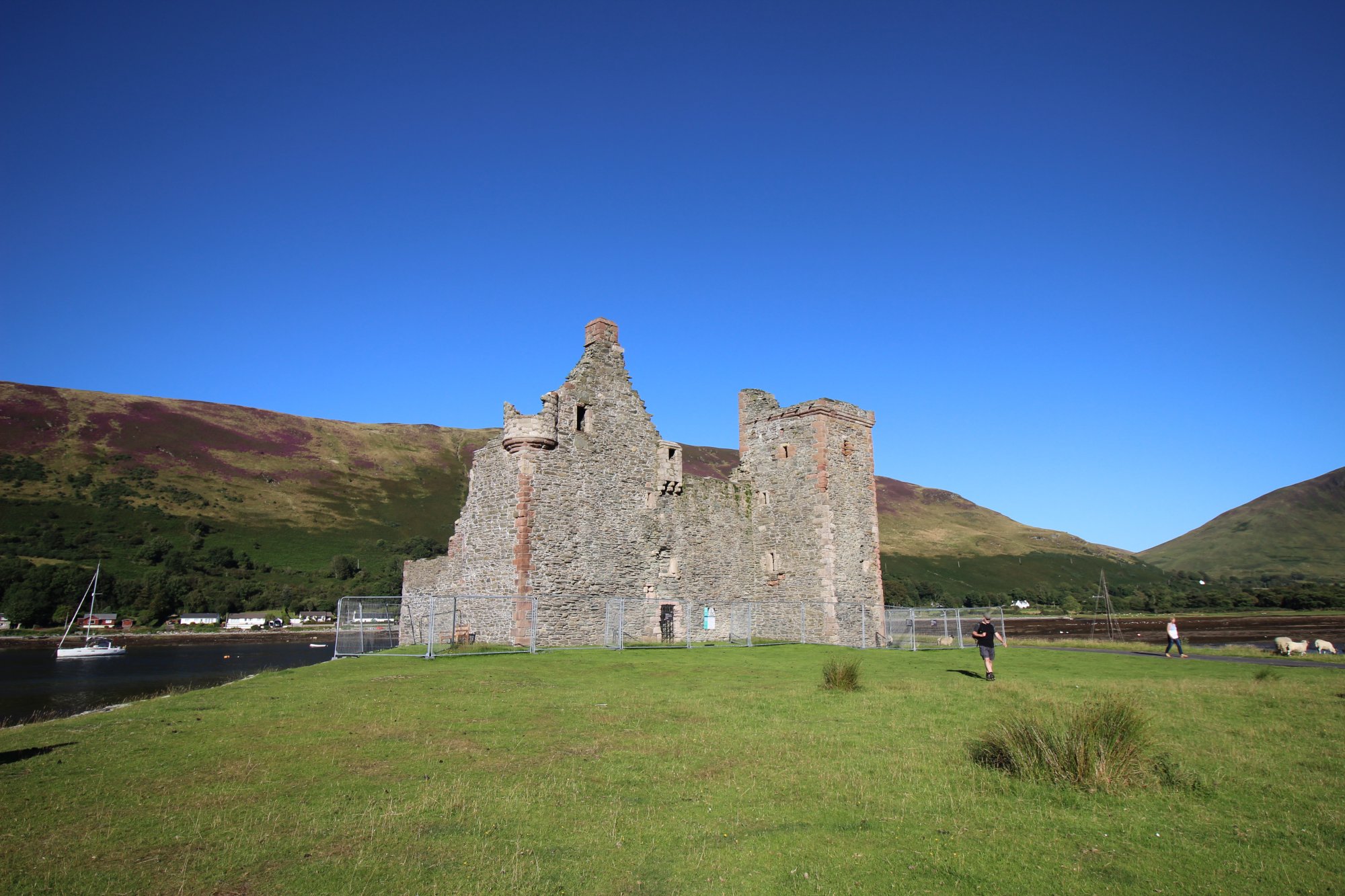
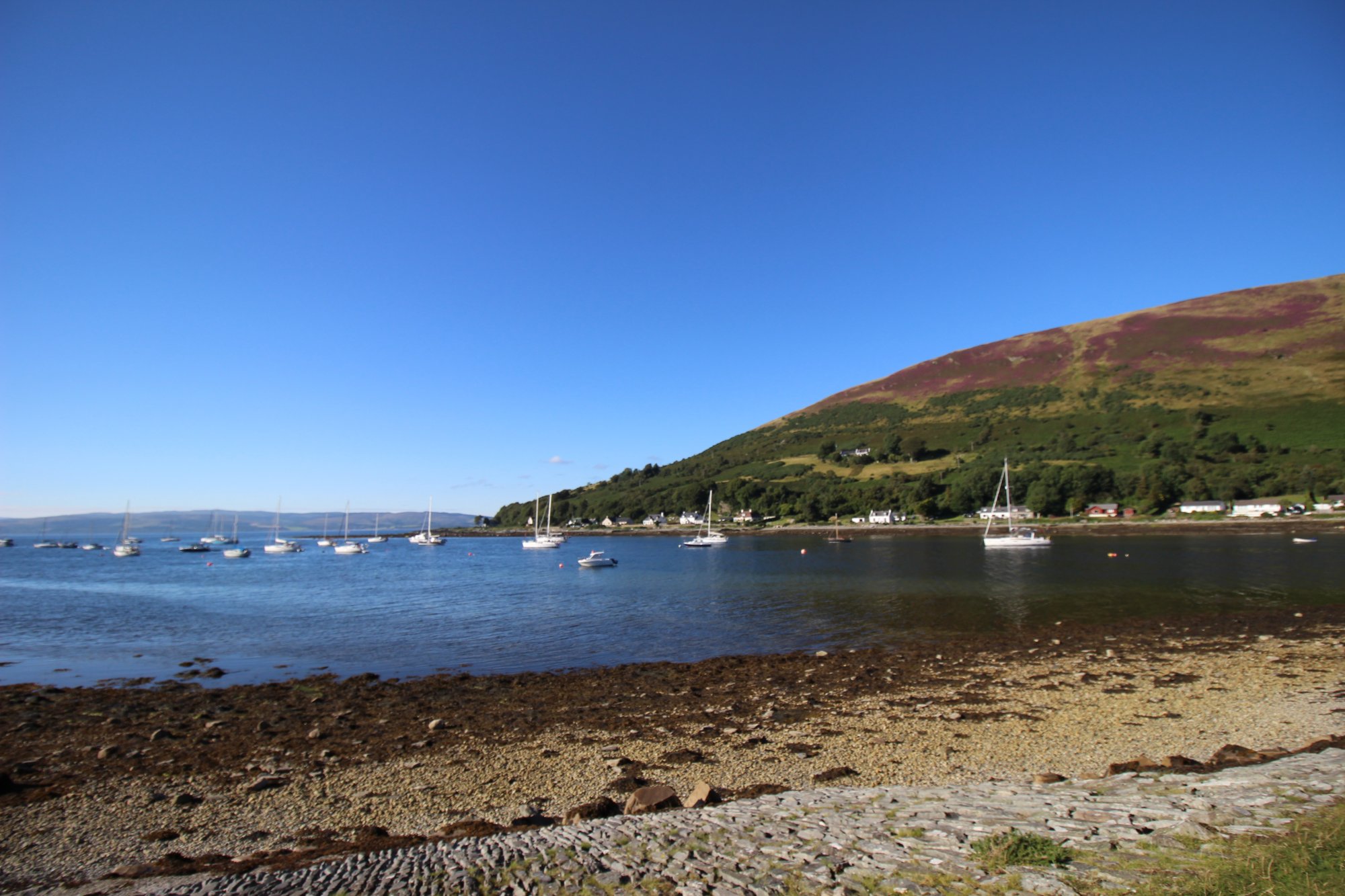
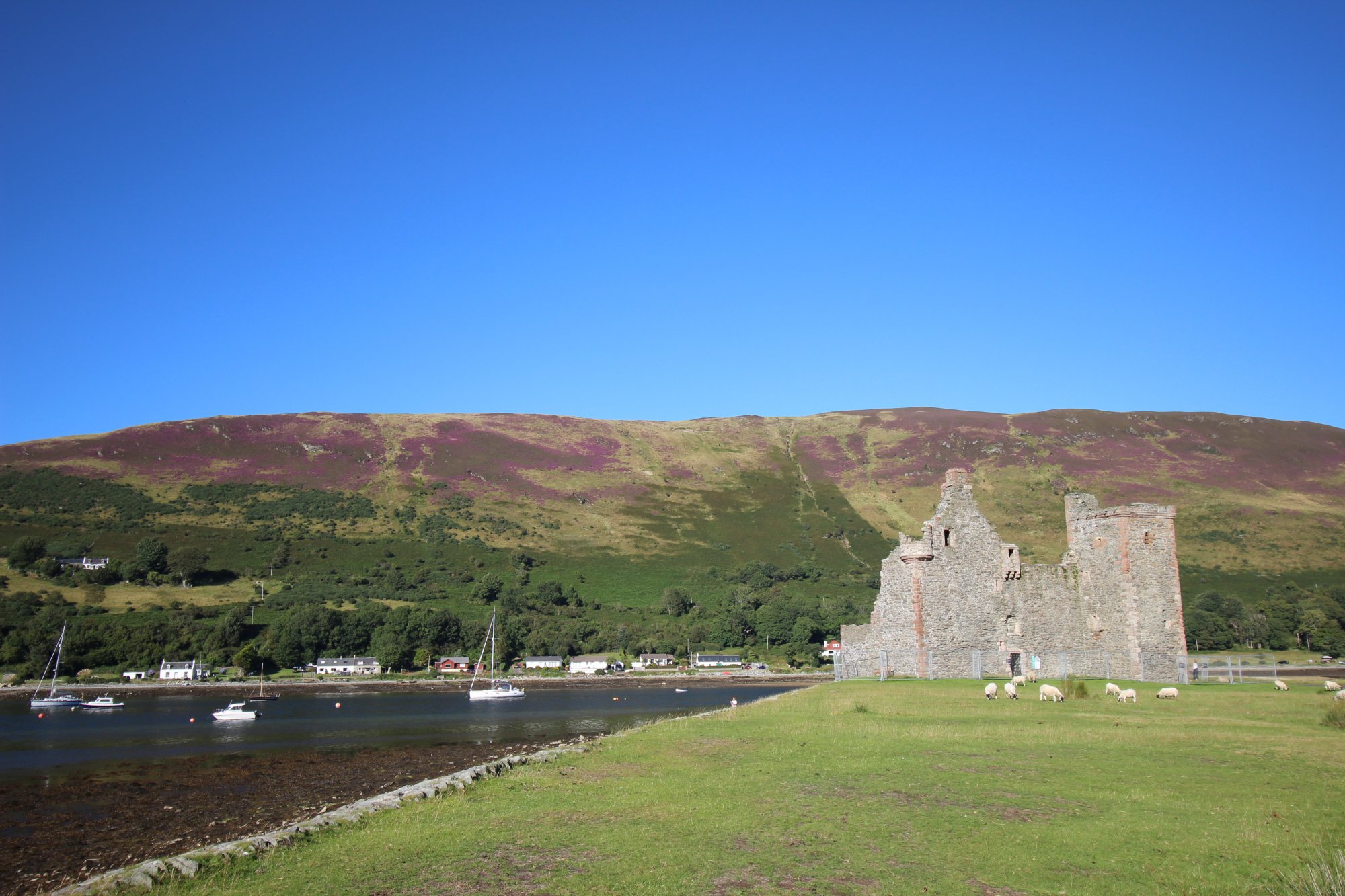
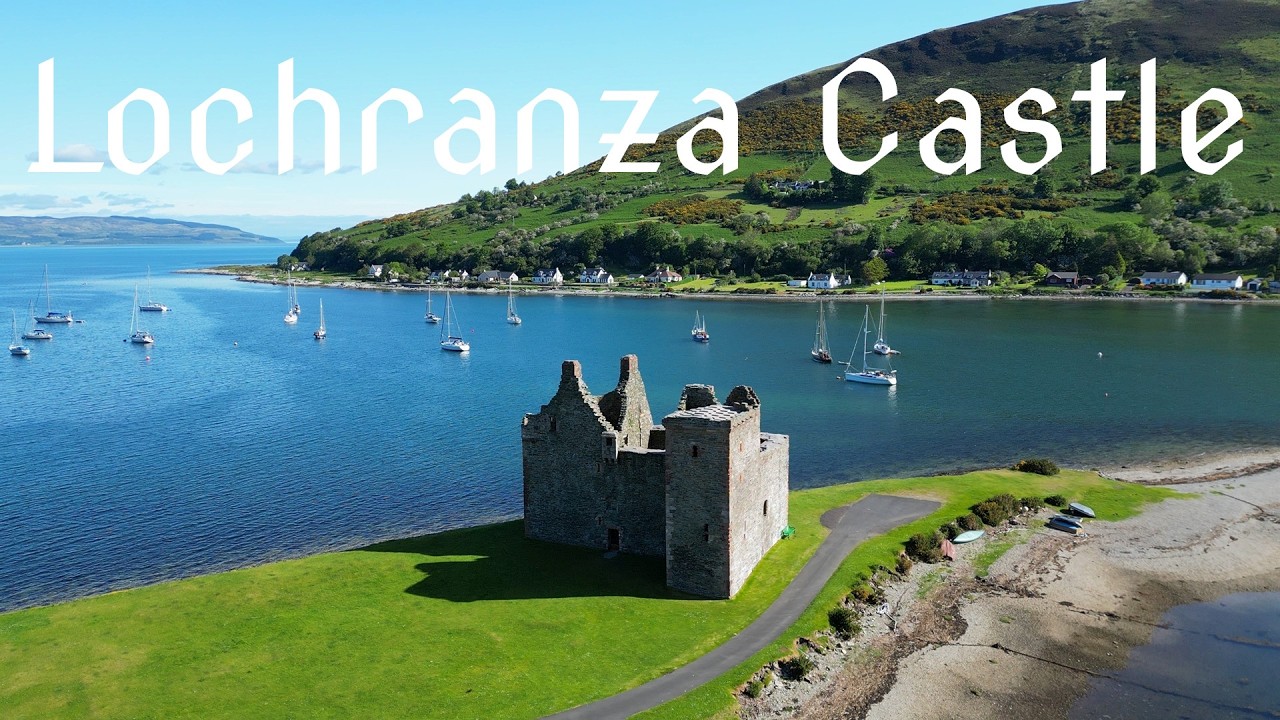
Guarding the tranquil, horseshoe-shaped bay on the northernmost tip of the Isle of Arran stands Lochranza Castle. Unlike many Scottish fortresses built high on steep, jagged volcanic crags, this atmospheric ruin occupies a low, narrow peninsula of shingle and turf that reaches directly out into the sea loch. Despite its relatively compact footprint, the castle presents a striking, defensive silhouette against the water. Framed by the whitewashed cottages of the idyllic Lochranza village and backed by the dramatic, jagged ridges of the northern Arran mountains, it is a mandatory stopping point for anyone exploring the "Scotland in Miniature."
From Medieval Hall-House to Royal Hunting Lodge
The stones of Lochranza hide a complex, multi-layered architectural evolution. The earliest foundations date back to the mid-13th century, likely built by MacSween MacSween as a rare, medieval hall-house. This early structure was strategically placed to monitor the vital shipping lanes of the Kilbrannan Sound and the Firth of Clyde. In 1306, king Robert the Bruce reportedly stepped ashore at Lochranza upon his historic return from Ireland to claim the Scottish throne.
By the late 14th century, the property had passed into the hands of the Stewart kings, and during the 16th century, it underwent a comprehensive rebuilding program. The original hall-house was significantly remodeled and heightened into a formidable, multi-story fortified tower house. It served as a luxurious royal hunting lodge for Scottish monarchs tracking red deer through the deep, mountainous glens of northern Arran. The castle’s military strategic value also came to the forefront during the crown’s campaigns to suppress the powerful Lords of the Isles, before changing hands multiple times during the turbulent civil conflicts of the 17th century. By the 18th century, the castle fell out of use, was abandoned to the elements, and gradually fell into disrepair.
A Scenic Haven for Creative Composition
Today, Lochranza Castle is managed and protected by Historic Environment Scotland. To address structural aging and preserve the stonework for future generations, the building is currently undergoing meticulous safety and conservation assessments. While access directly inside the masonry is temporarily restricted by protective safety fencing, the castle's true magic has always been found in its spectacular, external relationship with the landscape.
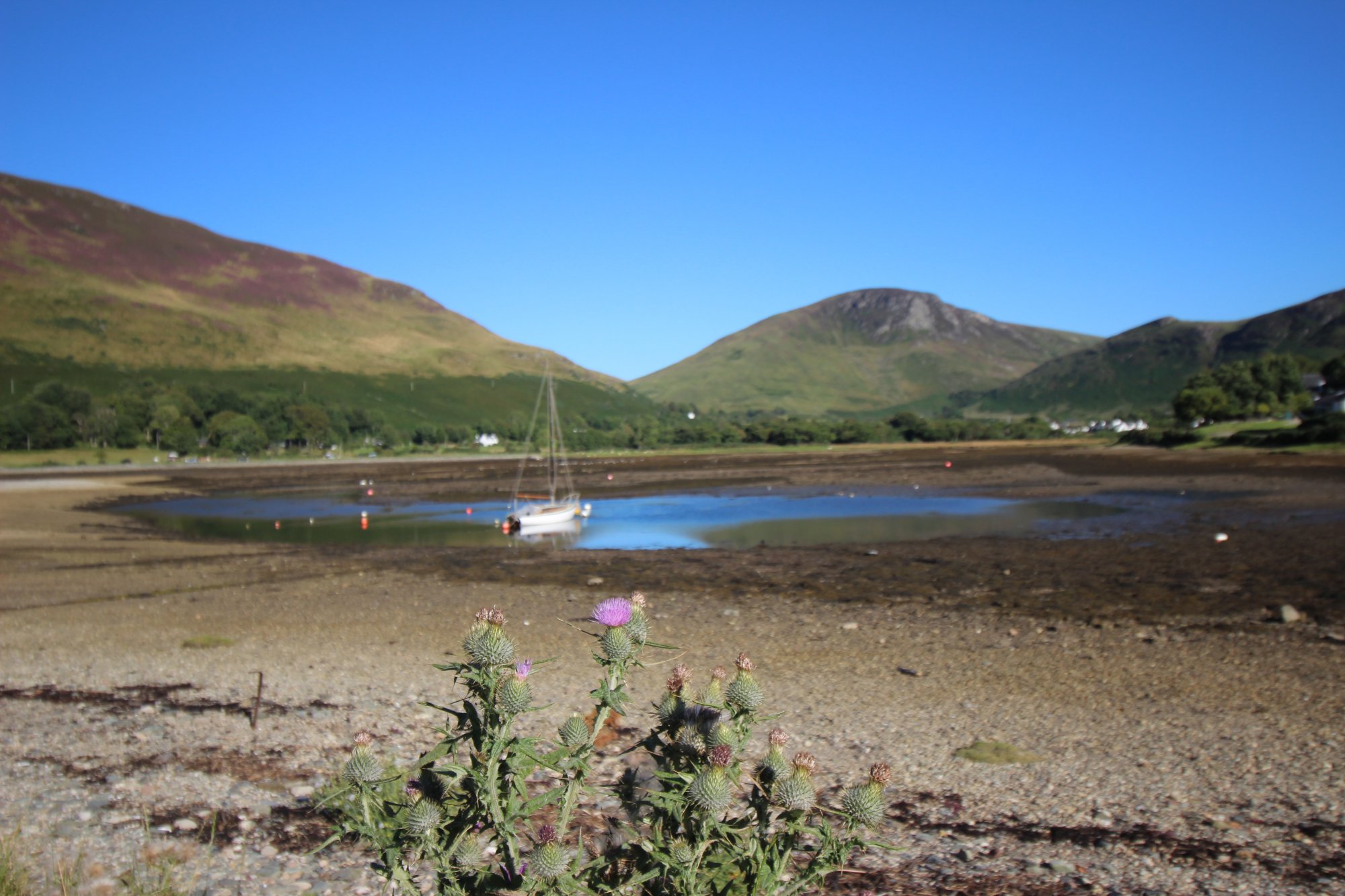
The sheltered natural harbor surrounding the peninsula serves as a popular marina, where yachts and sailboats bob gently on the tide. For videographers, filmmakers, and landscape photographers, this dynamic interplay of ancient, dark stone ruins, modern sailing masts, and the calm, mirror-like reflections in the tidal waters provides an exceptional, cinematic composition. The scene is further elevated by the local wildlife; red deer frequently wander down from the surrounding hillsides to graze on the golf course and marshy grasses just a short distance from the castle walls.
Practical Visitor Information
Getting There: Lochranza Castle is located on the northern coast of Arran, directly alongside the main coastal road (A841). It sits roughly 14 miles north of the main ferry terminal at Brodick and is just a short walk from the Lochranza-Claonaig ferry pier, which connects the island to the Kintyre Peninsula.
Parking and Amenity Access: A small, free parking area is situated close to the peninsula. Visitors can enjoy an easy, flat walk along the shingle path leading right up to the castle. The village itself features excellent local amenities, including the nearby Lochranza Distillery and a selection of coastal cafes.
Photography Tips: The castle is a fantastic subject throughout the day, but it truly shines during the high tide. When the water fills the inner basin, the surface becomes calm and sheltered, offering a perfect, glassy reflection of the castle tower. Capturing the warm light of a late afternoon sun hitting the red-tinged stone against a moody, mountainous background creates an unforgettable shot.
Wildlife Watching: Keep a close eye on the shorelines around the peninsula. Harbor seals are a common sight in the bay, frequently resting on the exposed rocks at low tide or swimming curiously close to the historic stone walls.
Conclusion: A Timeless Coastal Sentinel
Lochranza Castle remains a beautiful testament to Arran's vibrant maritime past. By perfectly balancing its rich medieval history with an idyllic, mountain-framed seaside setting, this small tower house captures the romantic essence of Scotland’s islands. As it sits silently amidst the shifting tides, anchored boats, and roaming deer, it stands as an enduring, timeless sentinel watching over the northern seas.