


Castle Stalker: The Picturesque Island Fortress of Appin
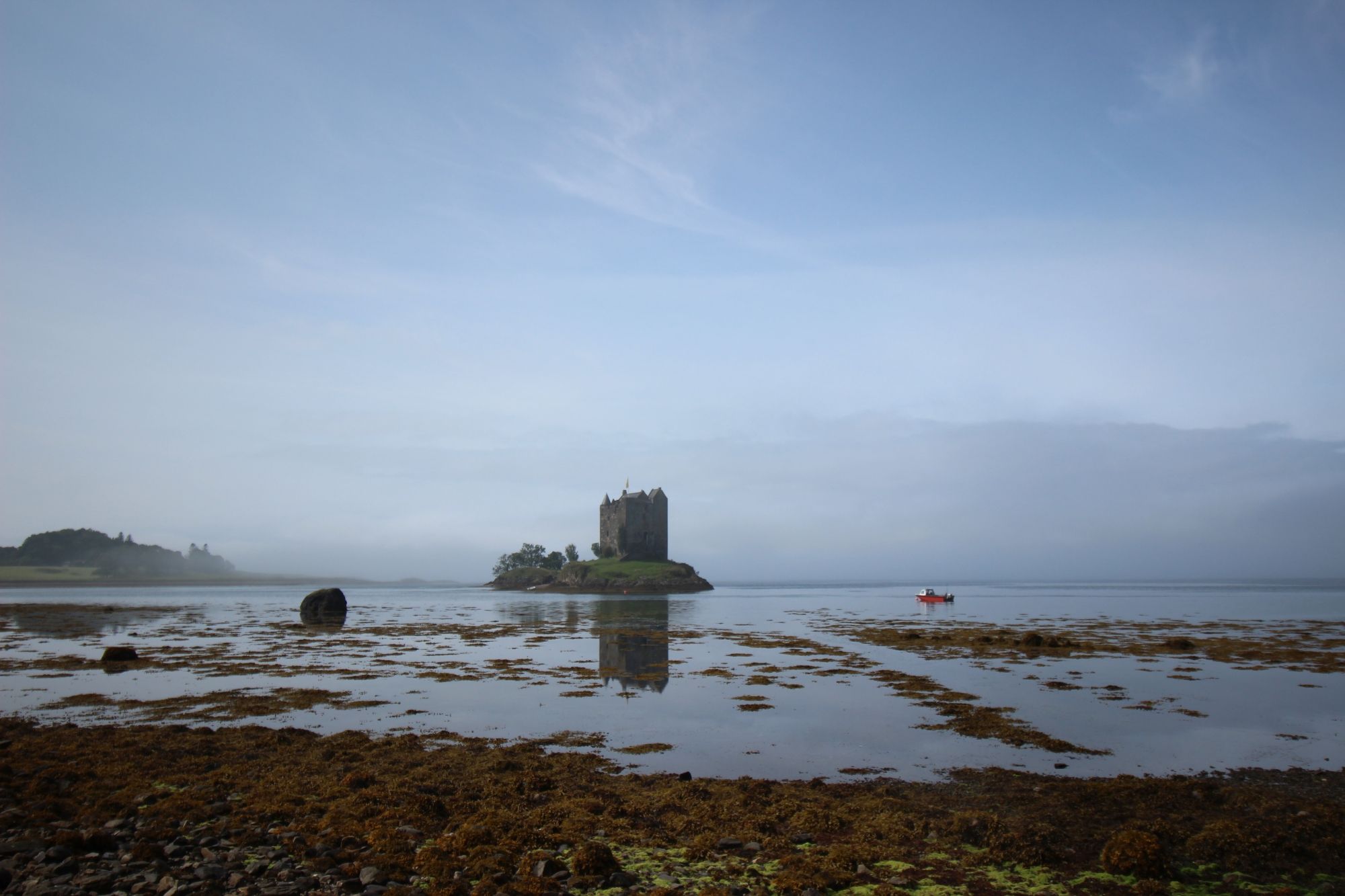
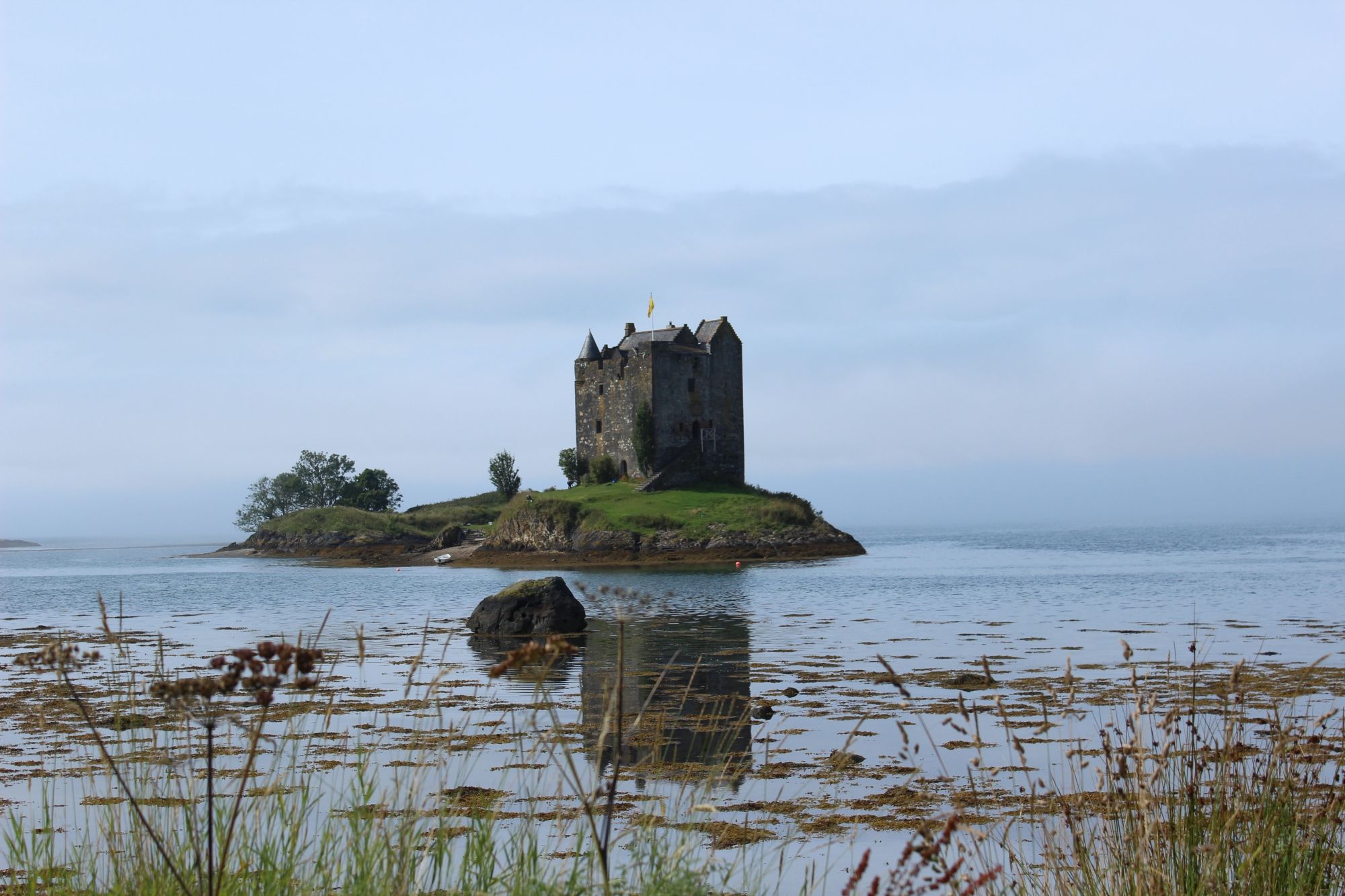
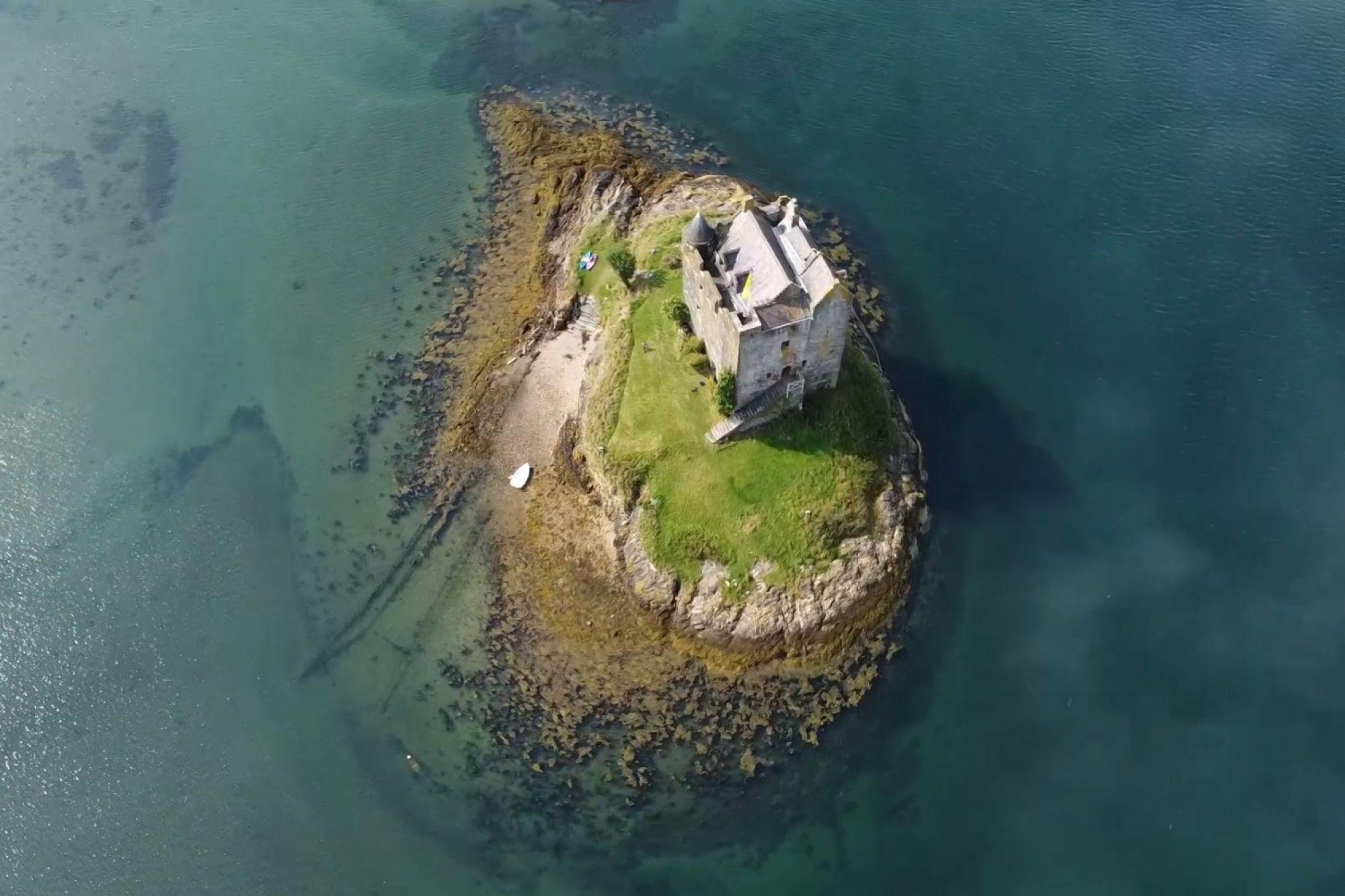
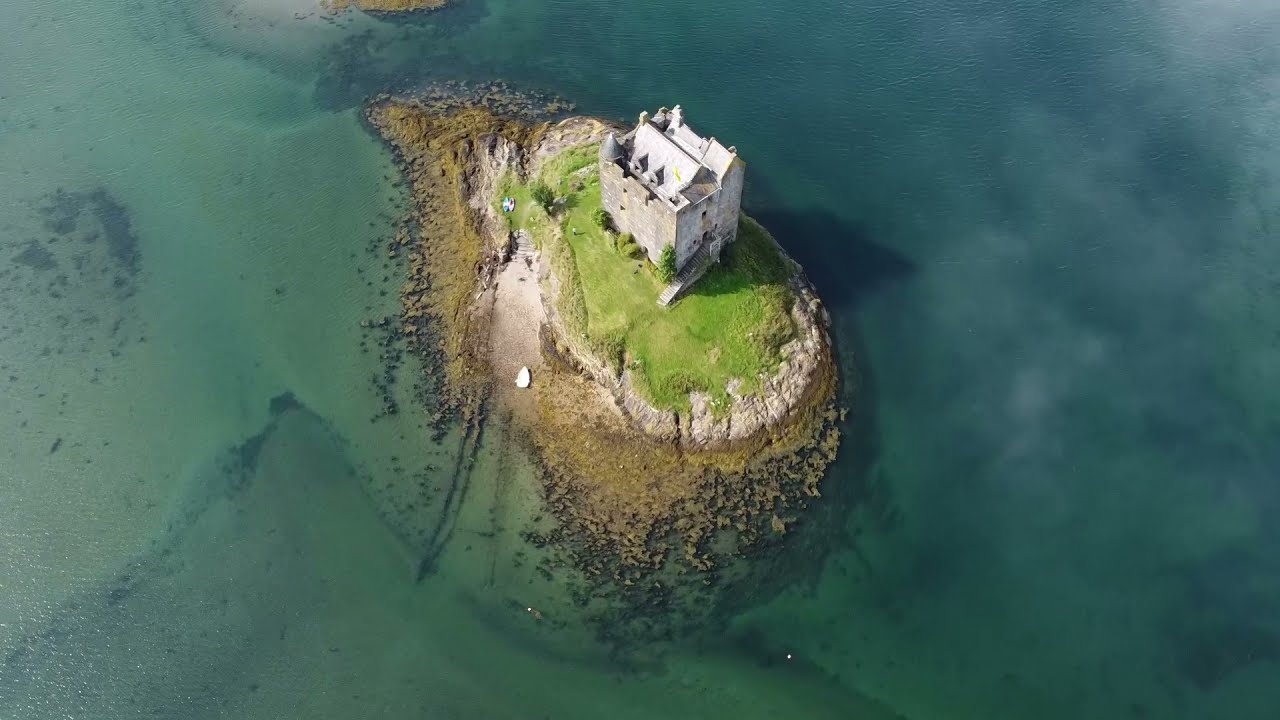
Rising like a stone phantom out of the shifting tides of the West Highlands, Castle Stalker is one of the most visually captivating and profoundly atmospheric medieval monuments in Scotland. This completely authentic four-story tower house, or keep, sits proudly on its own private tidal islet known as Rock of the Cormorants (Eilean an Stalcaire), dramatically guarding the mouth of Loch Laich, an inlet off Loch Linnhe near Appin. Its postcard-perfect location makes it an absolute visual icon of the country, yet behind its serene, water-locked facade lies a dark and tumultuous history. Built originally in the 14th century, the castle's ancient stone walls are deeply mired in centuries of bloody clan feuds, cold-blooded murders, shocking betrayals, high-stakes drunken bets, and fierce battles that echo the wild, untamed spirit of the historical Highlands.
The Royal Hunter's Legacy
The castle’s name in Scottish Gaelic is Caisteal an Stalcaire, where the word ‘Stalcaire’ roughly translates directly as ‘hunter’ or ‘falconer’. During the medieval era when Castle Stalker was constructed, the art of falconry and hunting was exceptionally popular among the high nobility, specifically serving as a favorite pastime for the ruling Stuart monarchs. Historians firmly believe that the name Castle Stalker came about directly after King James IV of Scotland, a frequent and enthusiastic visitor to the West Highlands, journeyed to this remote island stronghold specifically to partake in the abundant hunting and ‘stalking’ opportunities across the surrounding hills and forests of Appin. The castle was even extensively fortified and expanded during this period to properly accommodate the prestigious royal hunting parties, cementing its status as a vital stronghold for the Clan Stewart of Appin.
A Cinematic Icon: The Castle of Aaaaarrrrgh!
In modern times, Castle Stalker has achieved massive worldwide fame far beyond the borders of Scotland due to its prominent role in popular culture and cinematic history. Enthusiastic fans of British comedy will instantly recognize the distinctive profile of the island keep from the legendary 1975 film Monty Python and the Holy Grail, where it starred as the mythical, climactic destination known as the ‘Castle of Aaaaarrrrgh!’. It also made a brief, magical appearance in the film Highlander: Endgame. This cinematic heritage adds a wonderful layer of lighthearted charm to the location, making it a beloved pilgrimage site for film lovers who frequently stand on the shoreline to recreate iconic movie scenes against the dramatic backdrop of the Scottish coast.
Visiting in 2026: Practical Information and Access
As a highly popular and beloved tourist attraction, Castle Stalker serves as an absolute highlight destination on any road trip traveling along the scenic coastal route from Oban to Fort William. Although the monument remains strictly privately owned by the Allward family—who have painstakingly restored and maintained the historic fabric of the keep over decades—exclusive, specialized guided tours are operated during the summer months. Because the castle is entirely surrounded by water, these tours are highly dependent on tidal conditions and must be booked well in advance, requiring a short, memorable boat trip from the mainland pier to step onto the island.
For general travelers passing through the area in 2026, the absolute best vantage point to admire and photograph the castle can be found at the dedicated Castle Stalker View café and gift shop located on the hillside above the main A828 road. From this elevated position, visitors can enjoy a hot drink while taking in a breathtaking, sweeping panoramic view of the island fortress, the peaceful waters of Loch Laich, and the distant, dramatic hills of Morvern. Alternatively, a short, flat walk down the old railway path leads directly to the stony shoreline, allowing you to appreciate the sheer scale of the medieval stonework up close from the water's edge.
Safety and Environmental Respect around the Loch
When exploring the shoreline around Castle Stalker, a few important safety protocols and environmental ethics must be observed:
- Beware of Tidal Shifts: While the castle can appear accessible by foot across the mudflats during an exceptionally low tide, attempting to walk out to the island without a professional guide is highly dangerous. The incoming Atlantic tide rushes into Loch Laich with incredible speed, creating a severe risk of becoming completely stranded or trapped by deep channels.
- Respect the Private Property: Because the island and the structure itself are private property, landing kayaks, boats, or drones on the island without explicit, prior permission from the owners is strictly prohibited.
- Protect Marine Wildlife: The surrounding loch and marshes are home to a vibrant array of marine life and nesting coastal birds, including otters and seals. Visitors are urged to keep a respectful distance and leave absolutely no litter behind to ensure this pristine habitat remains entirely unpolluted.
Conclusion: A Timeless Sentinel
Castle Stalker stands as an unforgettable monument to Scotland’s rich, multi-layered heritage. It perfectly bridges the gap between the grim, bloody realities of medieval clan warfare and the whimsical artistry of modern cinema. Watching the sunset cast a rich, golden glow over the weathered gray stone of the keep while the Atlantic tide gently laps against the Rock of the Cormorants is a profoundly moving experience. It is a timeless sentinel that captures the true romance, mystery, and dramatic beauty of the Scottish Highlands.