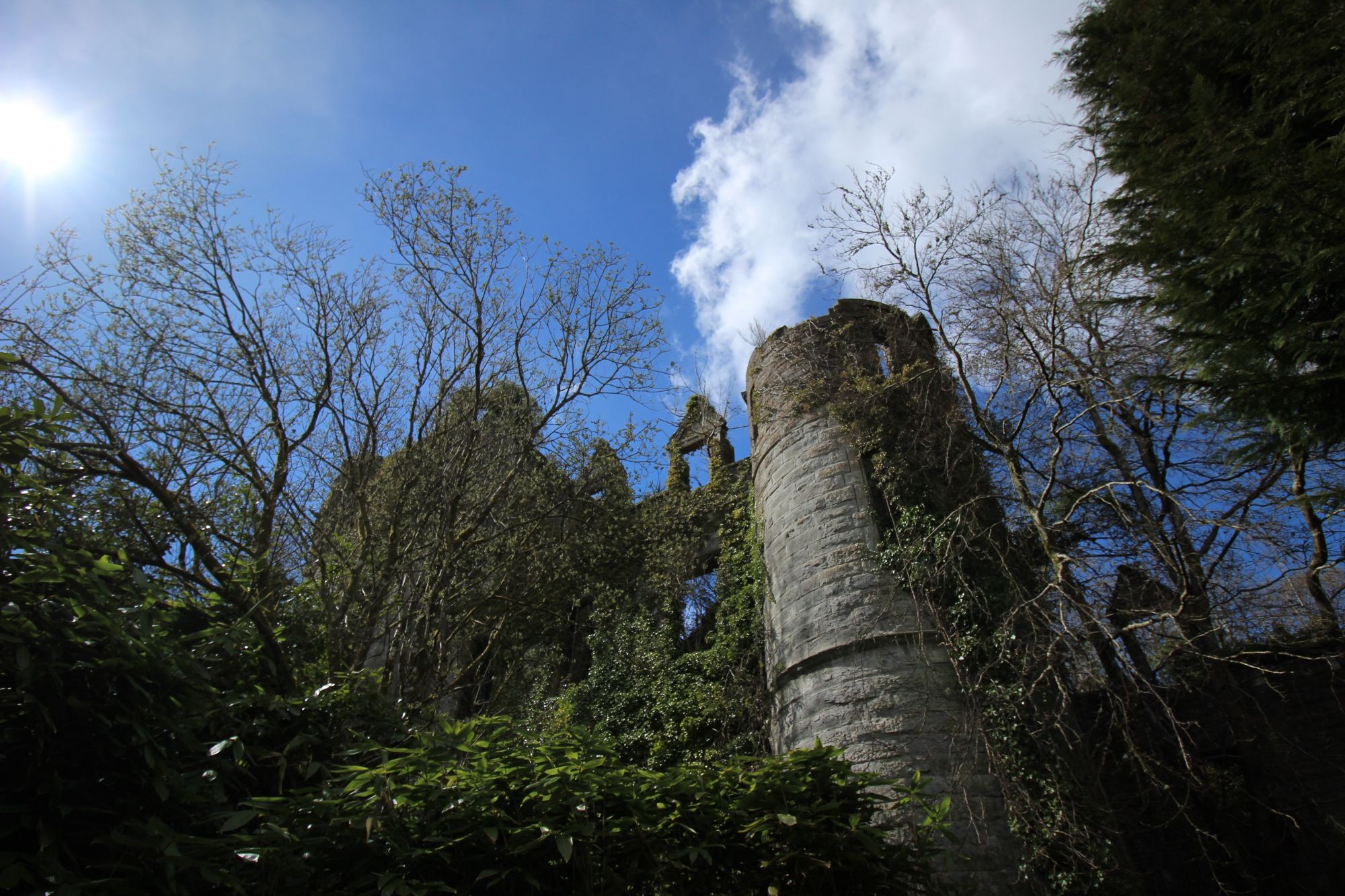


Buchanan Castle: The Overgrown Baronial Ruin of Stirlingshire
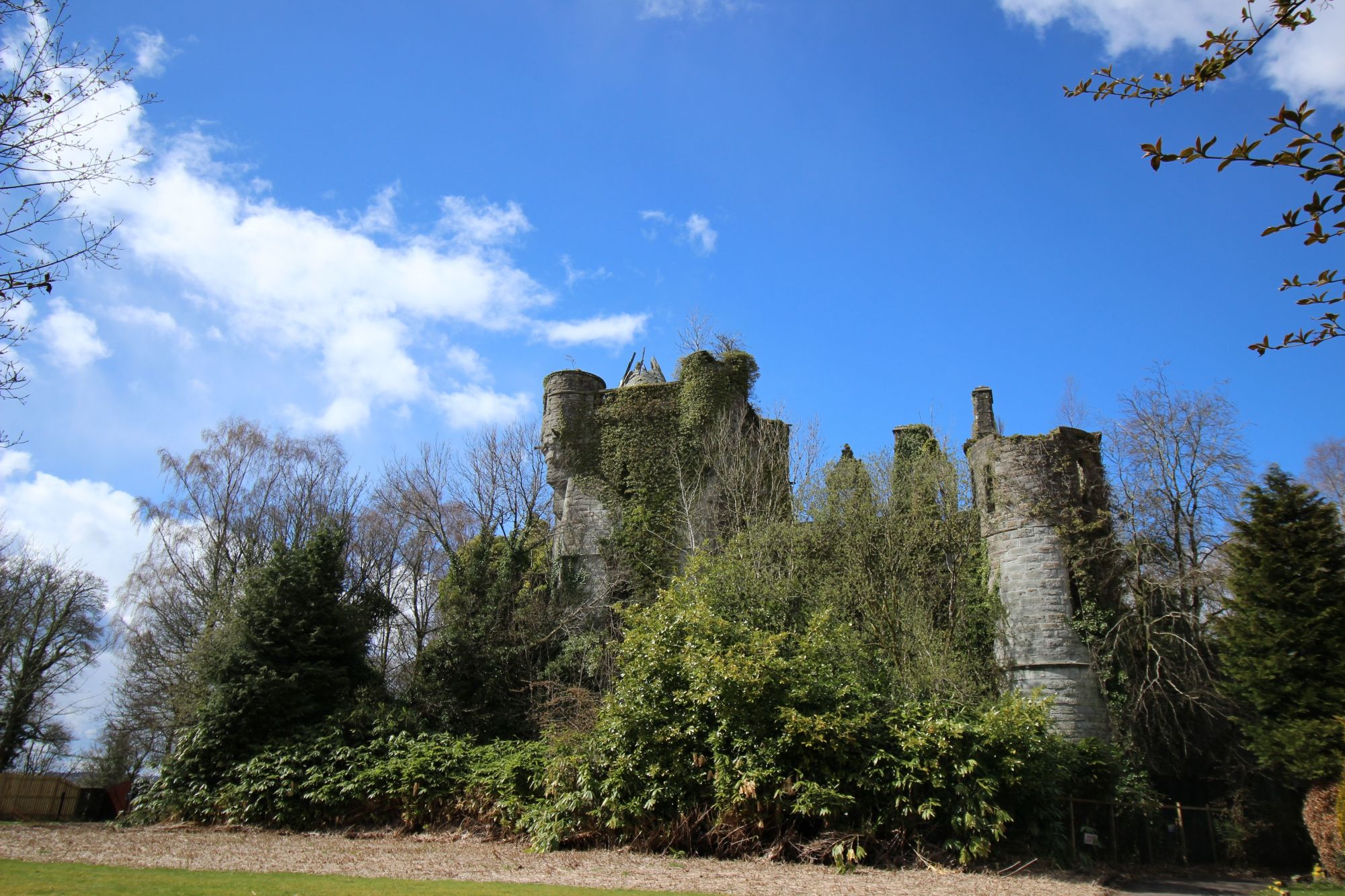
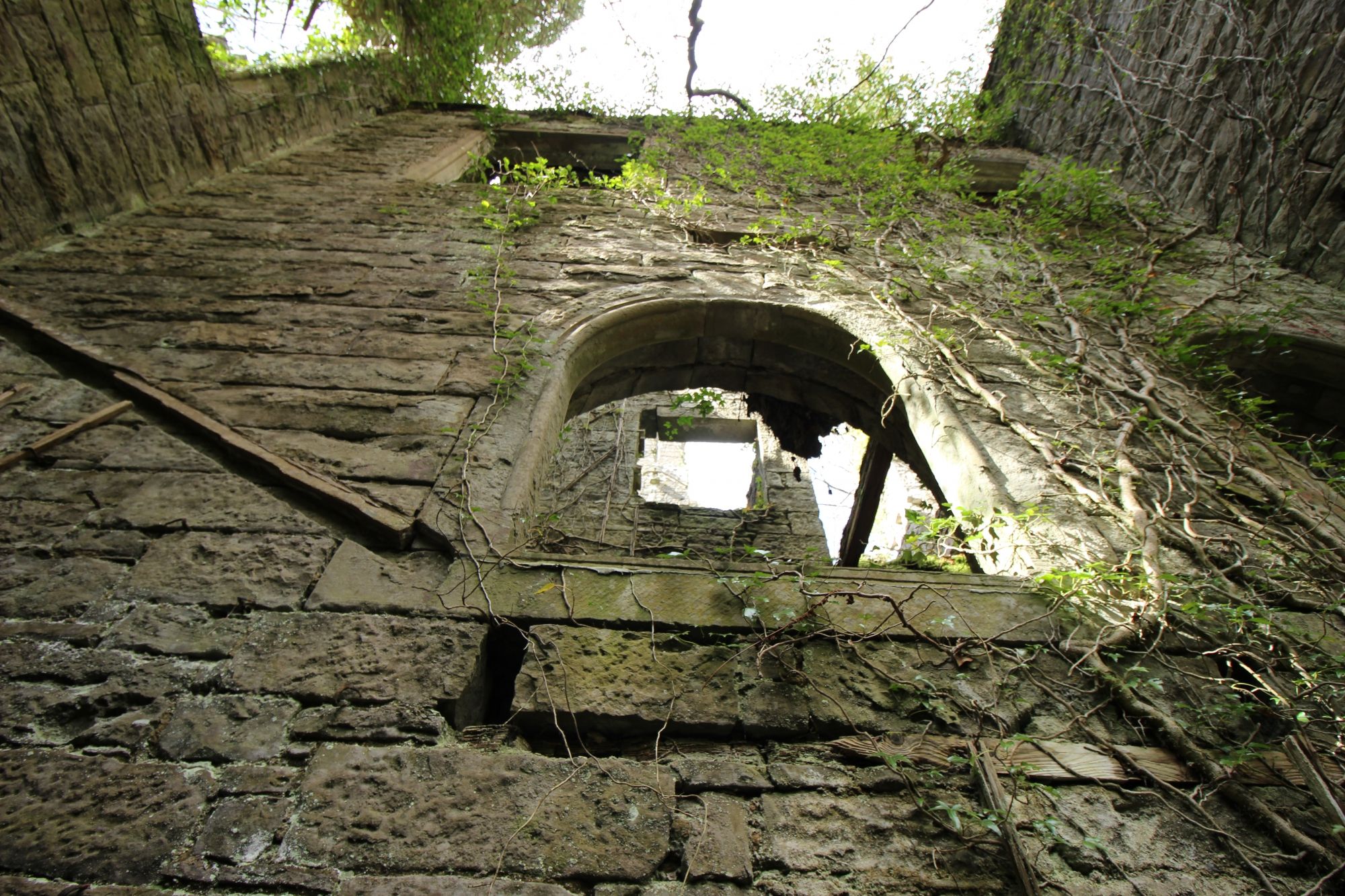
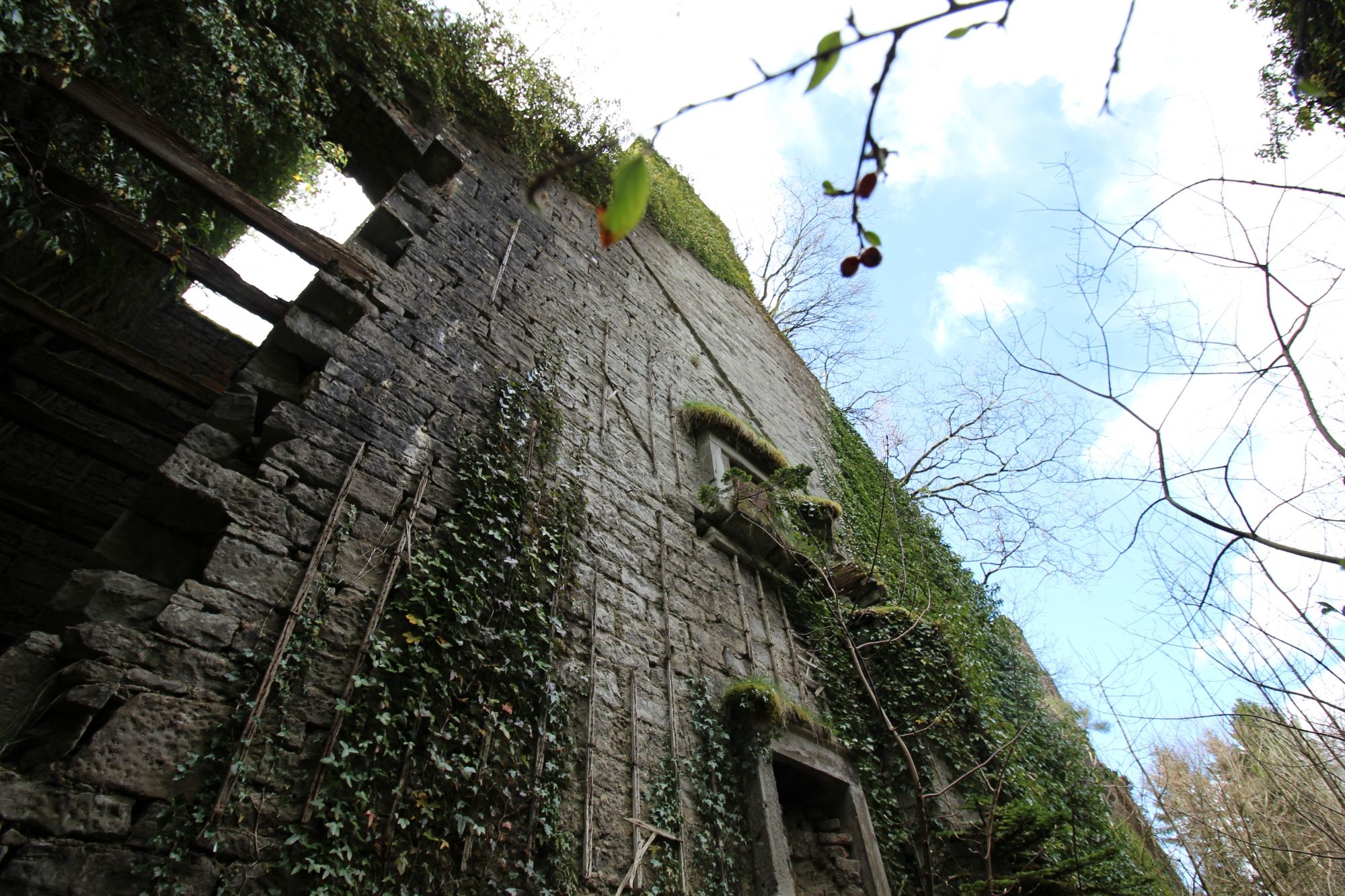
Located just a mile west of the picturesque village of Drymen, Buchanan Castle is one of Scotland’s most atmospheric and hauntingly beautiful ruins. Built between 1852 and 1858 by the 4th Duke of Montrose, this grand Scottish Baronial mansion served as the proud seat of Clan Graham for nearly seventy years. Today, it stands in a state of advanced, romantic decay, entirely roofless and heavily enveloped by ivy, trees, and wild vegetation. While the structure itself is unsafe to enter and tightly fenced off for safety, the exterior remains a compelling destination for photographers, historians, and those exploring the stunning landscapes near the eastern shores of Loch Lomond. In 2026, it serves as a powerful reminder of how quickly nature can reclaim the grandest of human ambitions.
From Clan Lands to a Fiery Rebirth
The surrounding estate has deep historical roots, originally belonging to Clan Buchanan from as early as the 13th century. Following financial difficulties, the lands passed to the Clan Graham in the late 17th century, who made the existing Buchanan Auld House their primary residence. However, in 1850, a devastating fire completely destroyed the old house. In response, the 4th Duke of Montrose commissioned the acclaimed architect William Burn to design a replacement a short distance away. Burn delivered a massive, opulent palace featuring sweeping turrets, a grand entrance, and intricate stonework designed to reflect the peak of Victorian aristocratic wealth.
A Hotel, War Hospital, and Rudolf Hess
The global upheavals of the 20th century completely transformed the destiny of Buchanan Castle. The Duke of Montrose sold the estate in 1925, and by the mid-1930s, the mansion had been converted into a luxurious hotel, complete with a golf course established on its sprawling parklands. When the Second World War broke out, the building was requisitioned by the state to serve as a military hospital. Its most famous historical footnote occurred in May 1941, when Rudolf Hess, Hitler’s Deputy Führer, crashed his plane in Renfrewshire during a bizarre, solo peace mission. He was brought to Buchanan Castle to receive medical treatment and interrogation before being transferred to the Tower of London.
The Tax Loophole and Nature's Reclamation
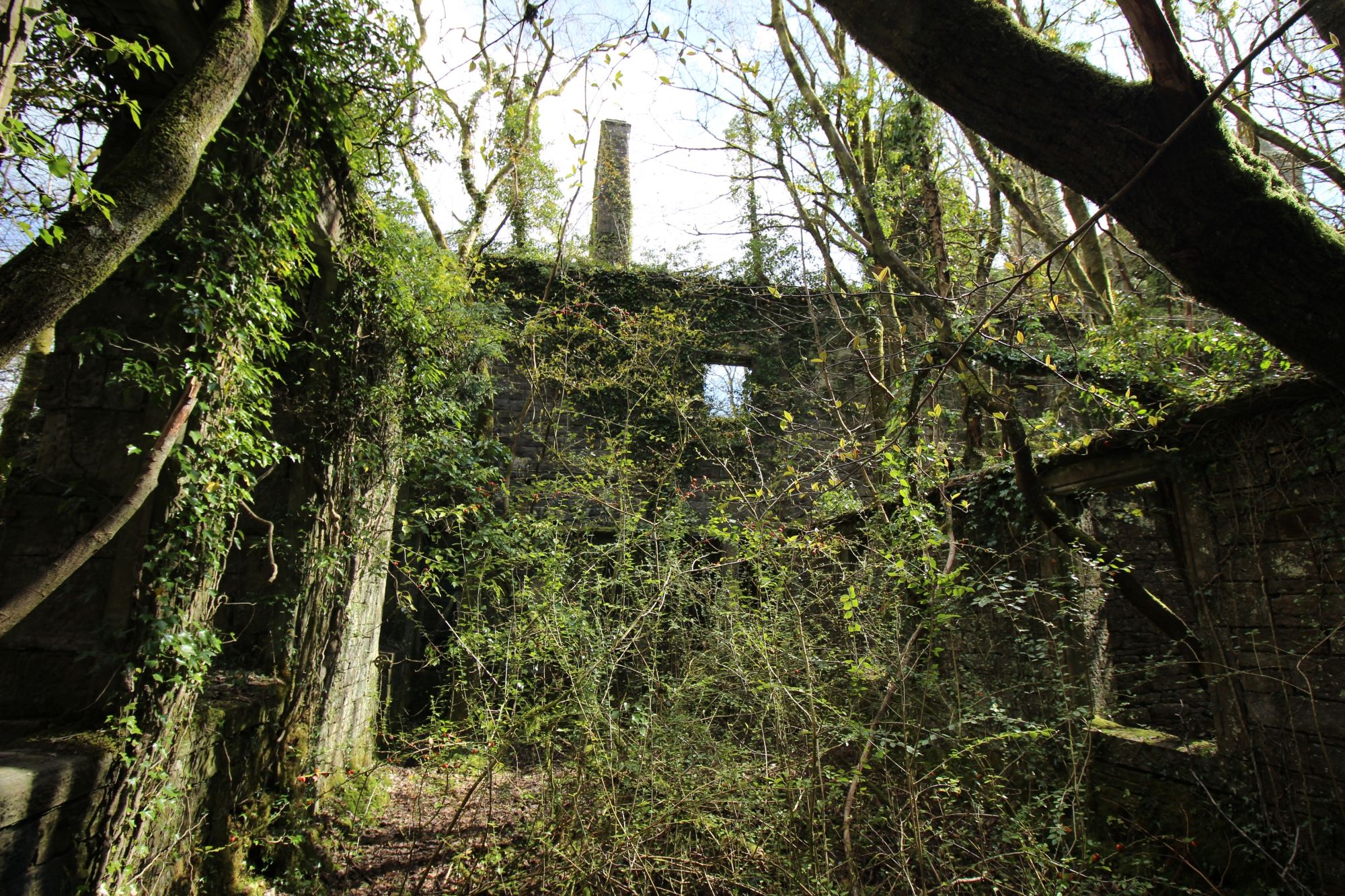
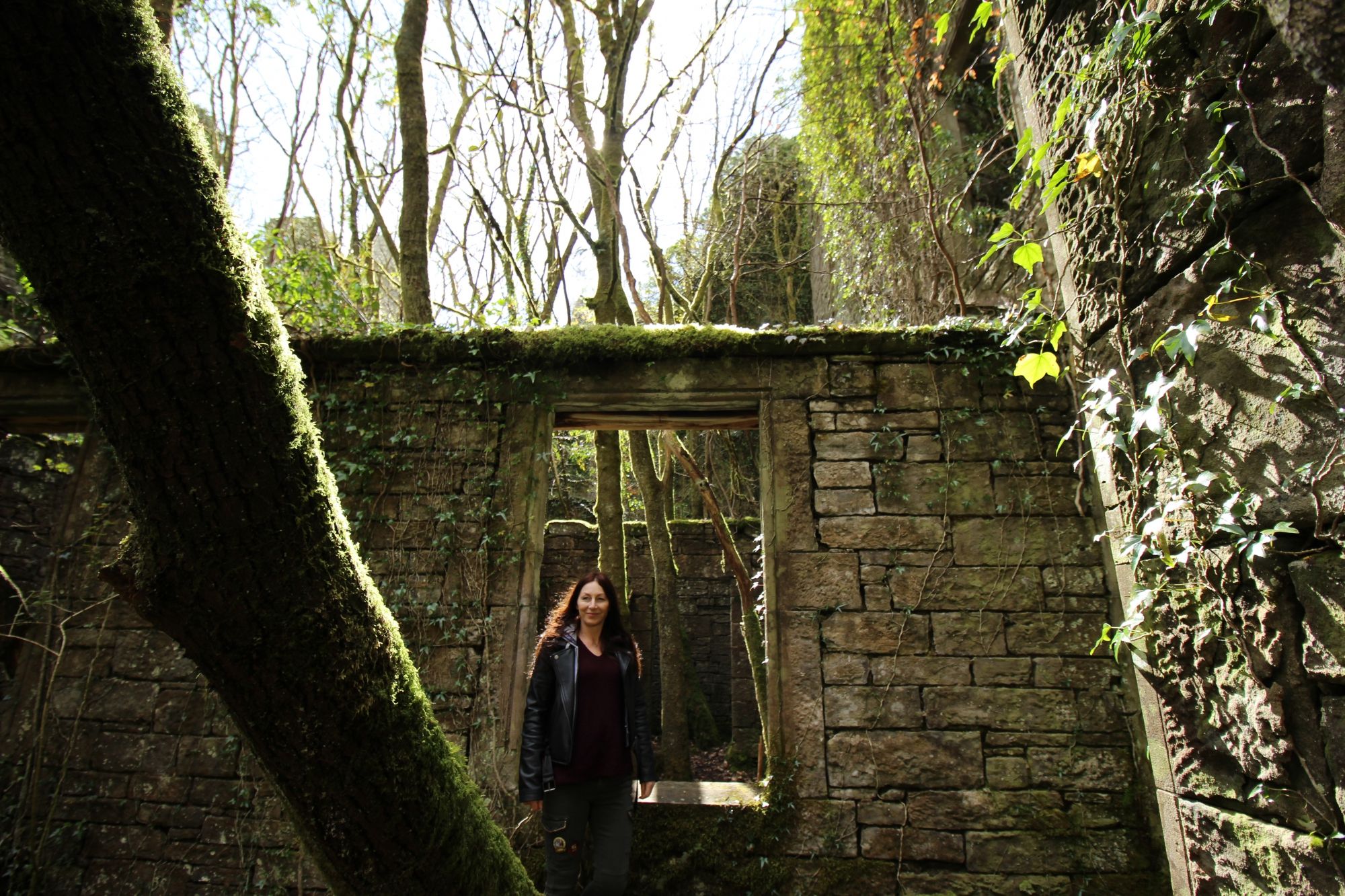
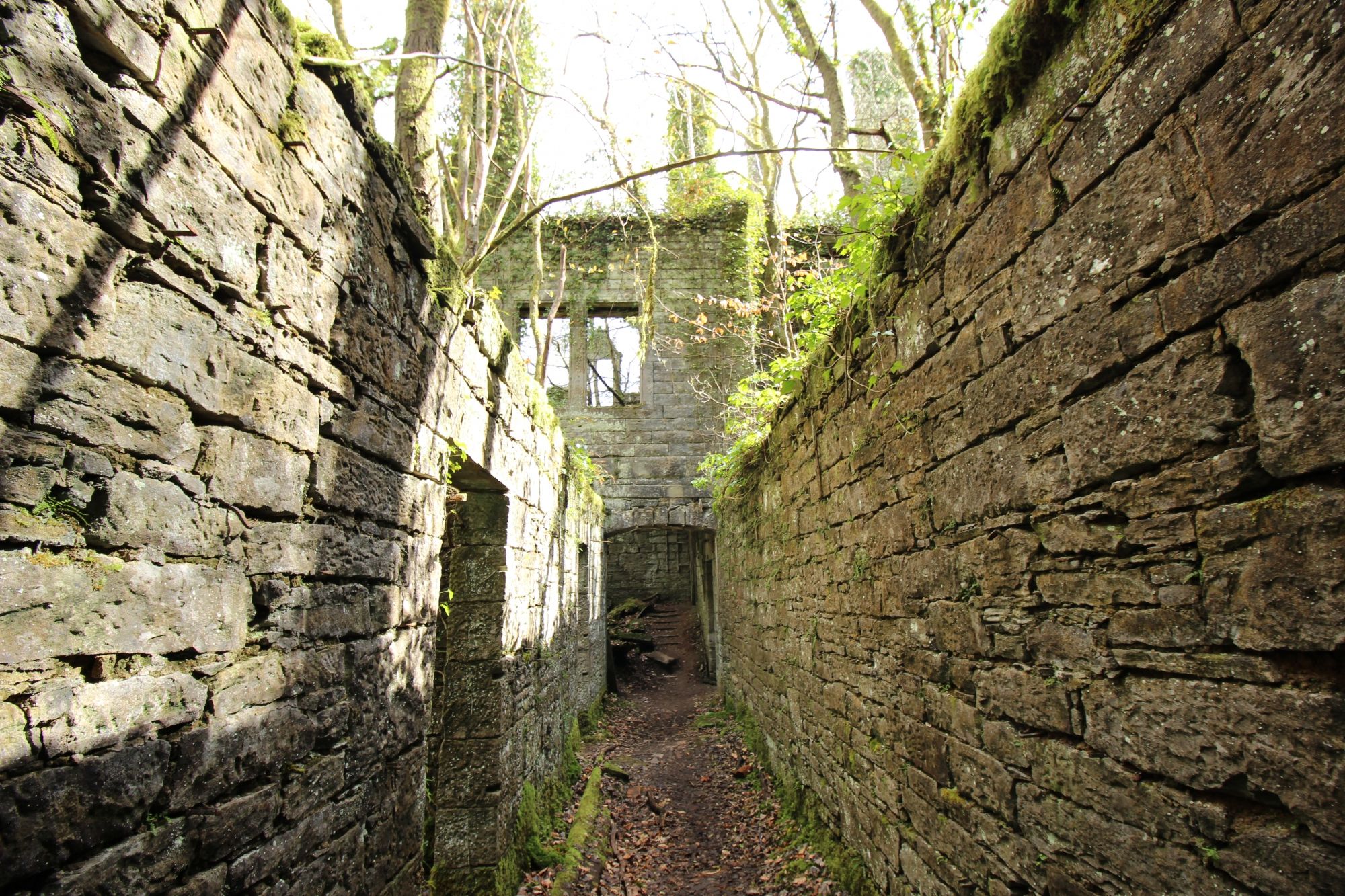
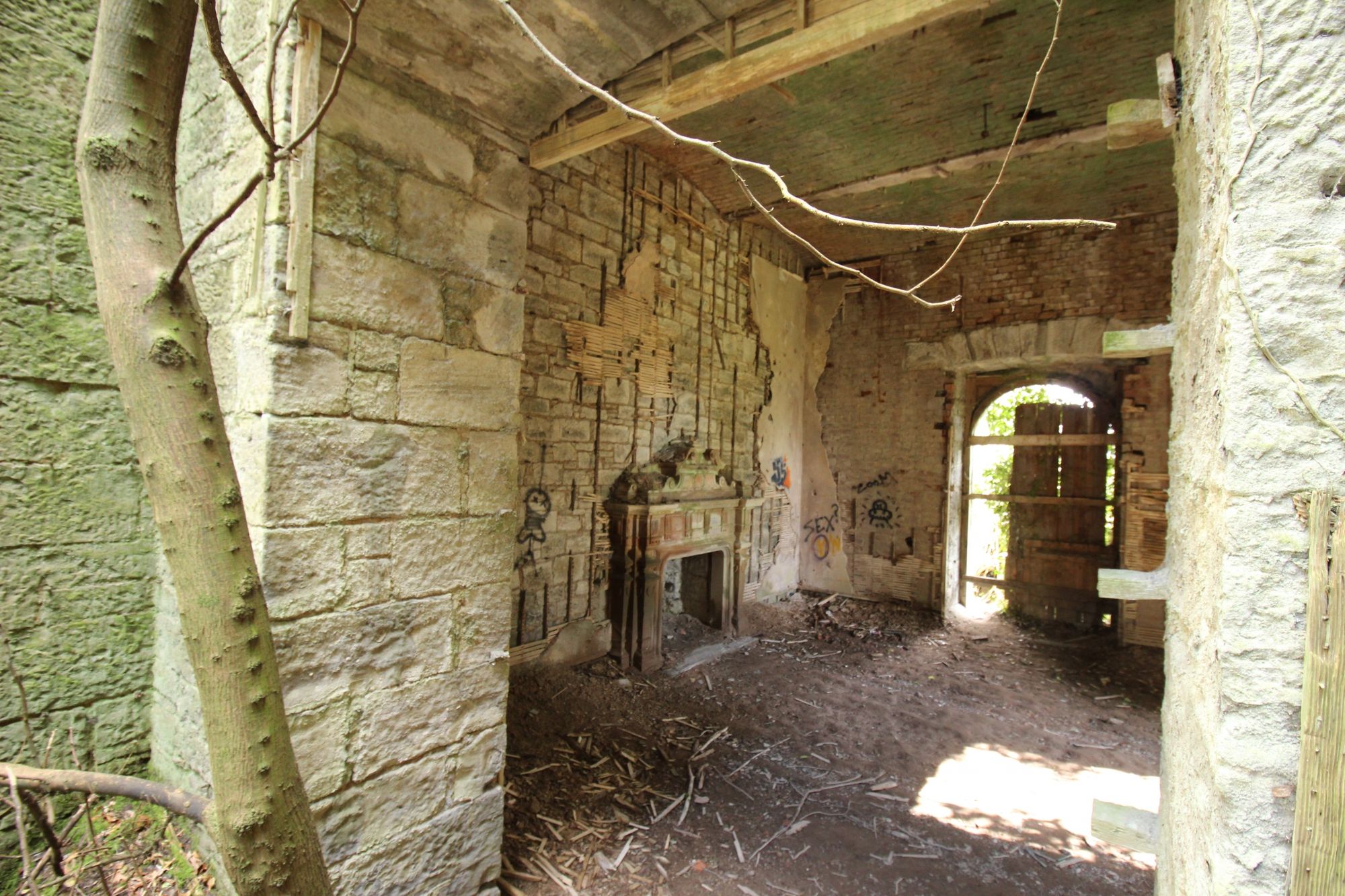
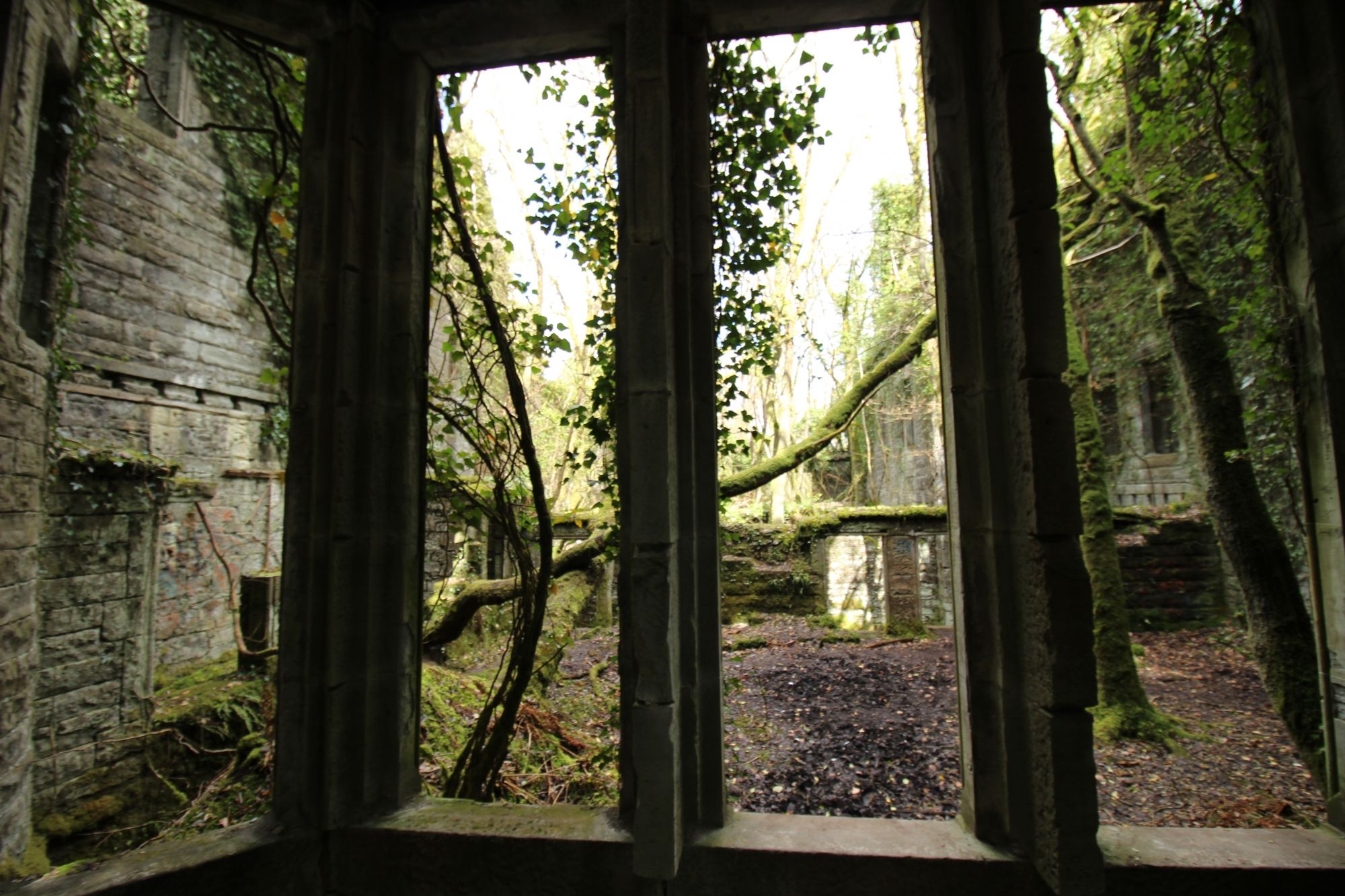
The castle's swift transition from a grand stately home to an abandoned shell began shortly after the war. After a brief stint as the Army School of Education, the maintenance of such a colossal building became unsustainable. In 1954, to evade heavy property taxes levied on habitable structures, the building was intentionally de-roofed and partially demolished. Left exposed to the harsh Scottish elements, the interior floors collapsed, allowing nature to stage a spectacular reclamation. In 2026, trees grow straight through the old drawing rooms, and thick curtains of ivy drape from the empty window frames, creating a striking contrast between human architectural ambition and the power of the natural world.
Visitor Safety and Practical Information
Because Buchanan Castle is officially designated as a Category B listed building on the Buildings at Risk Register, strict safety guidelines are in place. The interior is highly volatile, with a constant danger of falling masonry, meaning visitors must admire the castle strictly from outside the safety perimeter. The ruins are situated within the peaceful grounds of the Buchanan Castle Golf Club. Walkers and visitors are welcome to view the castle from the adjacent pathways, but are requested to show full respect to the golfers and keep to designated walking trails. The village of Drymen is a short walk or drive away, providing excellent local pubs, cafes, and accommodation for travelers.
Conclusion: A Melancholic Highland Icon
Buchanan Castle stands as a powerful monument to the passage of time. It bridges the gap between ancient clan rivalries, Victorian opulence, wartime intrigue, and the quiet beauty of modern decay. For anyone traveling through Stirlingshire or heading toward Loch Lomond, catching a glimpse of this cloaked, green giant hidden among the trees offers an unforgettable, slightly eerie glimpse into Scotland’s rich and vanishing architectural past.