



The Monastic Shore: Geomorphology, Cultural History, and Coastal Logistics of the White Strand of the Monks
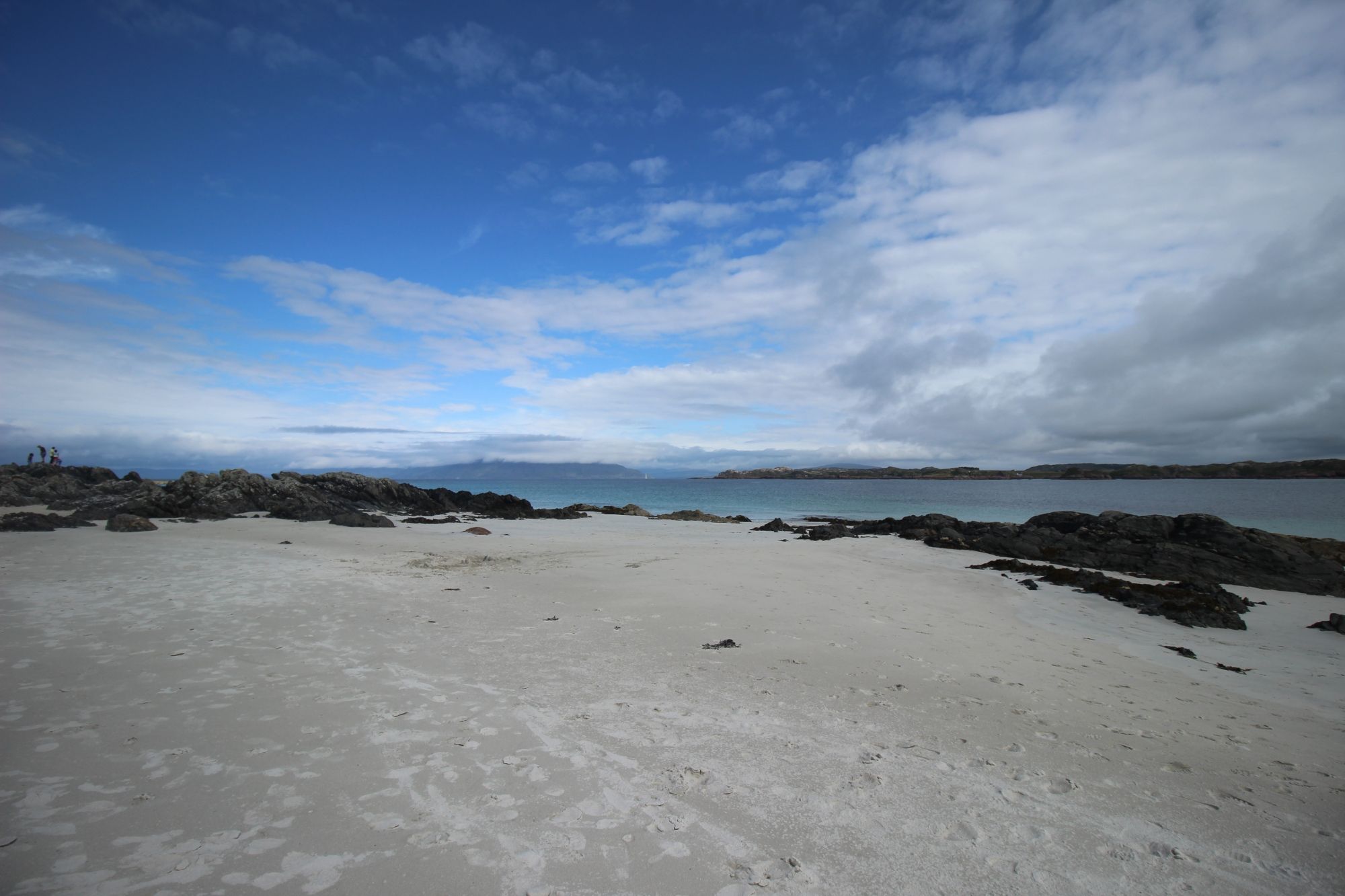
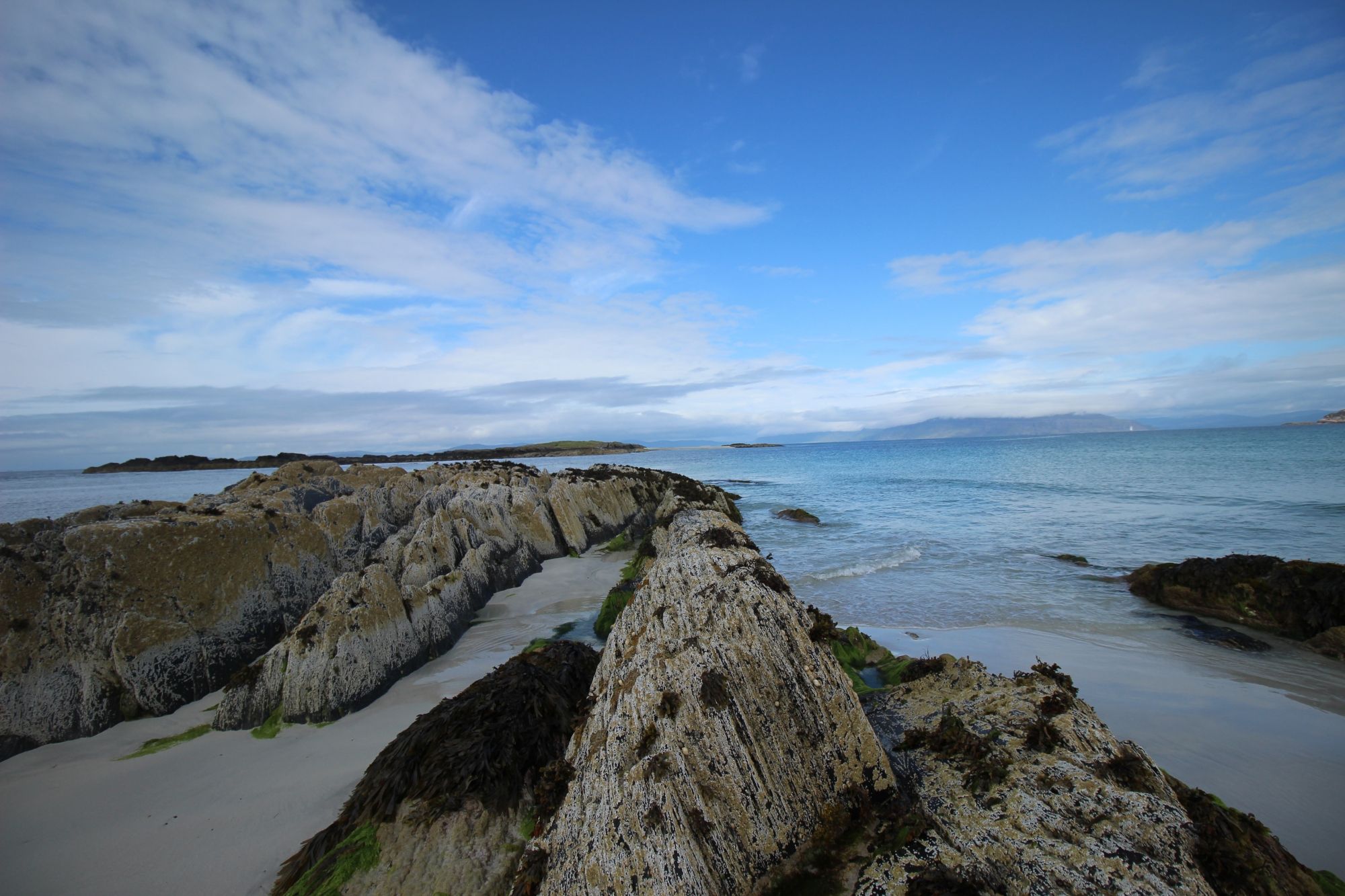
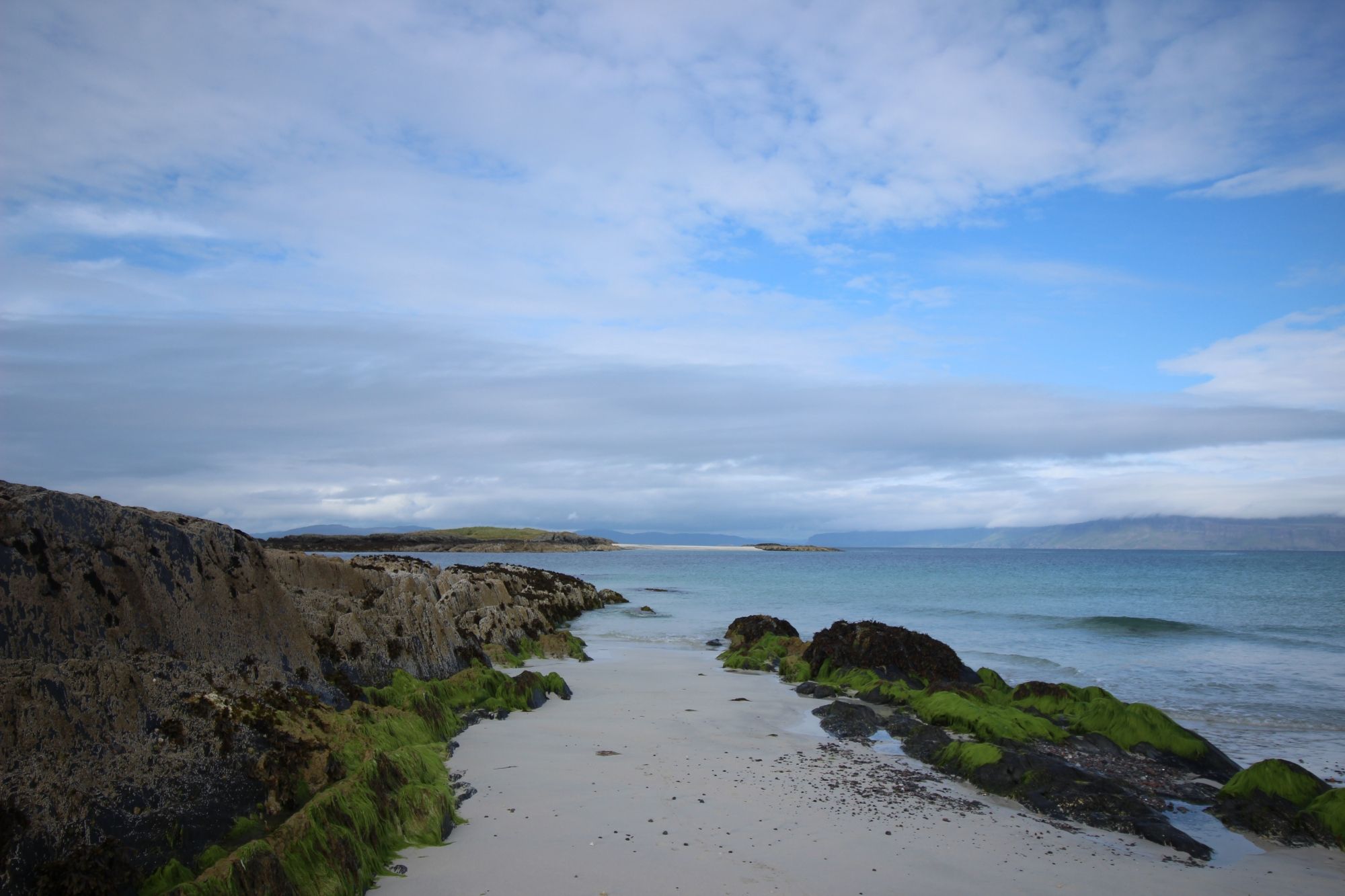
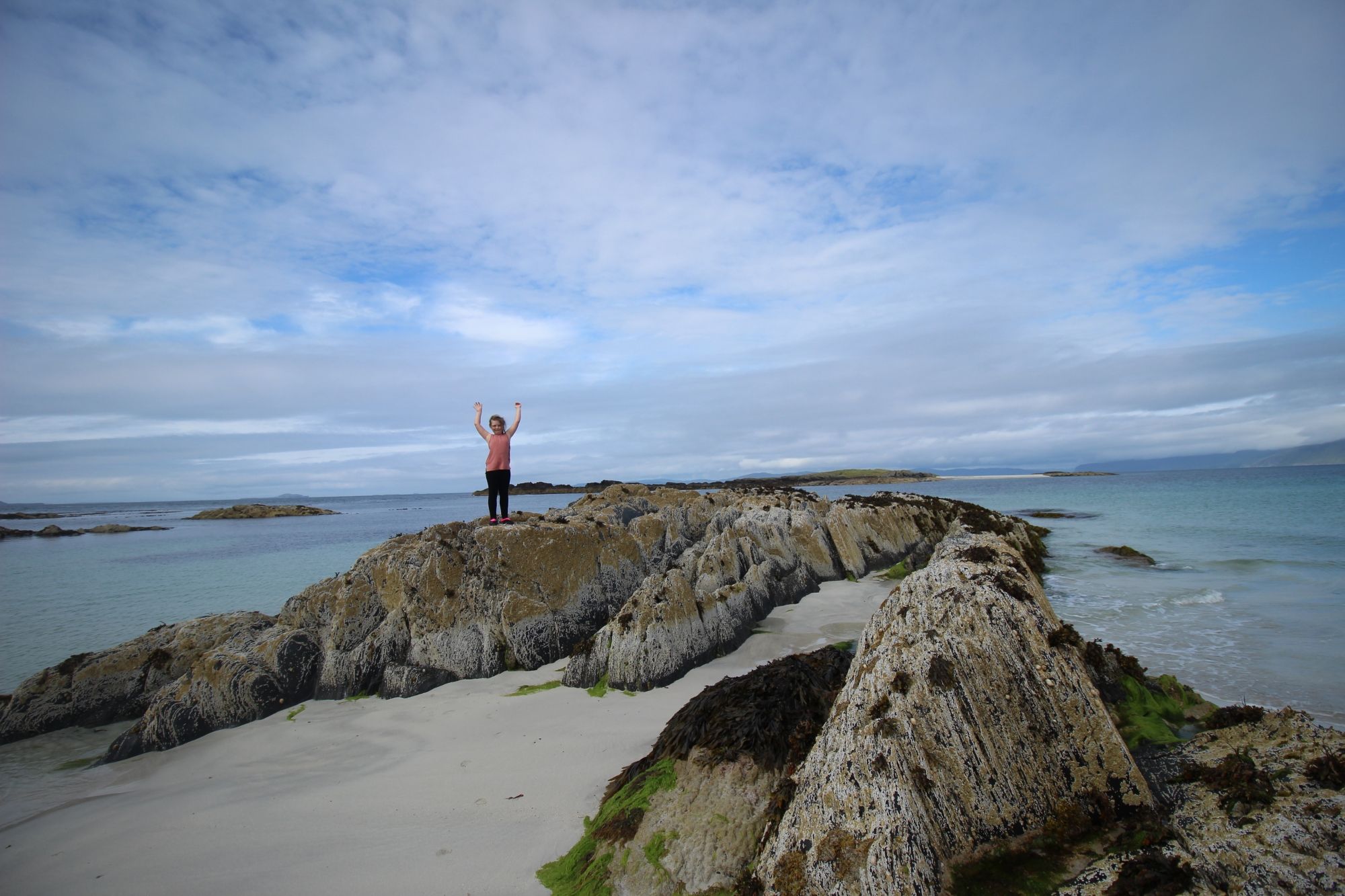
Tucked into the rugged, granite-strewn coastline of Connemara, County Galway, the White Strand of the Monks—known natively as Trá Bhán na Manach—is a secluded, quartz-rich beach set against the backdrop of the Atlantic Ocean and the distant Twelve Bens mountain range. The name references the historical monastic presence in the region, where early Christian hermits established coastal retreats to foster isolation and contemplation. Unlike the high-energy, surf-dominated beaches of the Atlantic fringe, this strand is a protected, low-energy sedimentary basin characterized by its distinct, shimmering white shell-sand. Navigating this site requires an understanding of the regional coastal geology, the historical significance of the Connemara monastic landscape, and the logistical requirements for accessing this remote, unserviced shoreline.
The Structural Blueprint: Coastal Geology and Sedimentary Dynamics
The physical character of the White Strand is a direct result of the tectonic history of the Connemara region and the localized erosion of unique mineral deposits:
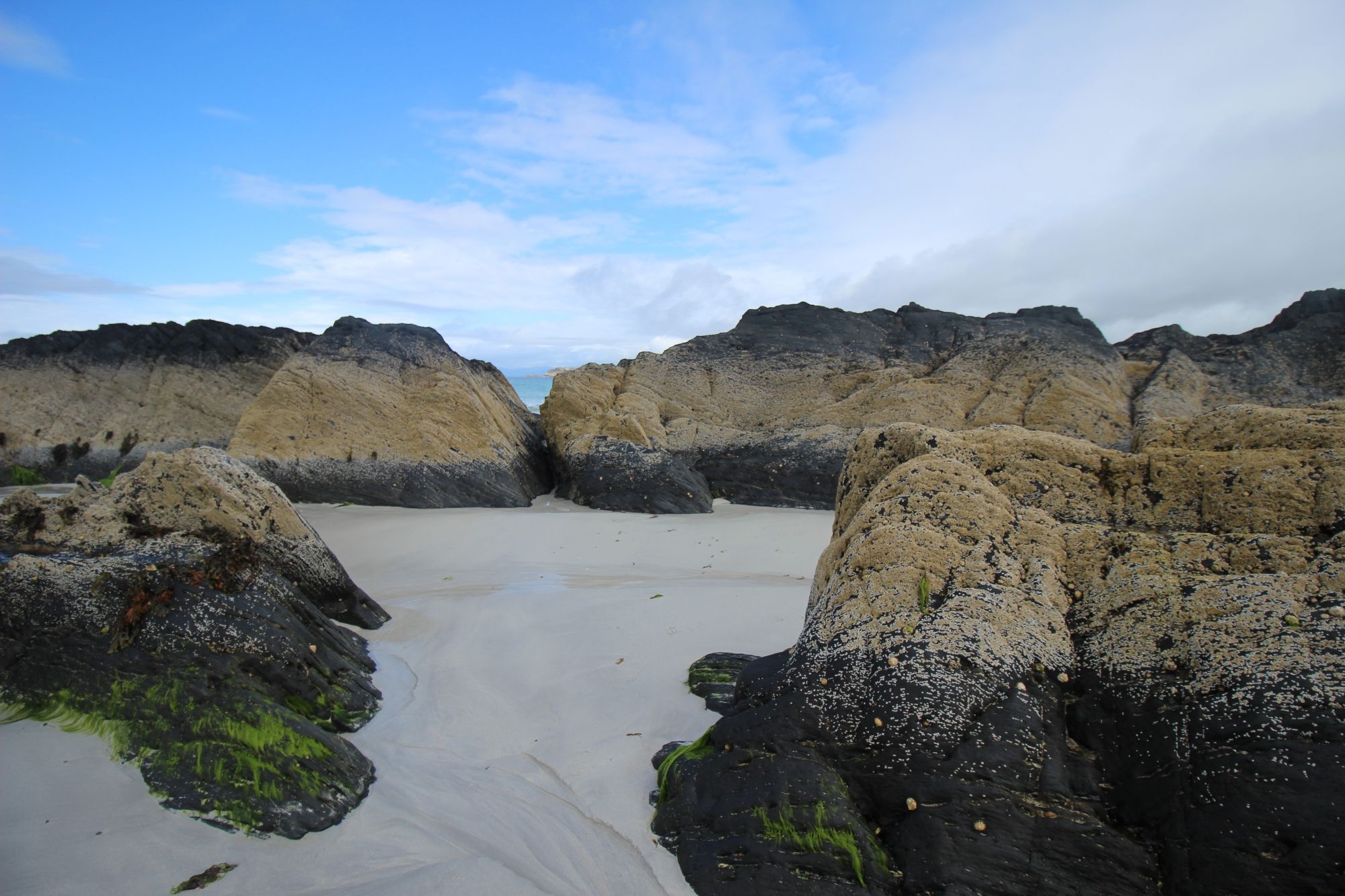
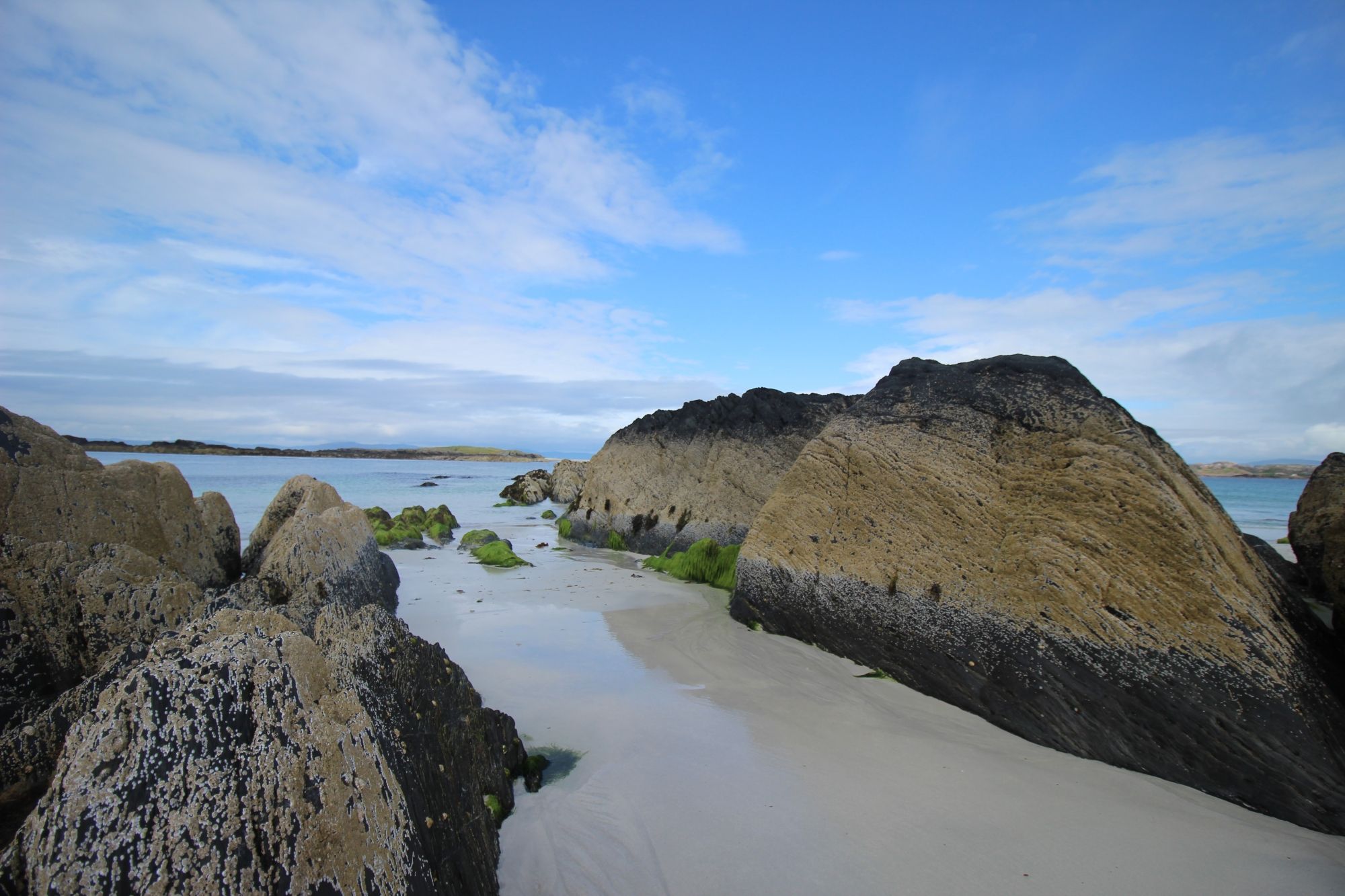
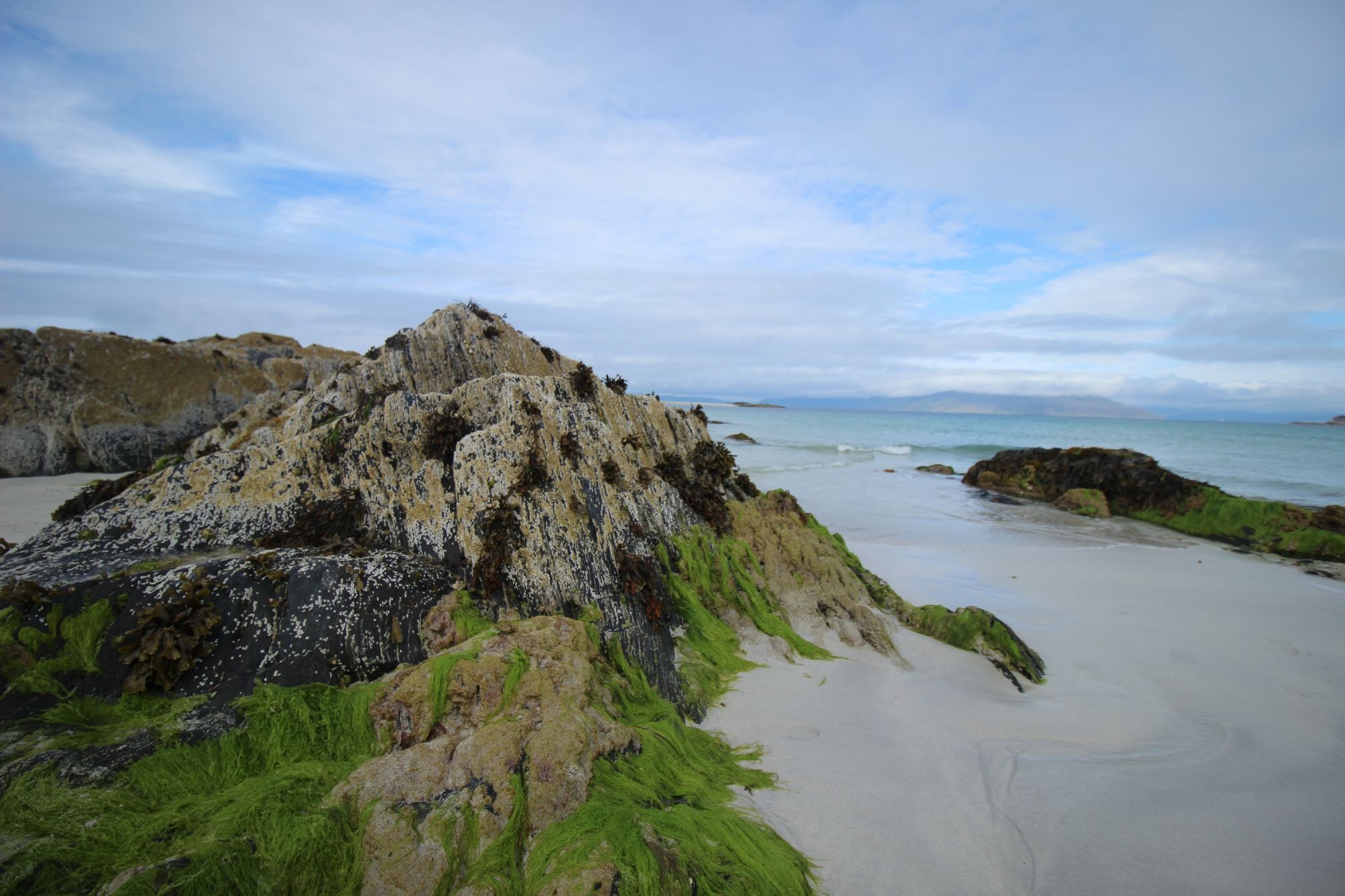
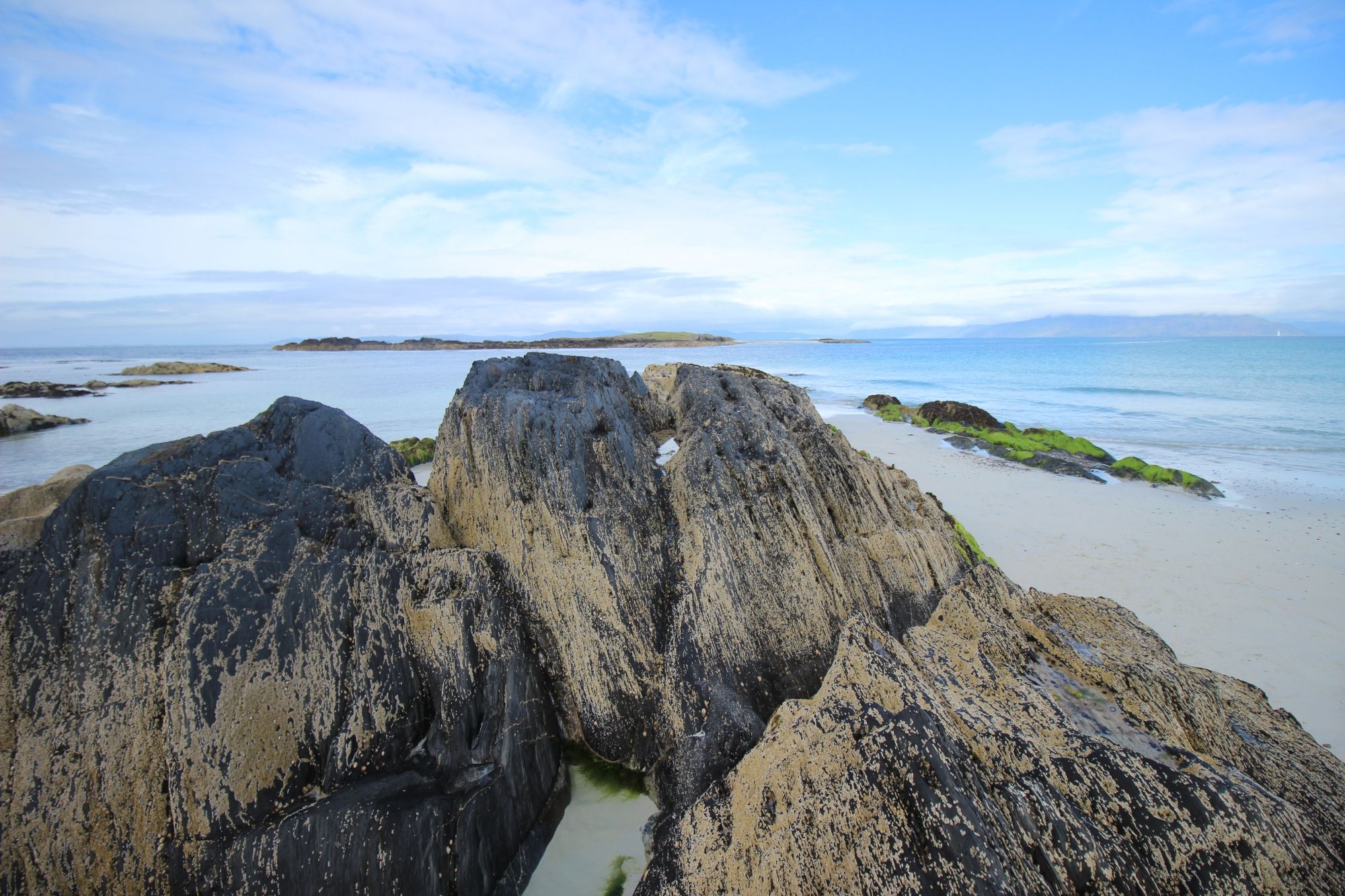
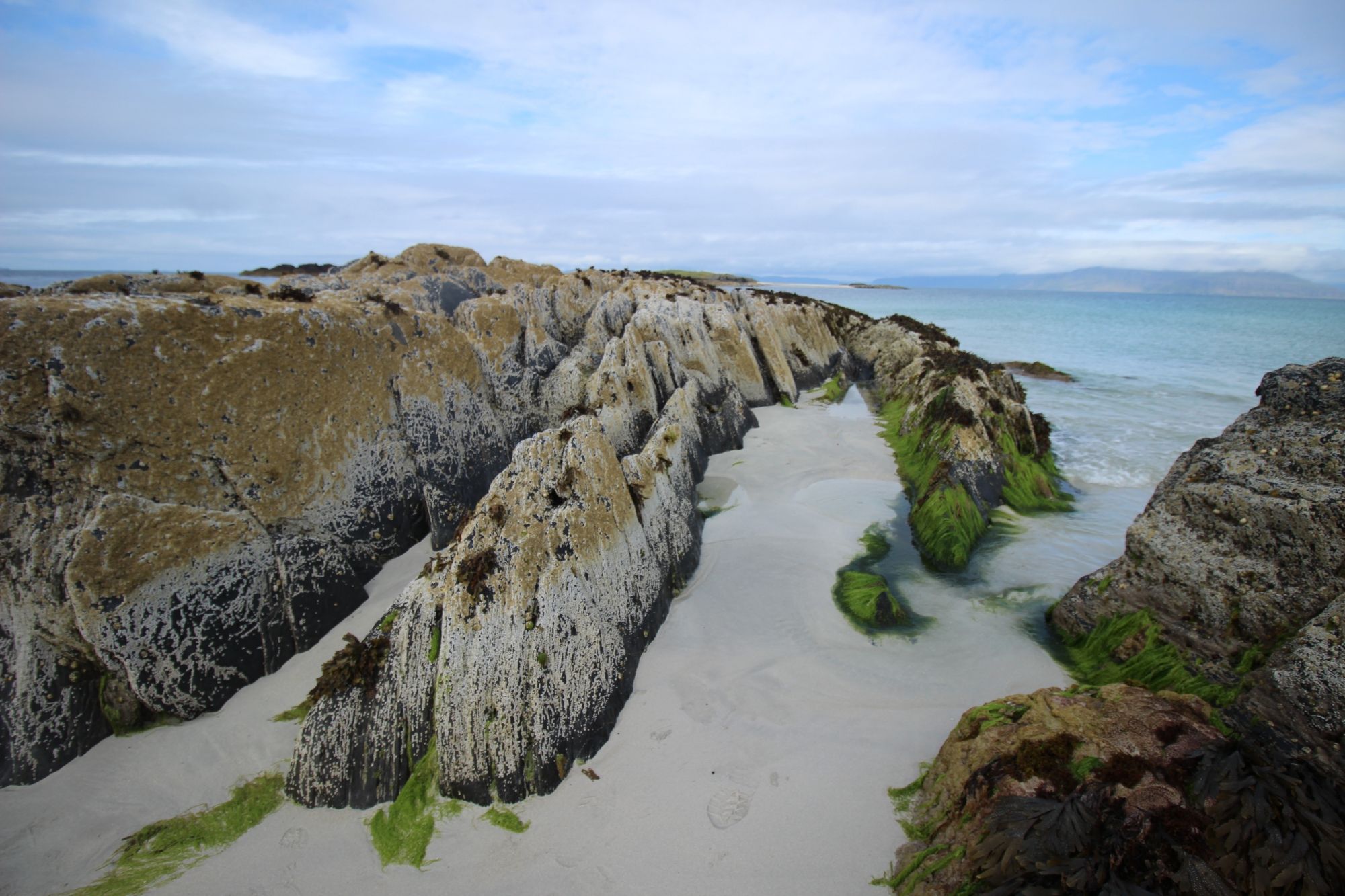
- Quartz and Shell-Sand Composition: The "whiteness" of the strand is derived from high concentrations of crushed marine shells and localized deposits of weathered, light-colored granite and quartz sand. This high-albedo substrate reflects solar radiation, creating a distinctive luminous appearance that contrasts sharply with the dark, iron-rich metamorphic outcrops that flank the beach.
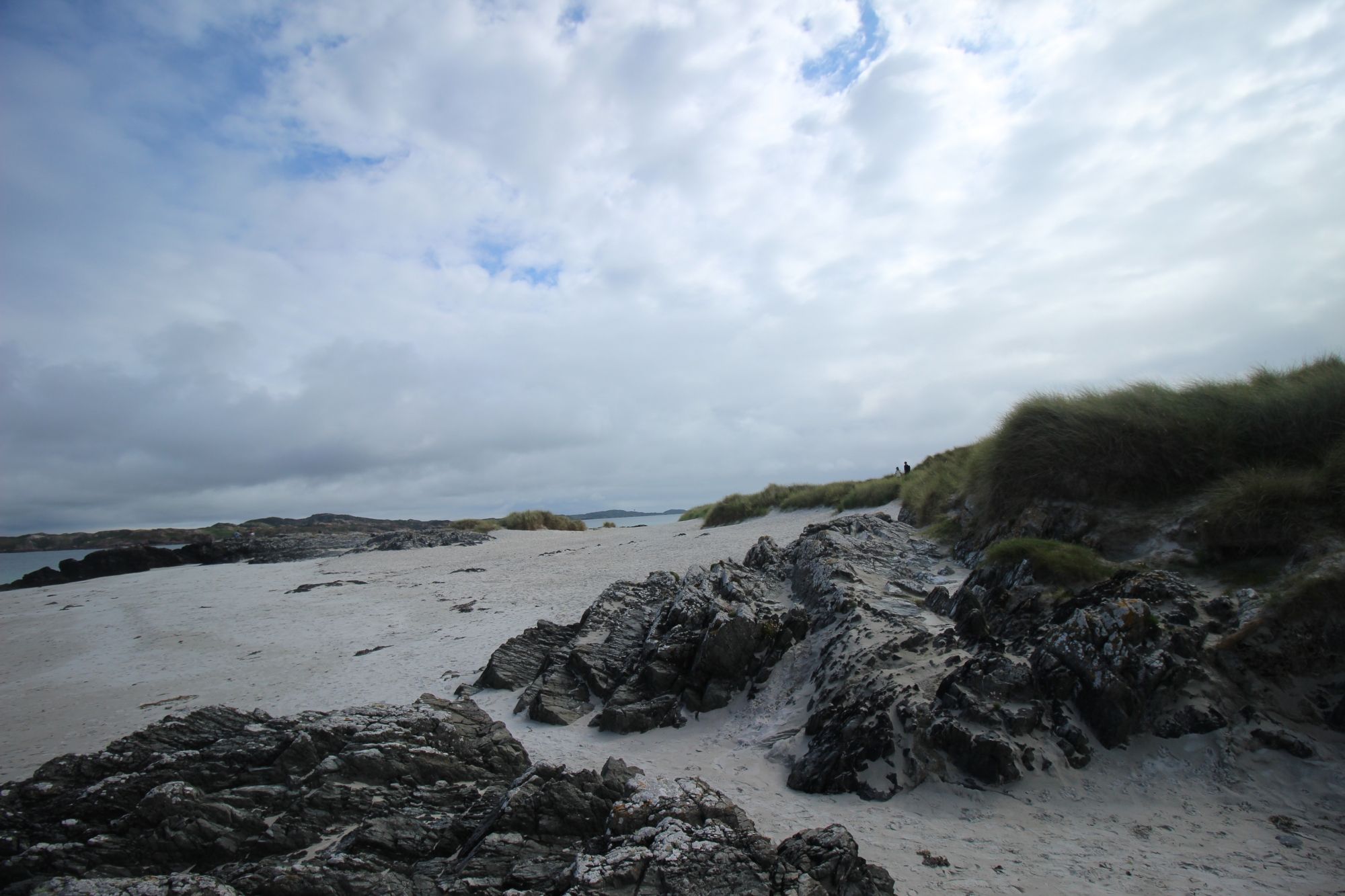
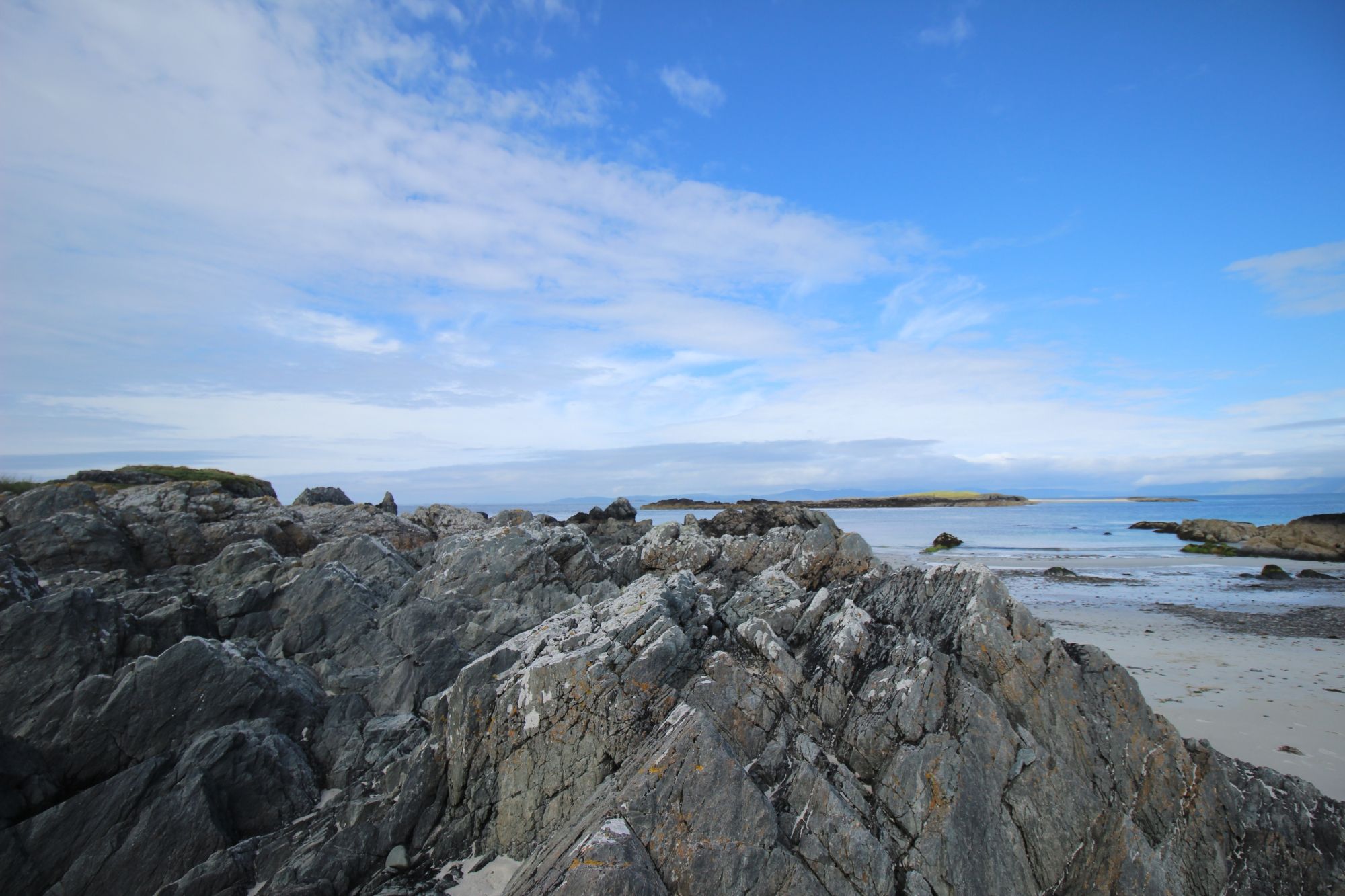
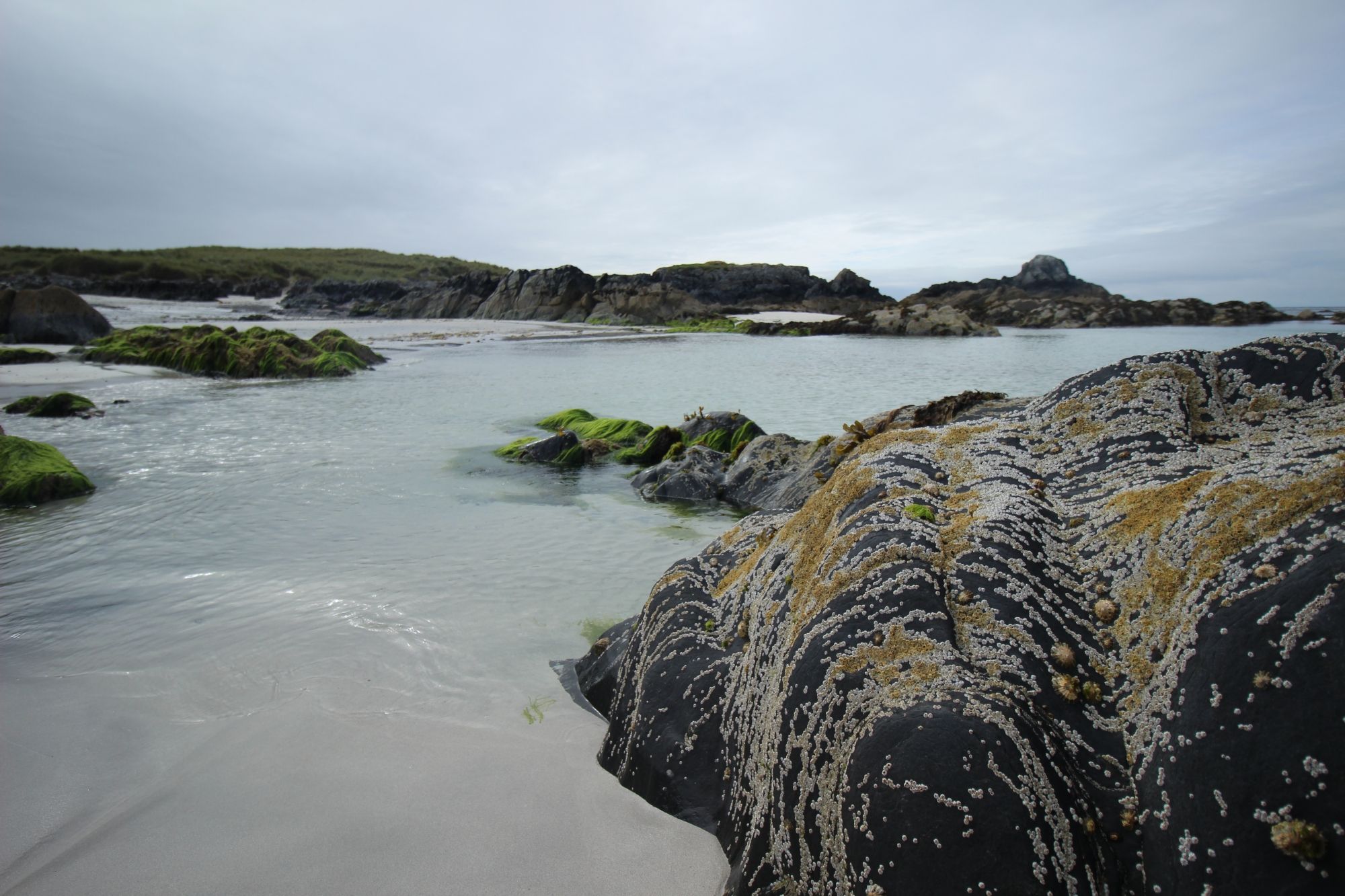
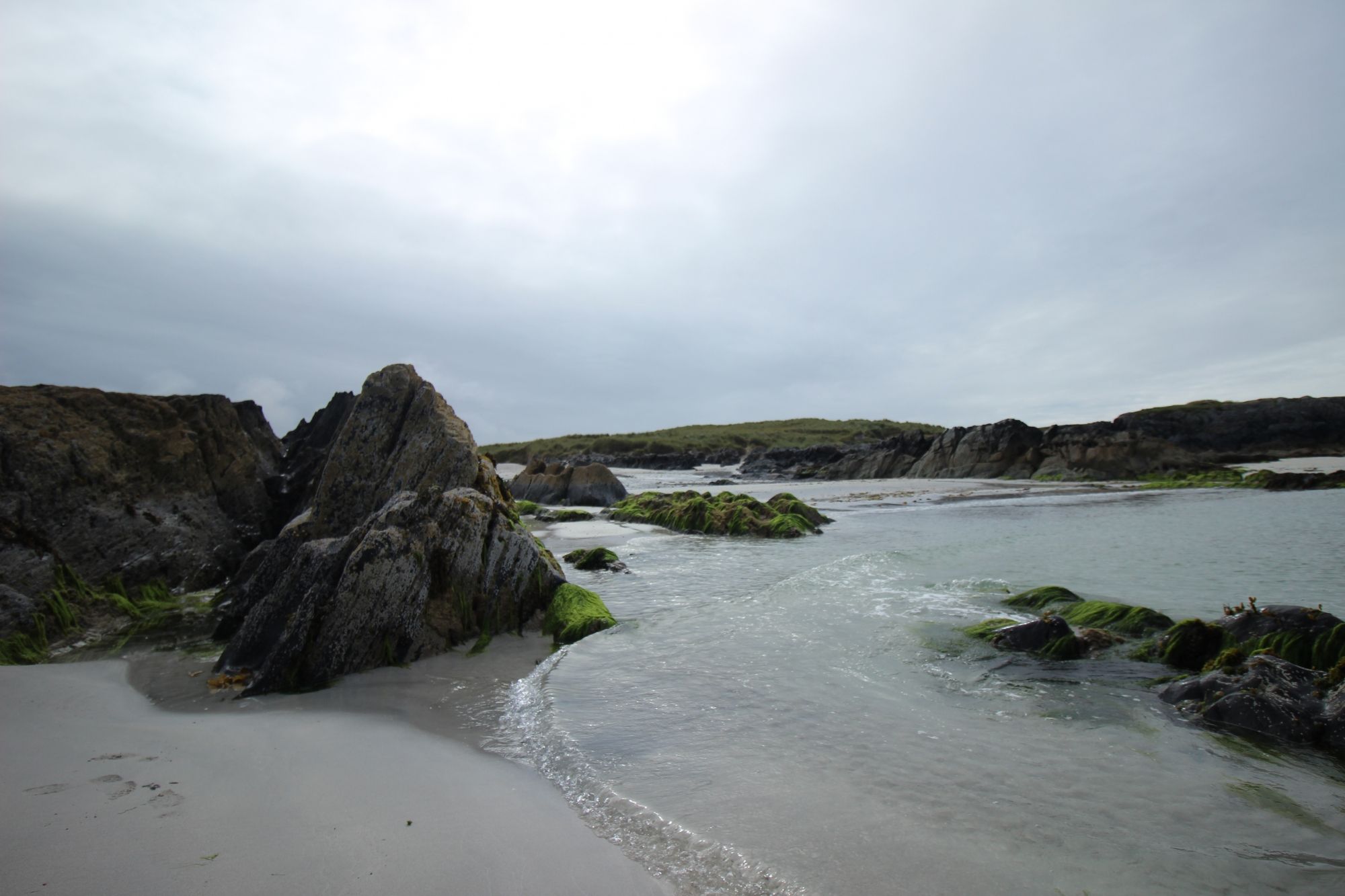
- Granite Bedrock and Coastal Erosion: The beach is cradled by outcroppings of Connemara granite, an igneous rock formation that has been scoured by thousands of years of Atlantic weather. These granite blocks form natural barriers at the northern and southern limits of the strand, protecting the beach from aggressive longshore drift and allowing for the accumulation of fine, white marine sediment.
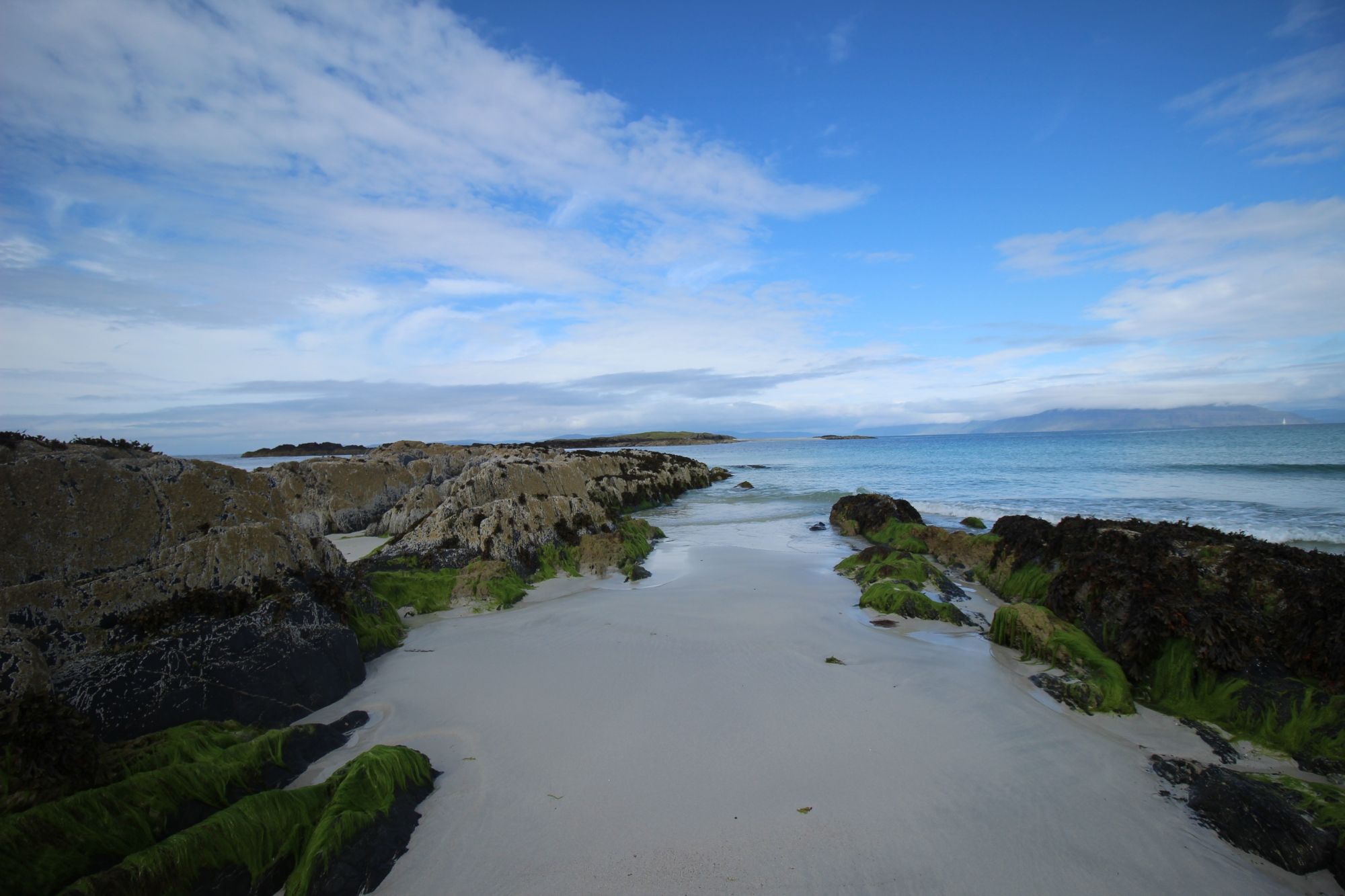
- Tidal Basin Geometry: The White Strand exists as a sheltered pocket beach. The concave geometry of the bay serves as a natural hydraulic filter, allowing wave energy to dissipate before reaching the high-tide line. This stability facilitates a diverse intertidal zone, where specialized macro-algae and crustacean colonies occupy the stable, sheltered granite pools found at the strand's periphery.
The Cultural Blueprint: Monastic History and Landscapes of Contemplation
The cultural identity of Trá Bhán na Manach is inseparable from the early Christian history of Western Ireland:
- Hermetic Monasticism: During the early medieval period, the Connemara coastline was a focal point for the "anchorite" tradition, where monks sought remote coastal sites for seclusion. The White Strand provided a functional environment for these settlements, offering access to maritime resources while maintaining the distance necessary for a contemplative life.
- Archaeological Vestiges: While the primary monastic structures have largely been reclaimed by time, the surrounding landscape remains marked by the faint traces of early agricultural practices—stone field boundaries (clochán) and circular ruins that indicate a period of sustained, if isolated, human occupation. Visitors are reminded that these remains are protected; site integrity is paramount to the historical record.
The Trail Blueprint: Access, Logistics, and Visitor Management
Accessing the White Strand requires adherence to local land management protocols and high-level self-sufficiency:
- Staging and Road Infrastructure: The strand is reached via a series of narrow, winding local roads typical of the Connemara peninsula. These roads are not engineered for high-volume traffic; passing places are mandatory for vehicle management. Visitors must adhere to strict parking etiquette, ensuring that agricultural gates and road verges remain unobstructed.
- Pedestrian Access: The path to the shoreline is not a formal, paved tourist track. It involves navigating across commonage (locally owned agricultural land) and dune systems. Maintaining the stability of the dune grass (Ammophila arenaria) is essential; these grasses anchor the sand and prevent coastal erosion. Walking outside established, low-impact paths accelerates dune blowout, which can destabilize the primary coastal protection.
- Visitor Self-Sufficiency: The White Strand is an unserviced coastal site. There is no commercial infrastructure, waste disposal, or sanitation. The "Leave No Trace" protocol is the only operational standard; all materials brought to the site must be removed. Furthermore, the remote nature of the location means that emergency response times can be significantly extended; visitors should monitor local weather forecasts, as the Atlantic conditions here can shift rapidly.