


The Hanging Valley: Navigating the Gorge Trail, Wire Bridge, and Cinematic Scale of Steall Falls
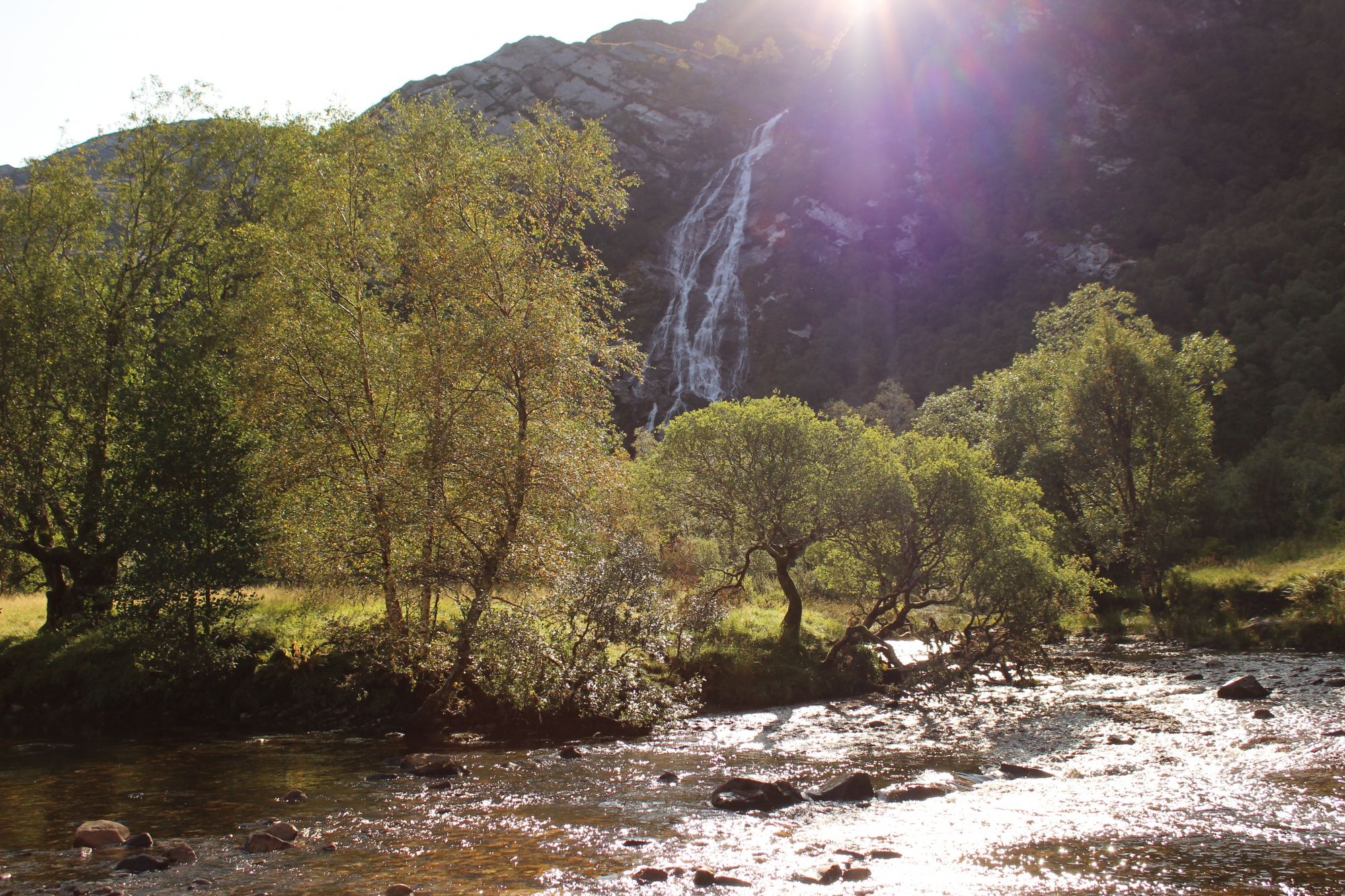
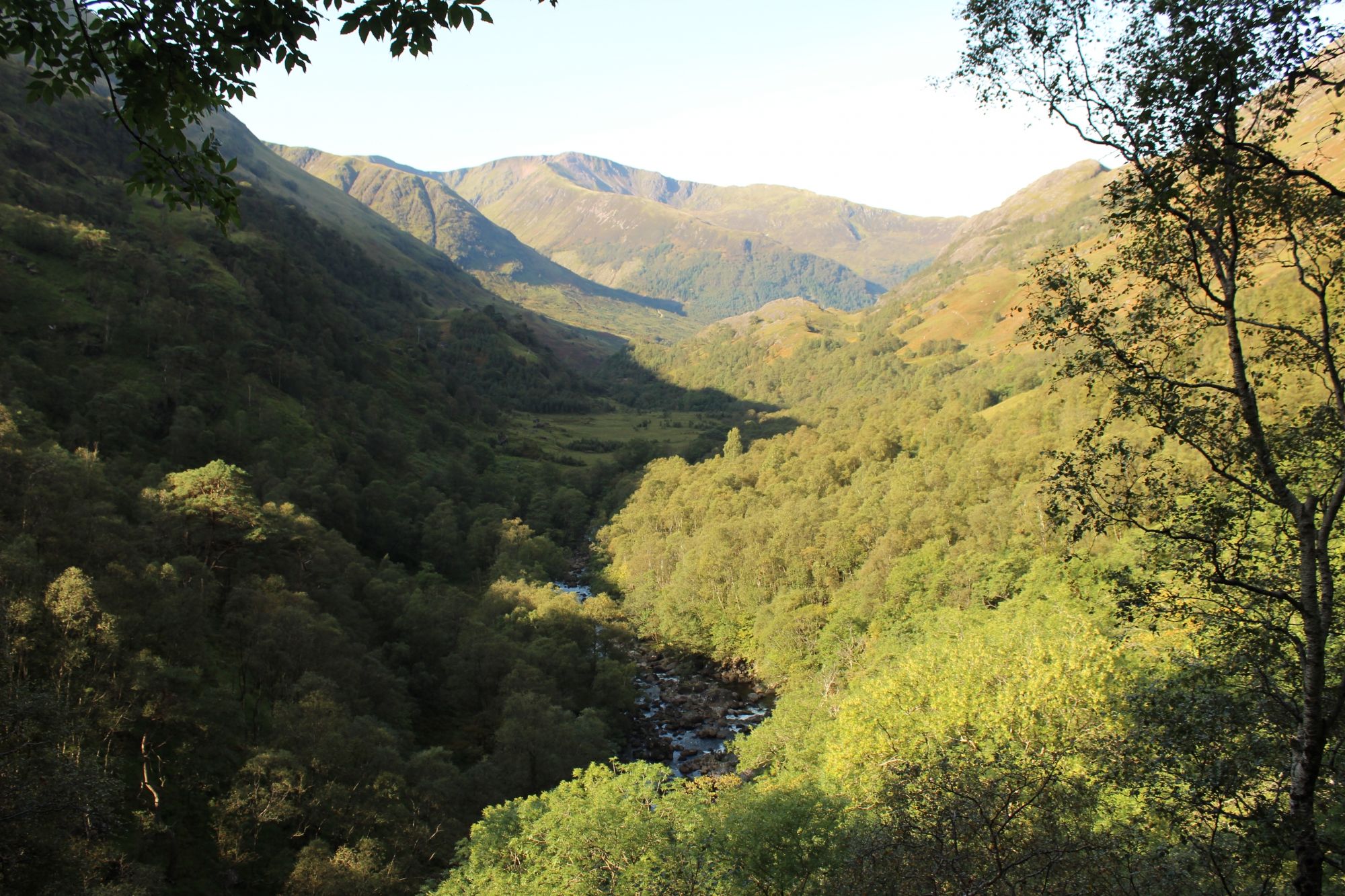
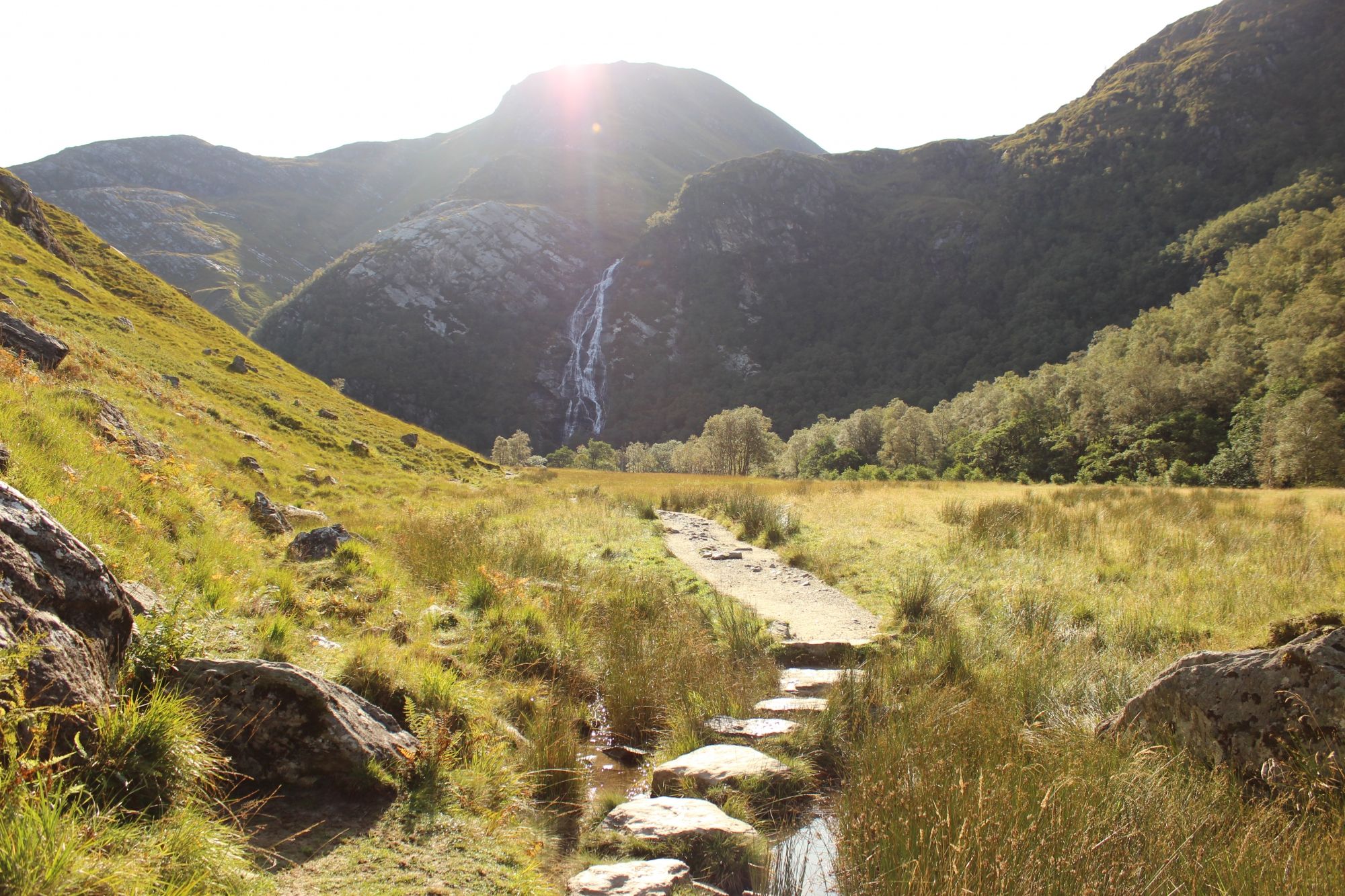
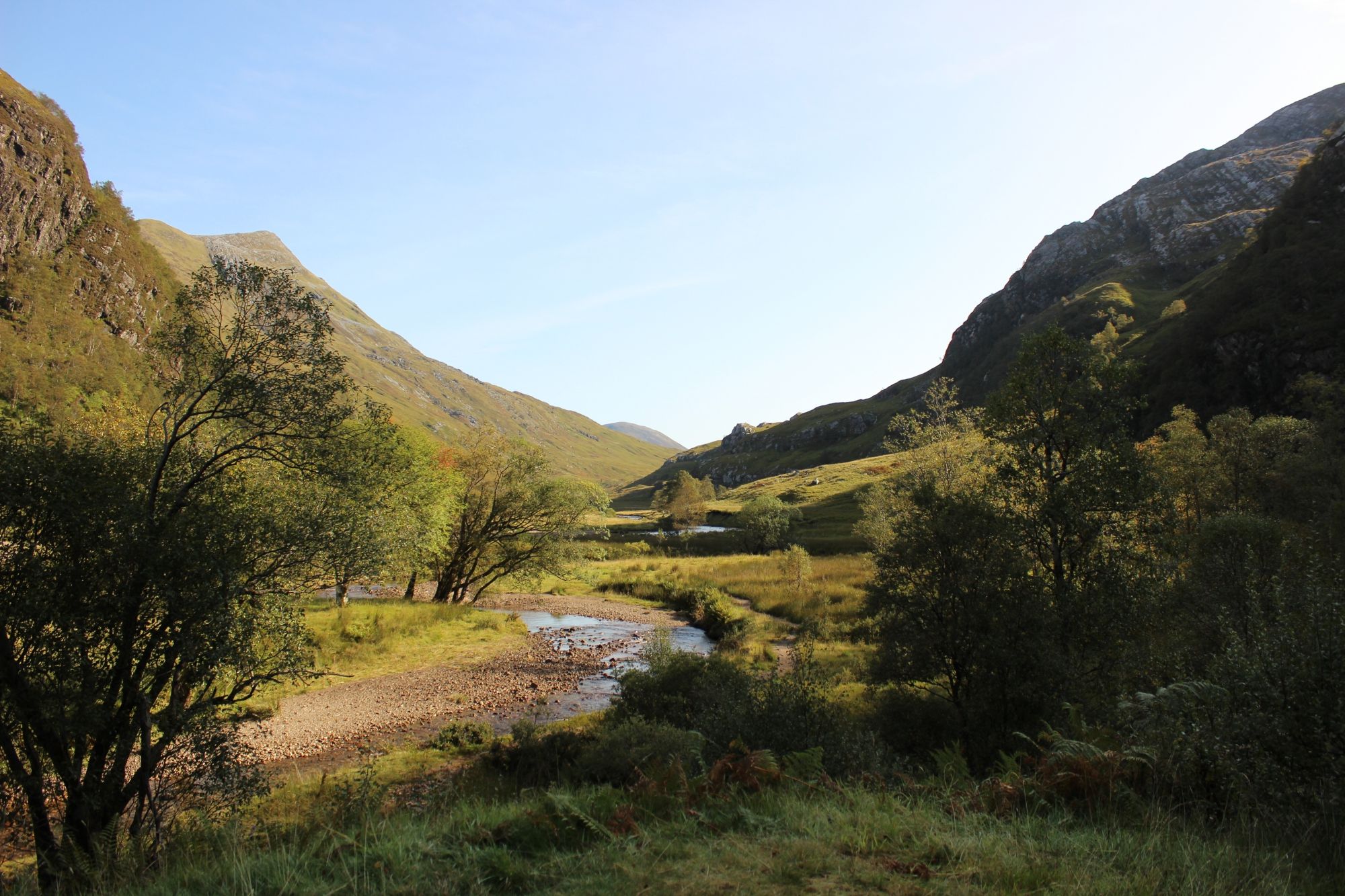
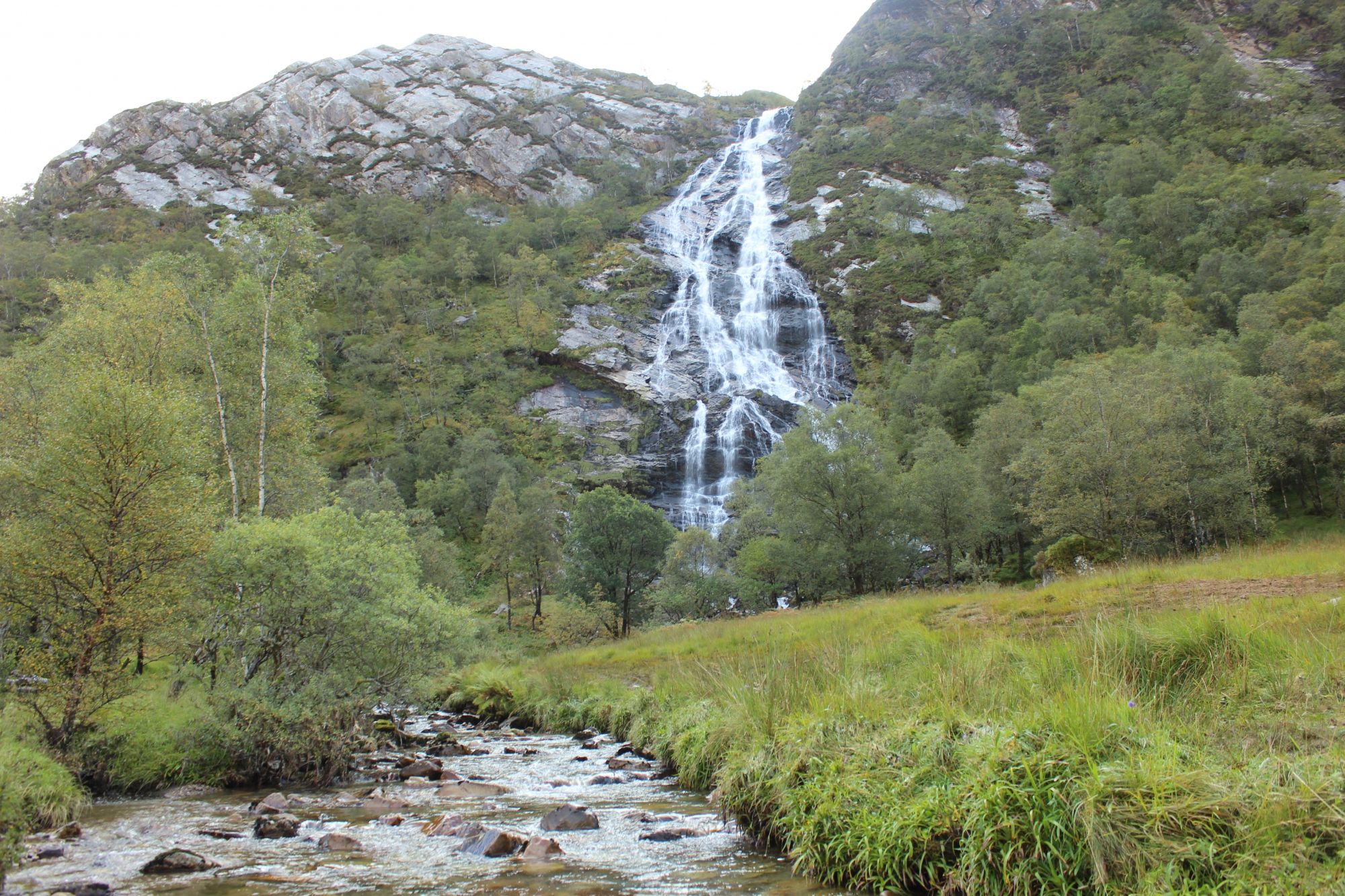
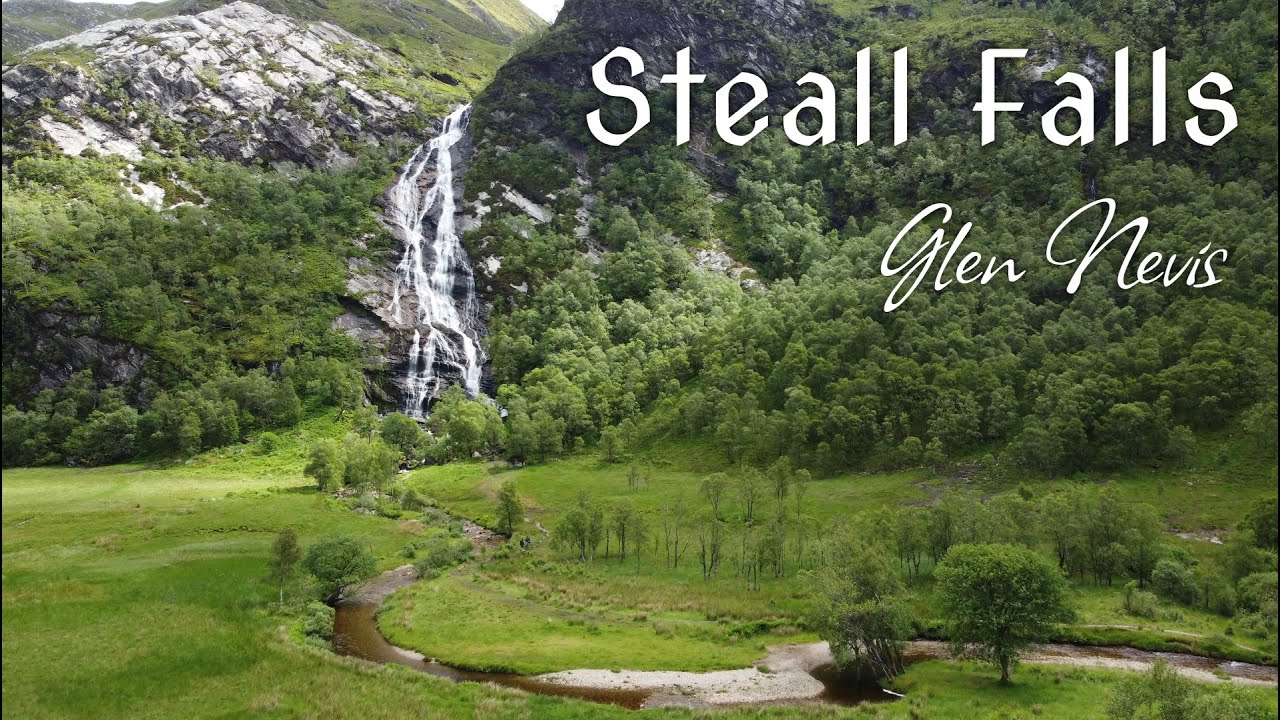
Plummeting defiantly from the high, rain-scoured corries of the Mamores mountain range, Steall Falls—known natively as An Steall Bàn—stands as one of the most visually stunning and geologically significant waterfalls in the United Kingdom. Boasting a spectacular single drop of 120 meters ($390 ext{ feet}$), it ranks as the second-highest waterfall in Scotland. Located within a dramatic glacial hanging valley just south of the massive bulk of Ben Nevis, the waterfall spills from the slopes of An Gearanach into a lush alpine meadow managed by the John Muir Trust. The route to this wilderness sanctuary requires traversing the rugged Nevis Gorge, a deep, wooded chasm carved by the raw power of the Water of Nevis. This mix of dramatic topography and ancient Scots pine woodland has made the location a major magnet for international film productions, wilderness hikers, and independent digital travel storytellers.
The Geological and Cinematic Blueprint: Glacial Hanging Valleys and Hollywood Lore
The striking landscape of Steall Meadows is a classic textbook example of Ice Age geomorphology, offering a unique visual layout that compresses vast vertical scale into a hidden alpine basin:
- The Hanging Valley Dynamics: During the last glacial maximum, a massive glacier carved out the primary trench of Glen Nevis much deeper than the smaller tributary valley of Coire a' Mhail. When the ice retreated, this high side valley was left suspended over the main glen floor, forcing the glacier-fed river to plummet over a near-vertical cliff face to reach the valley bottom.
- Cinematic Heritage: The immense, amphitheater-like scale of the falls and the narrow, claustrophobic paths of the Nevis Gorge have drawn Hollywood location scouts for decades. Most famously, the landscape served as the definitive backdrop for the high-altitude Quidditch matches and the dramatic dragon pursuit sequences in the *Harry Potter* film franchise, cementing its image globally as the ultimate fairytale Highland valley.
- Ecosystem Biodiversity: Under the careful stewardship of the John Muir Trust, the glen serves as a vital sanctuary for native Caledonian flora and fauna. Content creators tracking through the birchwoods frequently observe specialized river birds like dippers working the rapids, while golden eagles and peregrine falcons are regularly seen riding thermals above the sharp ridges of the Mamores.
The Trail Blueprint: Gorge Navigation and River Crossing Realities
The hike to Steall Falls offers a perfect balance of moderate adventure and high reward, though the terrain transitions through several highly technical phases:
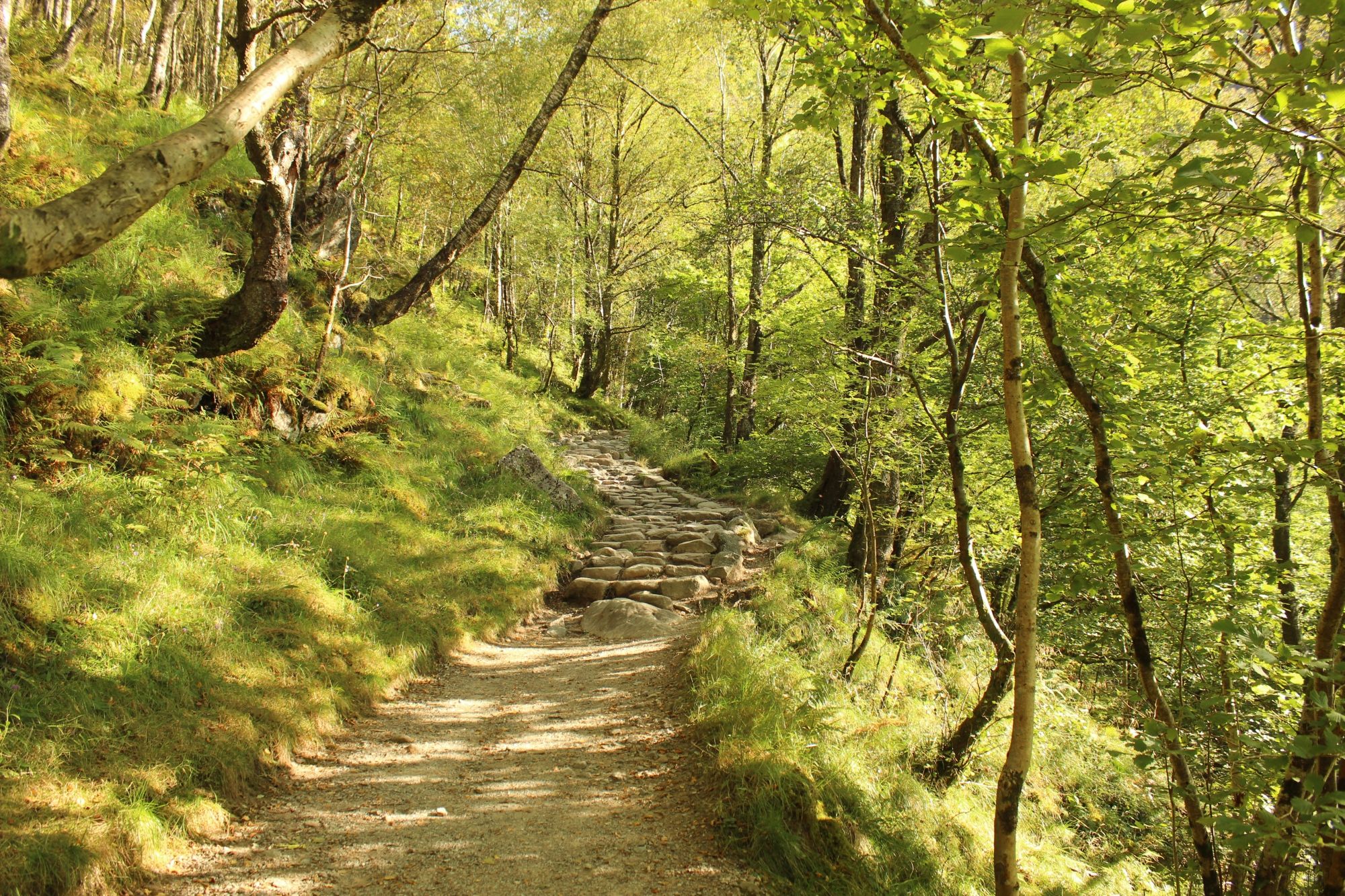
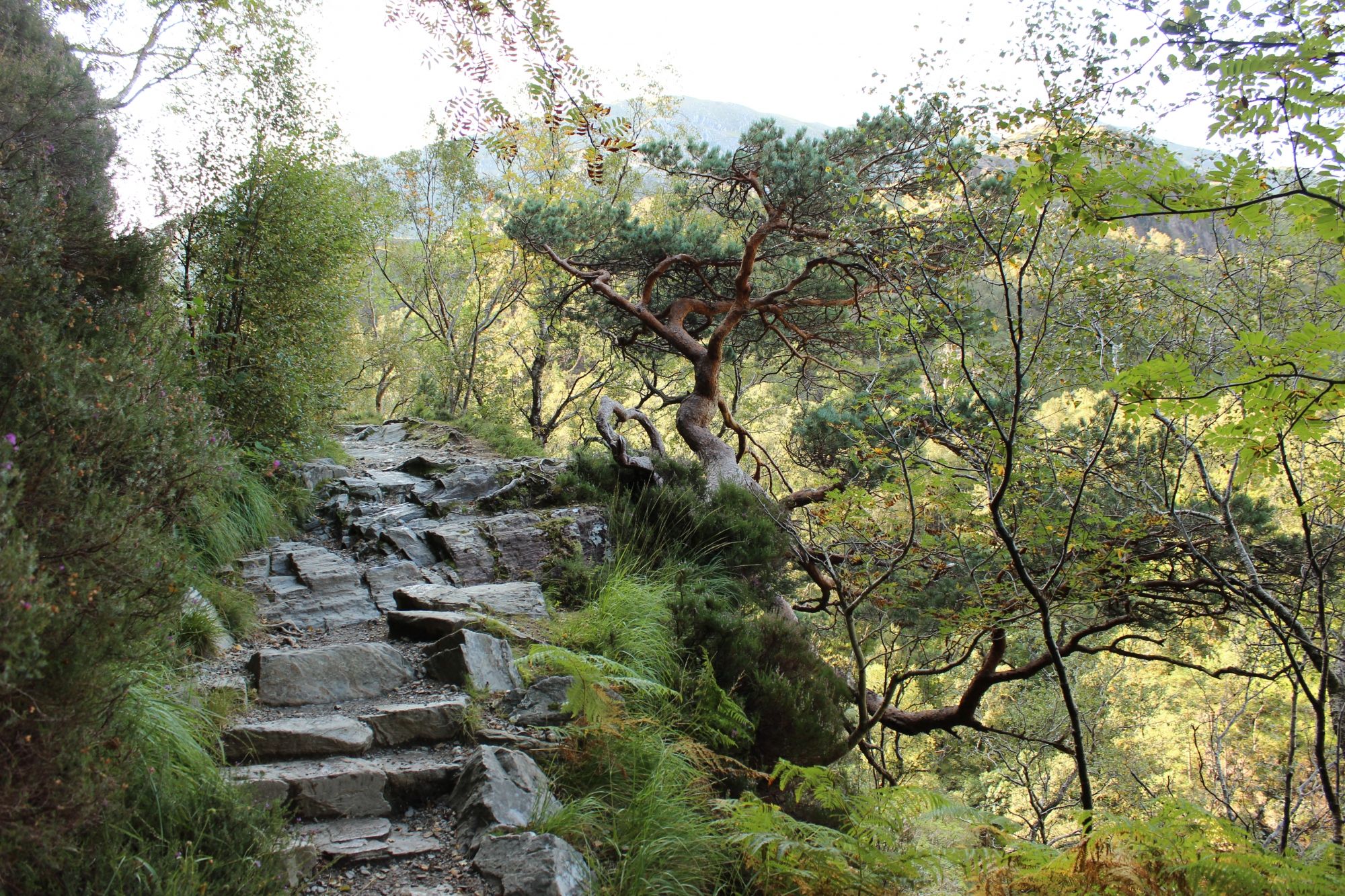
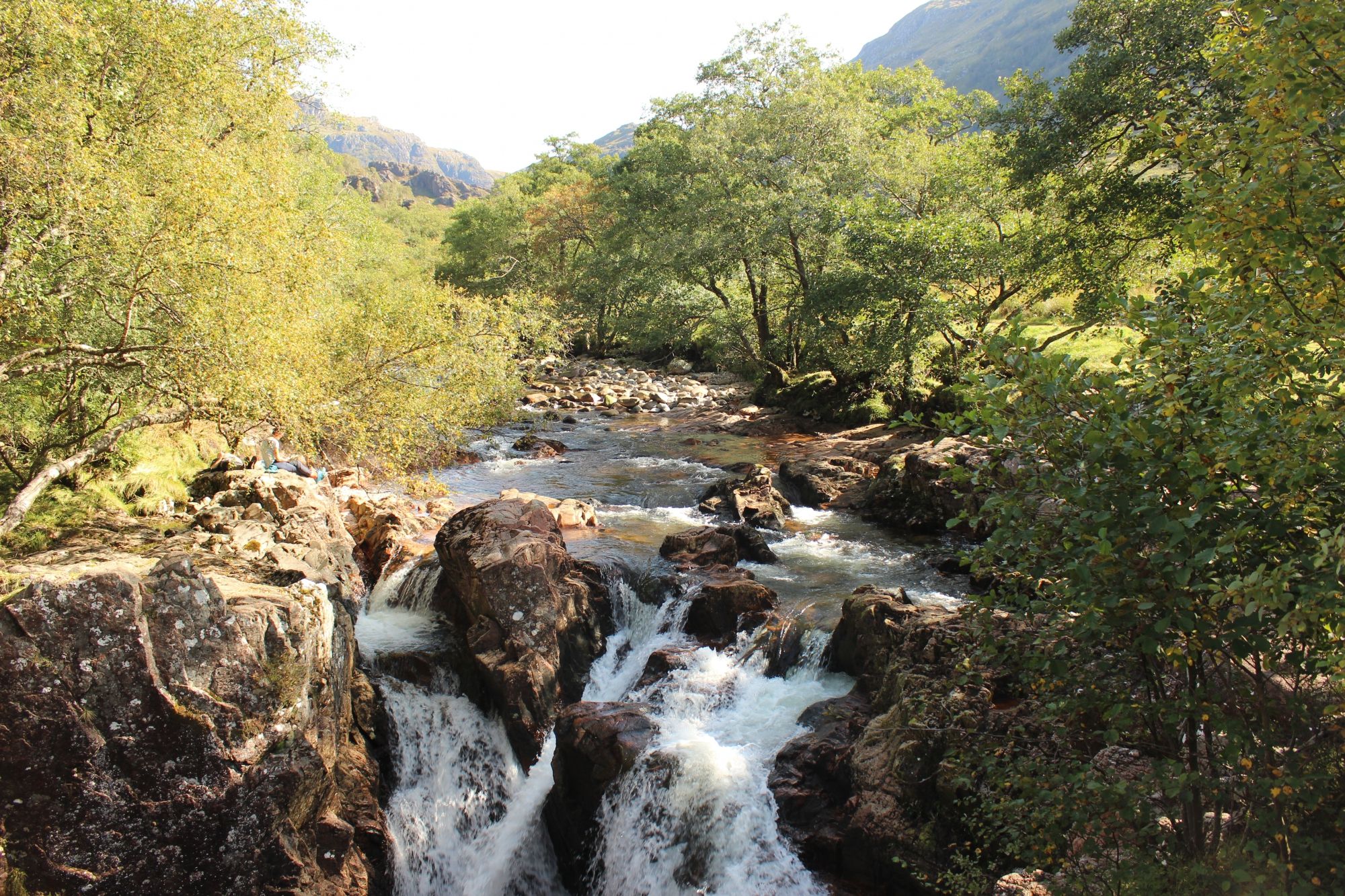
- Nevis Gorge Trail Logistics: The standard out-and-back route is roughly a 2-mile ($3.2 ext{ km}$) round trip that takes most walkers between 1.5 to 2 hours. The path winds through a steeply wooded rock face where the ground is dominated by exposed tree roots, rough stone steps, and polished slabs of bedrock. These stone surfaces become exceptionally slick when coated in mountain mist or heavy rainfall, making supportive trekking boots with deep lug patterns essential.
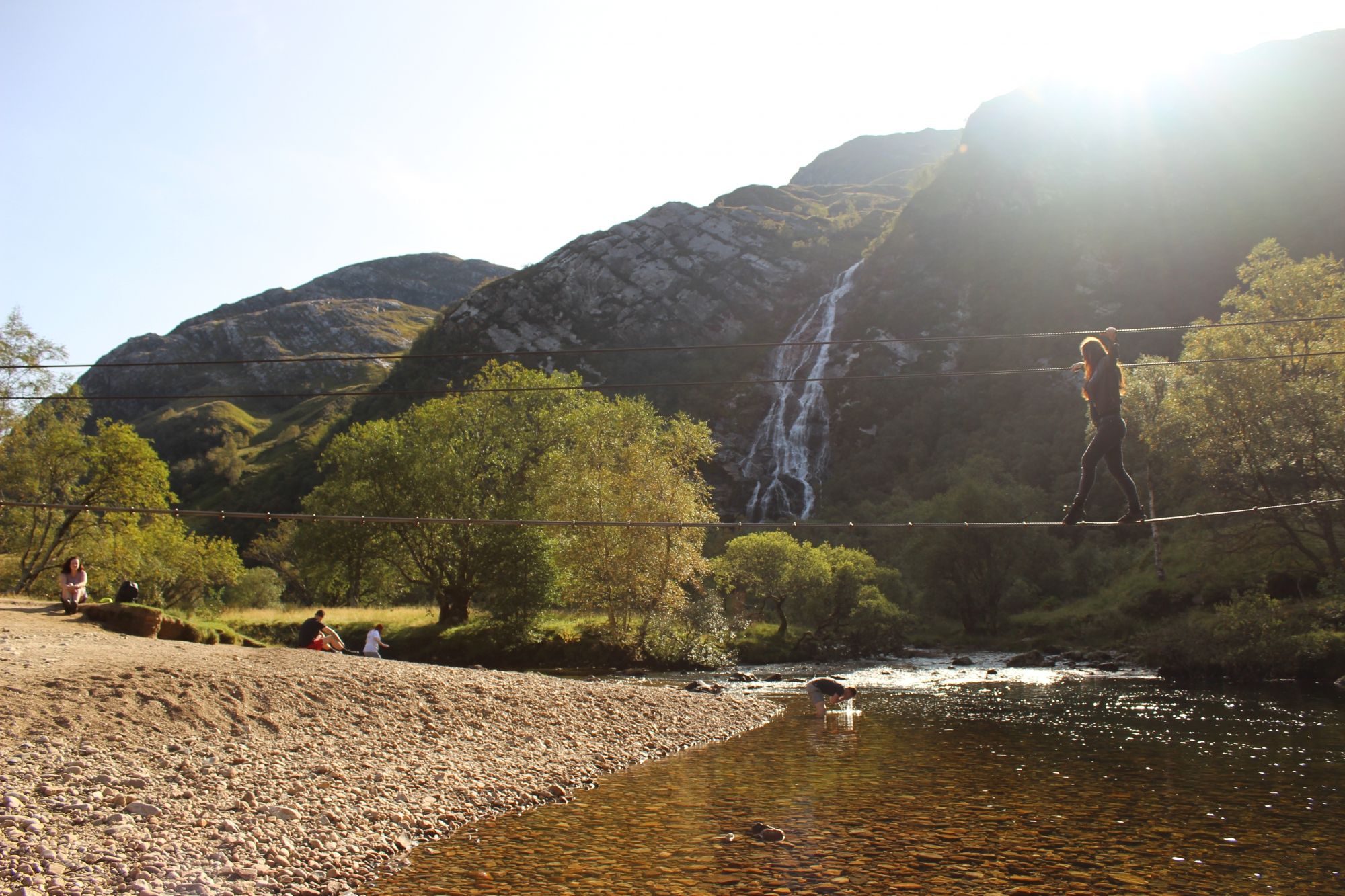
- The Wire Rope Bridge and Wading Alternatives: To reach the very base of the waterfall, hikers must cross the famous, single Steall wire bridge spanning the rushing Water of Nevis. This minimalist structure consists of three steel cables—one for the feet and two for the hands—demanding a steady head for heights and excellent balance. When queues are long or for those traveling with younger companions, wading the river is a viable alternative, provided water levels are low and the current is slow. However, the water is glacier-fed runoff from the surrounding peaks and remains freezing cold, causing immediate numbness.
- Infrastructure and Arrival Constraints: The trail begins at the absolute end of the public Glen Nevis road (the "Road End" car park). This parking facility is highly restricted in size and operates on a strict first-come, first-served basis. By mid-morning on clear days, the lot fills completely, forcing late arrivals to park far down the glen and walk parallel to the road. Arriving at dawn or early evening avoids these logistical bottlenecks.
Cinematography, Audio, and Technical Production Integration
For independent travel filmmakers and landscape photographers, Steall Falls functions as an elite natural studio, presenting extreme dynamic ranges and challenging acoustic environments:
- Balancing Exposure Across White Water and Deep Gorges: The cascading white water of the 120-meter drop reflects intense sunlight, while the dark metamorphic rock faces and deep gorge foliage absorb it heavily. To preserve fine textures in the rushing water without crushing the shadows of the surrounding cliffs, shoot exclusively in a 10-bit log profile. A high-efficiency Circular Polarizer (CPL) is mandatory to eliminate distracting glare from wet boulders and the surface of the river, deepening the rich emerald greens of the alpine meadow.
- Acoustic Isolation of the Mountain Roar: The sonic profile of the hanging valley transitions from the claustrophobic, echo-heavy roar of the river crashing through the Nevis Gorge to a wide, open acoustic space in the meadow, dominated by the deep, percussive thud of the main waterfall. To capture a clean, immersive soundscape, utilize directional shotgun microphones positioned away from wind-funneling rock faces. Enclosing all microphones within a multi-layered fur windjammer (deadcat) is essential; the wind shear coming off the high ridges will easily distort your audio tracks if unprotected.