

The Gateway to the Cuillin: Mastering the Light and Legend of Sligachan Old Bridge
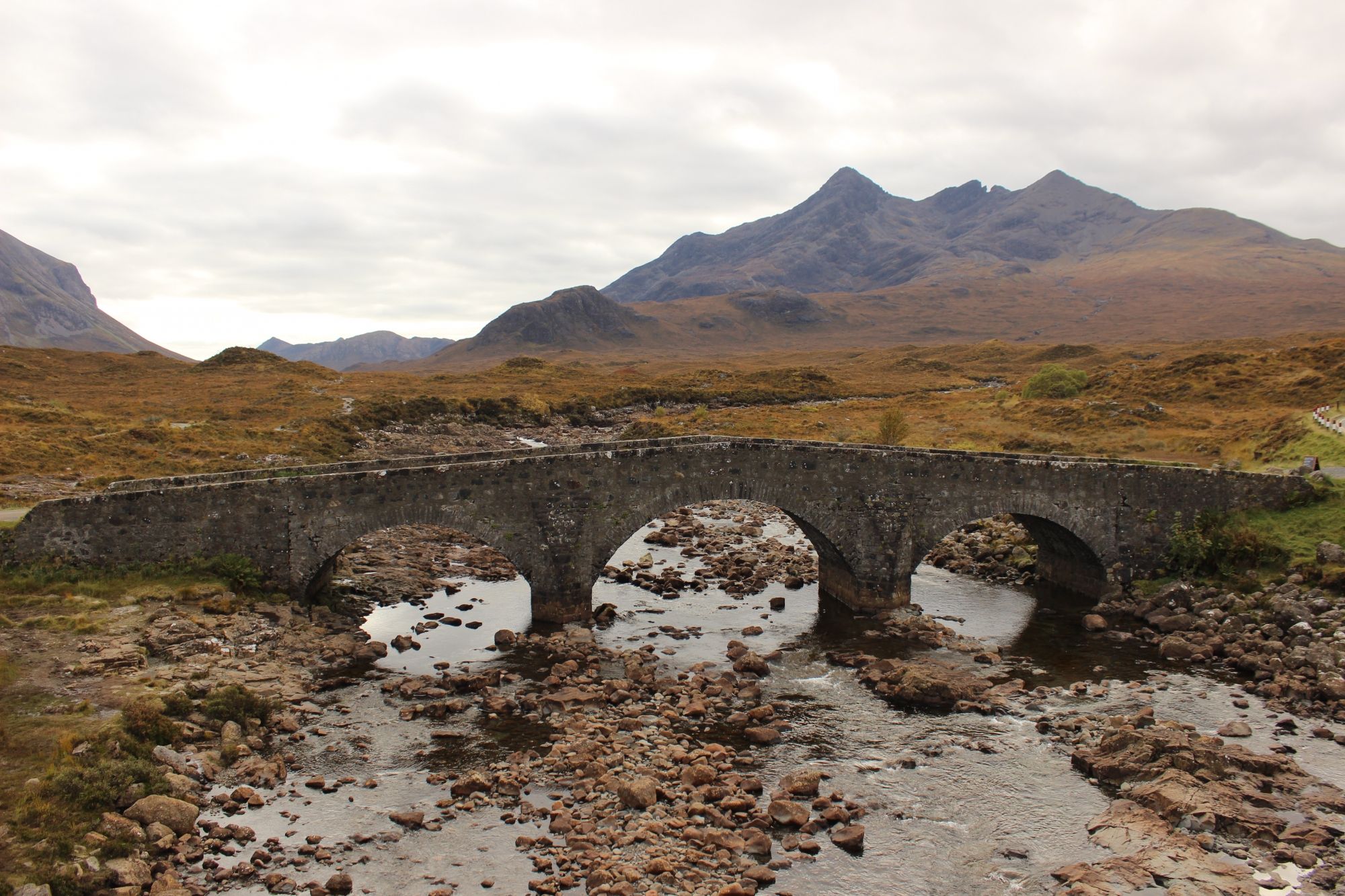
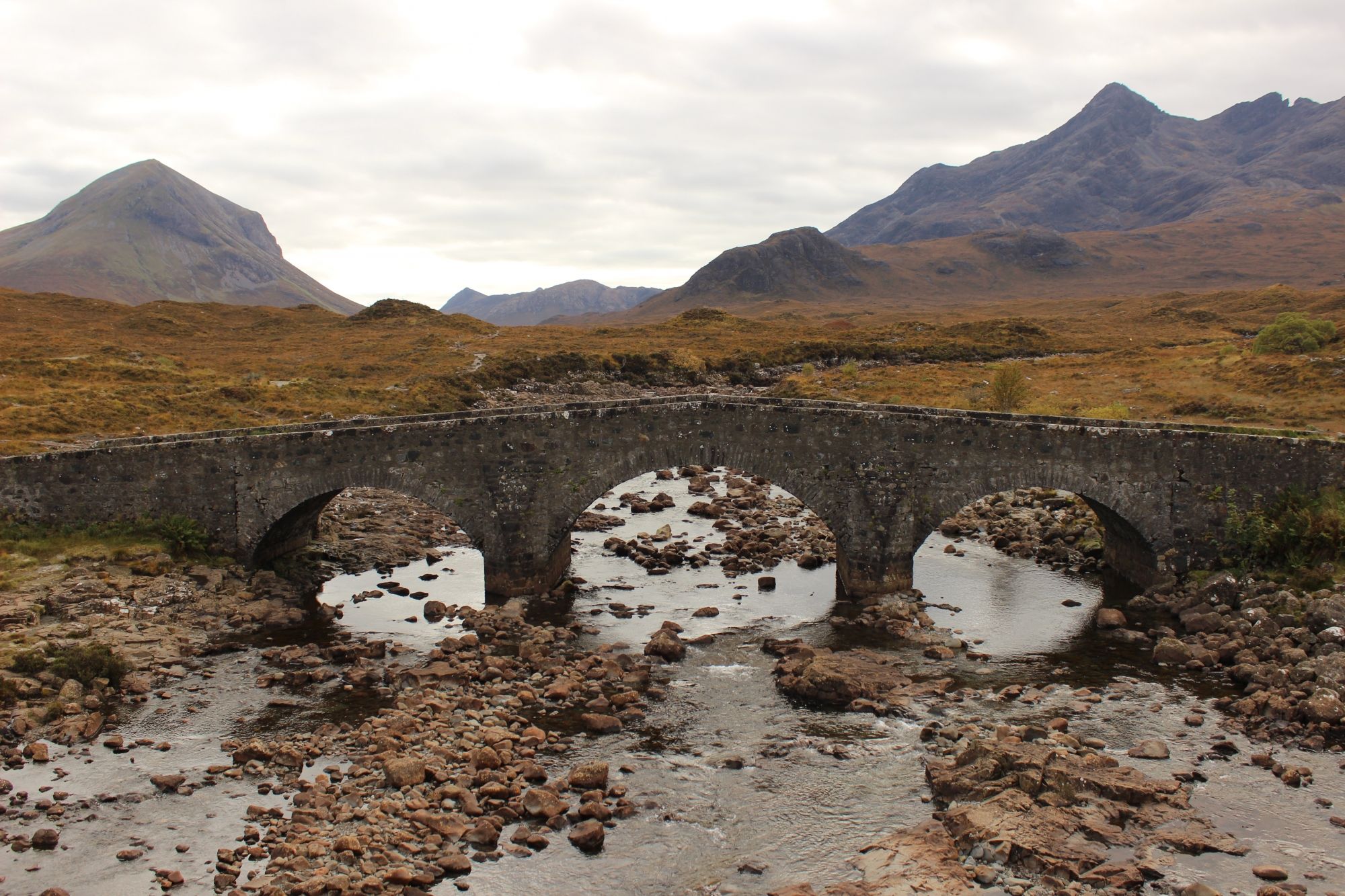
Situated at the vital crossroads of the Isle of Skye, Sligachan Old Bridge stands as a masterpiece of 19th-century civil engineering, meticulously crafted by the legendary Thomas Telford. While the modern road bridge carries the bulk of the island’s traffic, this elegant, arched stone structure remains the spiritual and visual anchor of the central Highlands. Nestled directly at the confluence of the River Sligachan and the Allt Dearg Mòr, the bridge provides the ultimate vantage point toward the dark, jagged monoliths of the Black Cuillin. It is a location steeped in myth—local legend promises eternal beauty to those who submerge their face in the peat-stained waters flowing beneath the bridge—making it a mandatory pilgrimage for travelers seeking both aesthetic perfection and a touch of Highland folklore.
The Landscape Blueprint: Cuillin Alignment and River Dynamics
The bridge acts as a precision optical instrument, framing the surrounding environment into high-contrast zones perfect for cinematic storytelling:
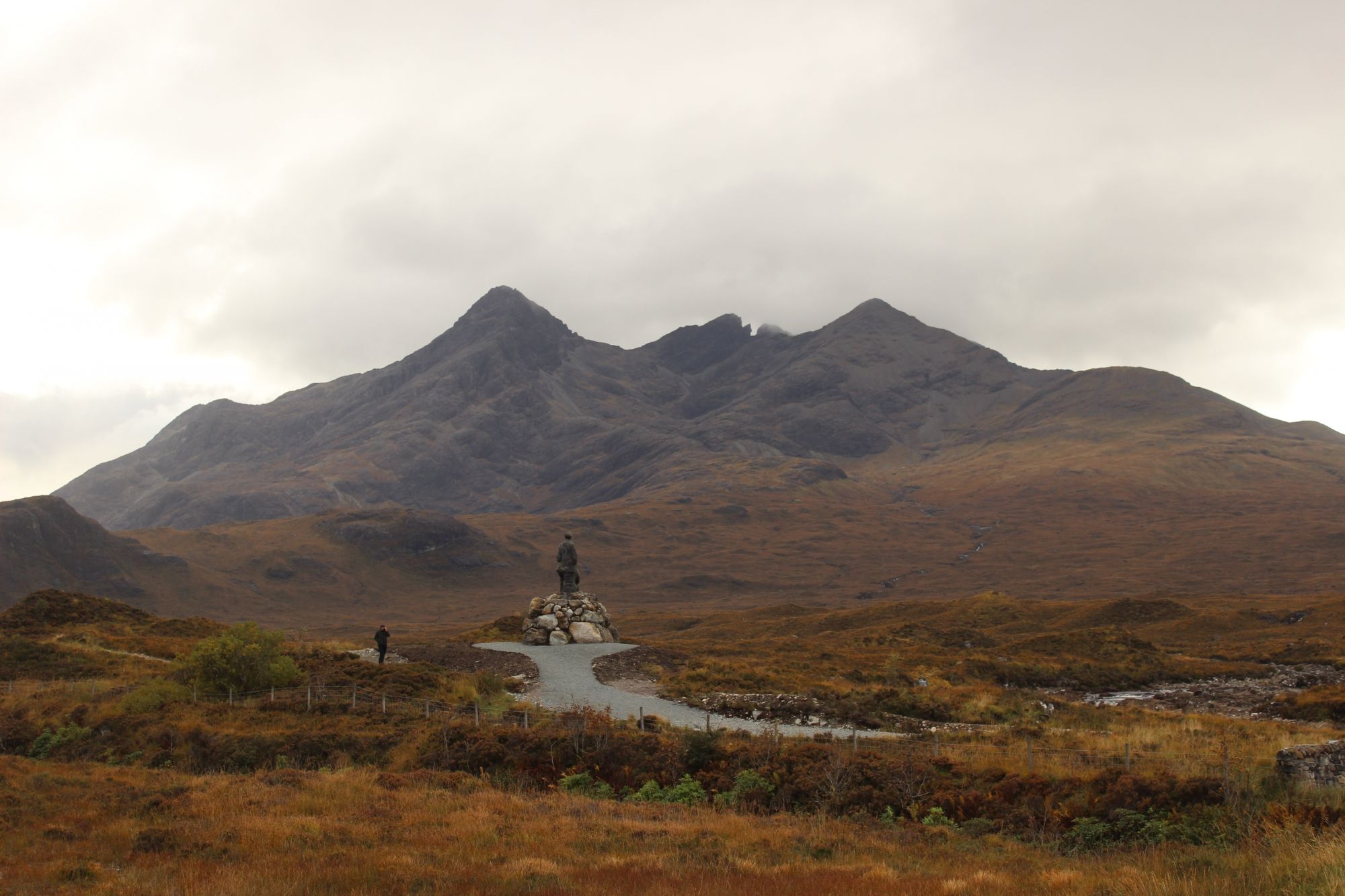
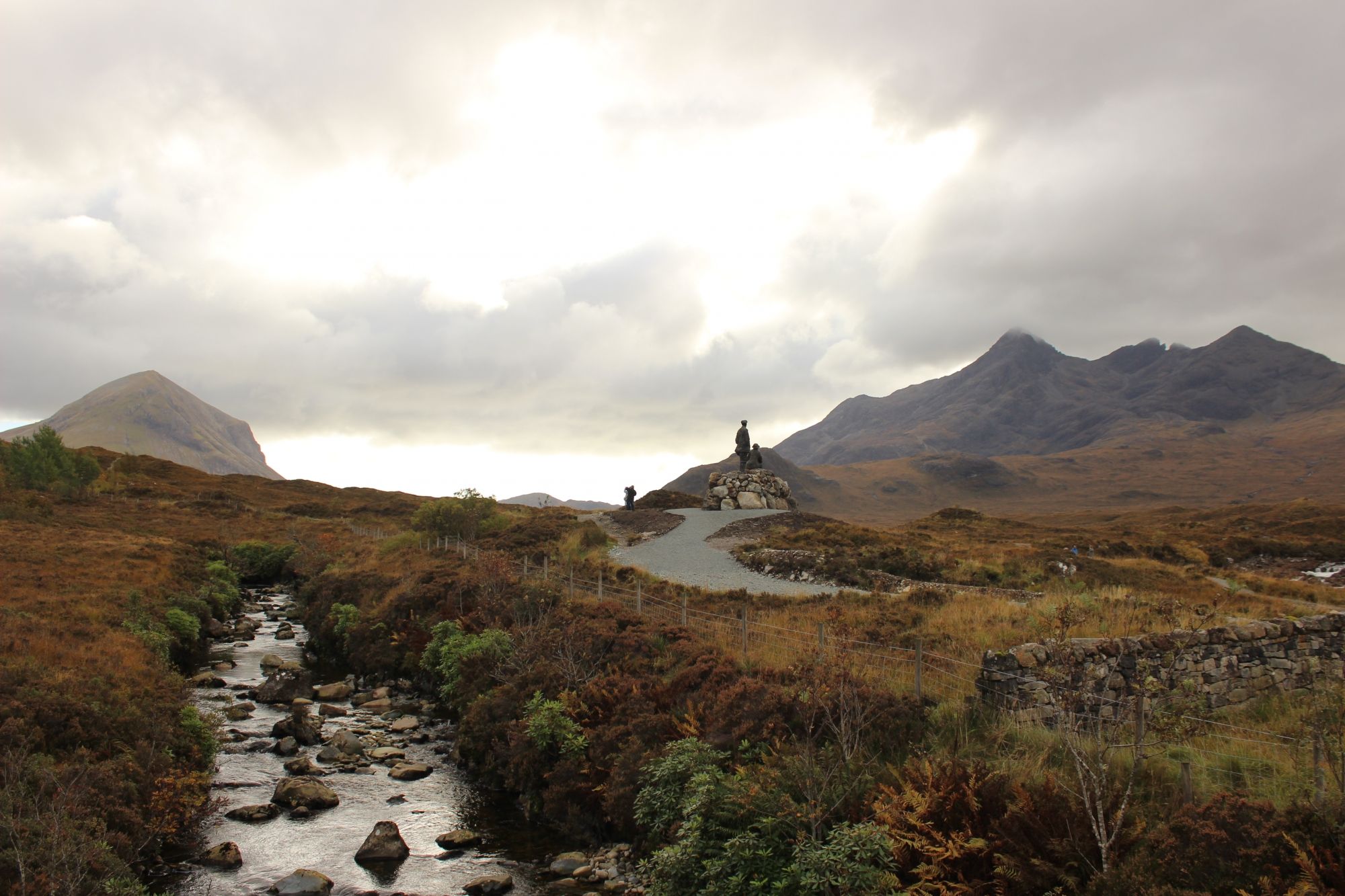
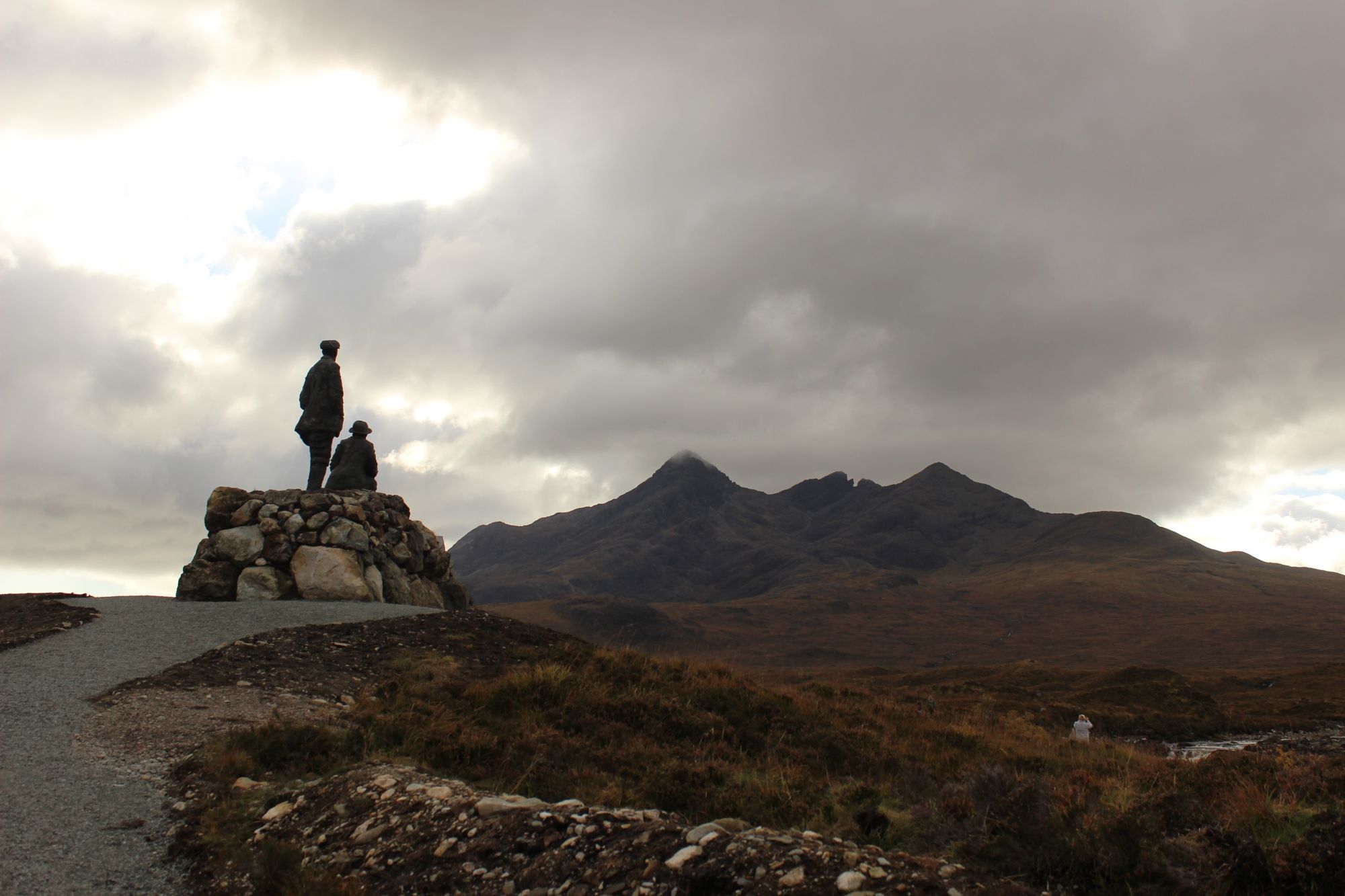
- The Cuillin Alignment: The bridge's arch is perfectly oriented to serve as the leading line for the dramatic peaks of the Black Cuillin. Whether shooting toward the serrated silhouette of Sgùrr nan Gillean or the brooding mass of the Cuillin range, the bridge provides a stable, historic foreground that gives the mountains an immense sense of scale.
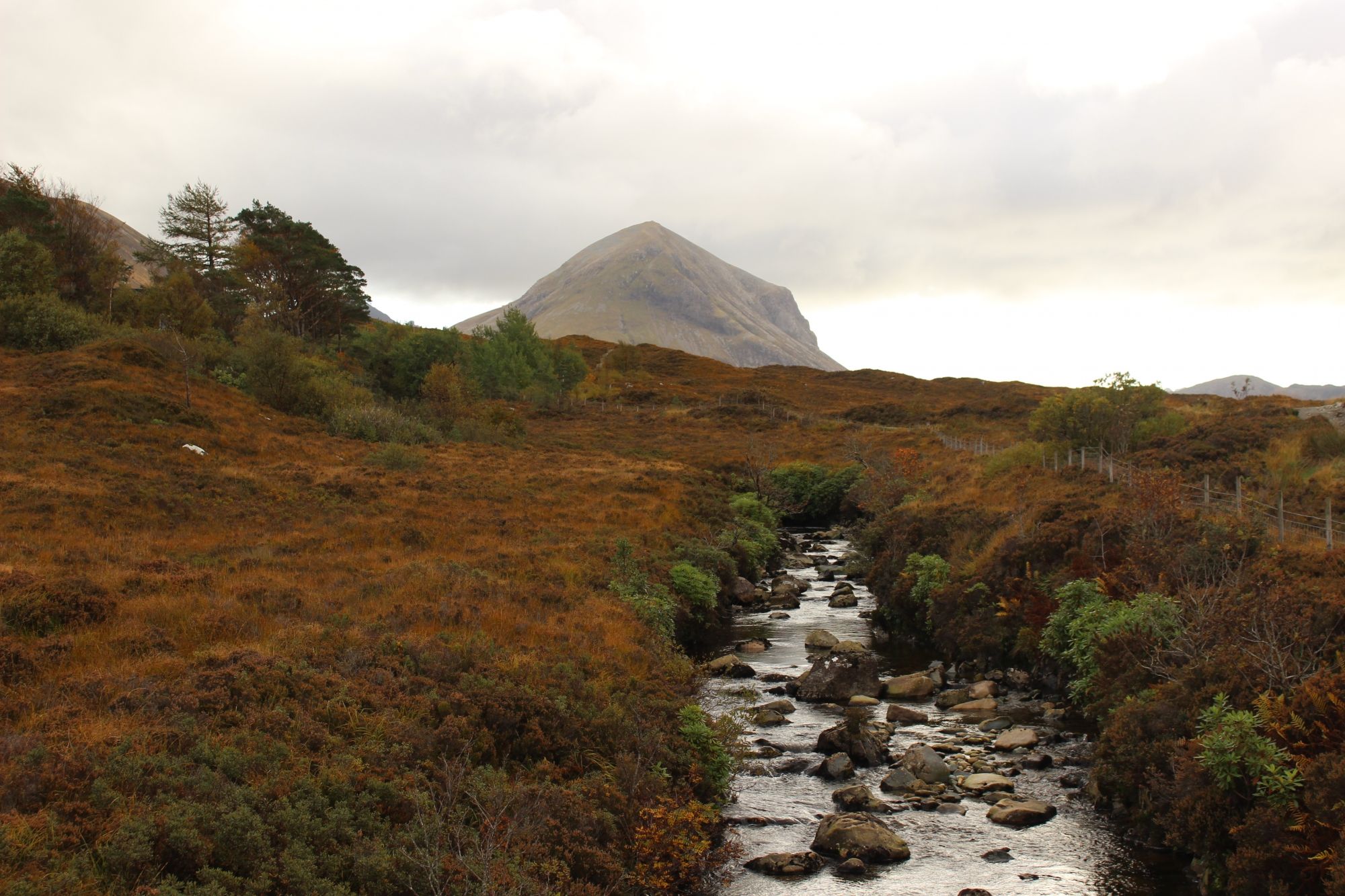
- Tidal and River Hydrology: The River Sligachan is famously "peat-stained," creating a deep, whiskey-colored water that reflects the sky in a way that differs significantly from clearer mountain streams. During heavy rain, the river transforms from a gentle flow into a roaring torrent, requiring careful tripod placement if filming near the riverbank.
- Access and Logistics: The site is exceptionally accessible, located immediately off the A87. A dedicated public parking area and hotel infrastructure are adjacent, but because it is one of the most popular landmarks on the island, the area is frequently crowded. Timing your shoot for the "dead hours" (sunrise or late evening) is the only way to capture the site without other travelers in the frame.
Cinematography, Audio, and Technical Production Integration
For independent filmmakers and landscape photographers, Sligachan Old Bridge acts as a high-production studio, demanding precise control over environmental reflections and acoustic isolation:
- Managing Alpine Contrast and Water Reflectivity: The deep, rich color of the peat-stained water creates a highly reflective surface that can easily wash out in bright, overcast conditions. Using a high-efficiency Circular Polarizer (CPL) is essential to cut through the surface glare, allowing the camera to see the stones and texture of the riverbed beneath the dark water. For the most cinematic output, shoot during the late afternoon; the low, directional light emphasizes the individual textures of the hand-hewn bridge stones while casting deep, dramatic shadows against the mountain ridges. Pair this with a variable ND filter to allow for wide apertures ($f/1.8$ to $f/2.8$), rendering the distant Cuillin into a soft, textured backdrop while keeping the bridge’s masonry in razor-sharp focus.
- Acoustic Mapping and Wind Defense: The Sligachan valley acts as a natural wind tunnel, channeling powerful Atlantic gusts directly toward the Cuillin peaks. To capture the pure, atmospheric audio of the river—the bubbling of the water against the bridge supports or the wind whistling through the stone arches—place field recorders within the sheltered lee of the bridge structure itself. Enclosing your microphones in a high-density fur windjammer is non-negotiable; even a "breezy" day can create enough noise to distort the delicate, low-frequency sounds of the Highland river.
Conclusion: The Timeless Arch of the Isle
Sligachan Old Bridge represents the intersection of human history and raw, volcanic majesty. By linking the elegant geometry of Telford’s stone arch with the chaotic, serrated skyline of the Black Cuillin, this Skye treasure remains an essential sanctuary for every creator. It is an enduring icon of the Highlands—a place where legend and landscape collide, rewarding those who take the time to look beneath the surface of its dark, singing waters.