

The Crowning Place: Immersing in the Royal Heritage and Gothic Grandeur of Scone Palace
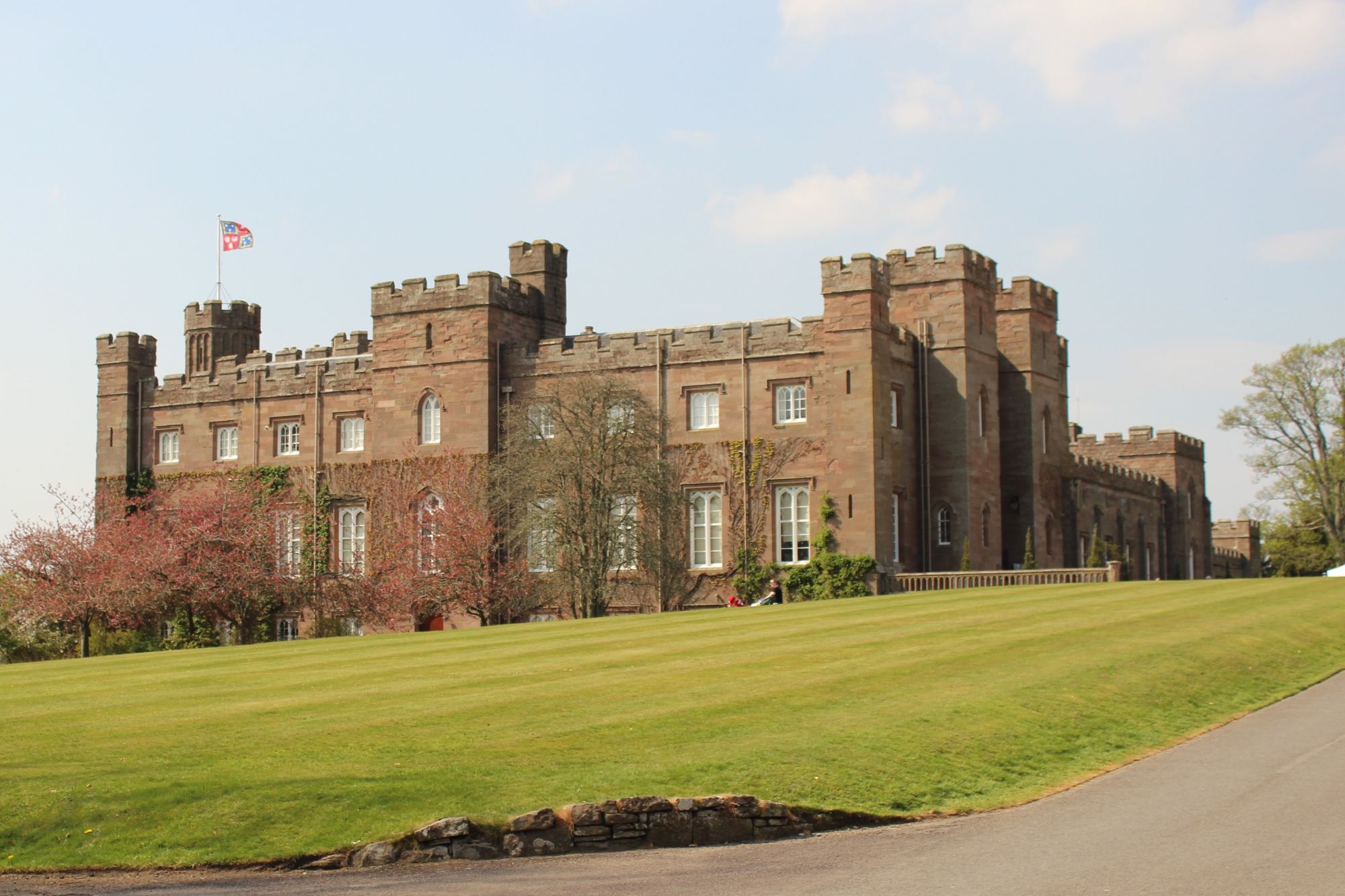
Steeped in over a millennium of royal history on the fertile banks of the River Tay, Scone Palace stands as one of Scotland's most sacred and culturally monumental estates. As the ancient crowning place of Scottish monarchs—including iconic figures like Macbeth, Robert the Bruce, and Charles II—this breathtaking destination is the true historic home of the legendary Stone of Scone (the Stone of Destiny). The current palace is a triumphant masterpiece of early 19th-century Gothic Revival architecture, boasting a striking castellated red-stone facade flanked by expansive, meticulously manicured grounds. For independent travel filmmakers, history enthusiasts, and landscape photographers, Scone Palace serves as a world-class historical studio where the profound legacy of Scotland’s kings intersects with vibrant, living landscapes.
The Geography of a Royal Estate: From Staterooms to the Murray Star Maze
The physical layout of the Scone Palace estate is beautifully structured to offer an immersive, multi-layered journey through historic architecture and complex garden geometry:
- The Gothic Staterooms: Inside the palace, visitors navigate a spectacular sequence of grand rooms, including the magnificent Long Gallery. The interiors are packed with priceless French furniture, exquisite ivory carvings, historic porcelain, and the unique bed needlework crafted by Mary, Queen of Scots during her imprisonment at Lochleven Castle.
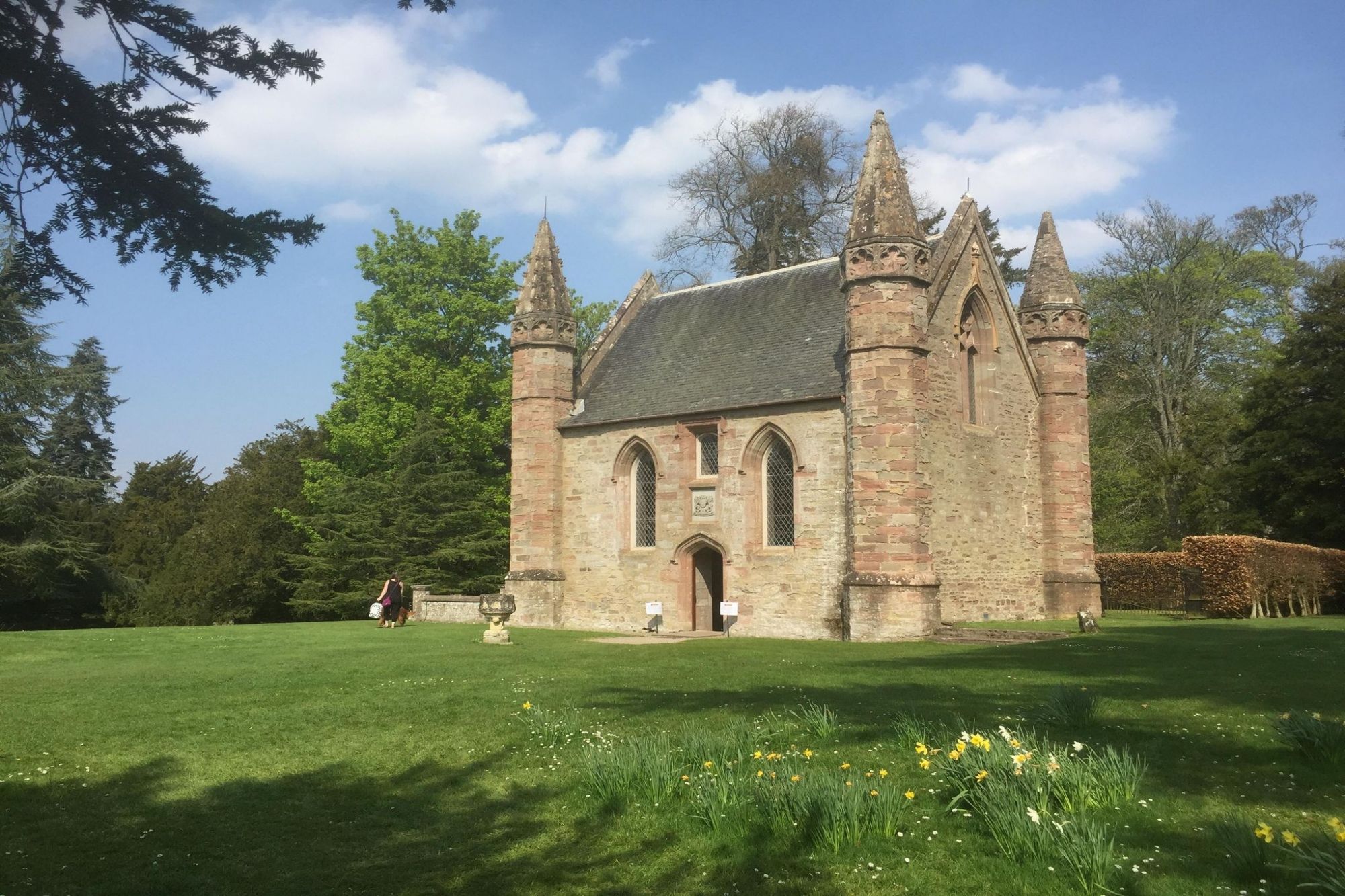
- Moot Hill and the Stone of Destiny: Directly facing the palace is the historic Moot Hill, the precise mound where ancient kings were crowned while seated upon the Stone of Destiny. Today, a finely detailed replica of the sacred stone sits outside the small Presbyterian chapel, providing a profound, high-contrast focal point for deep historical framing.
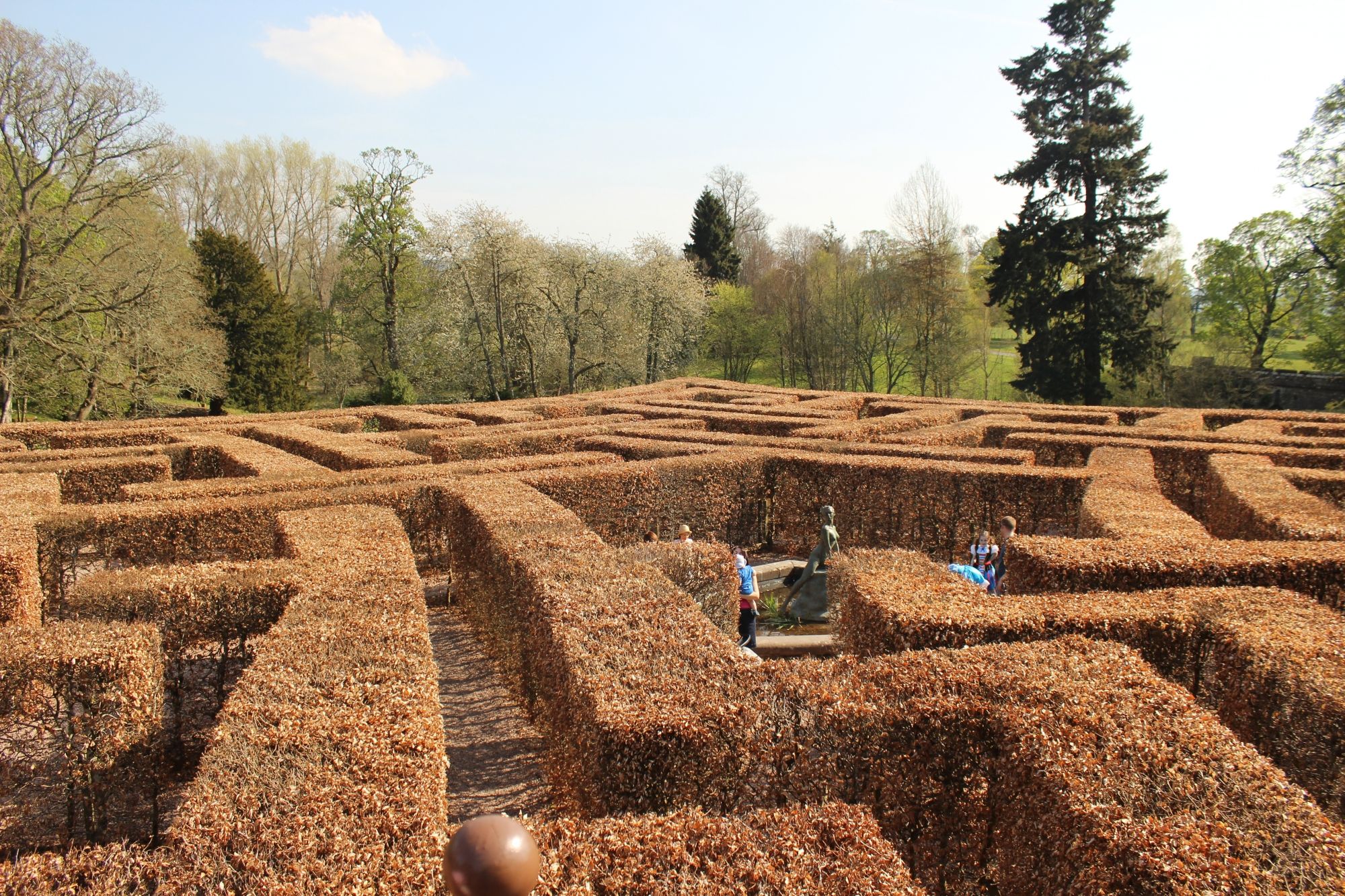
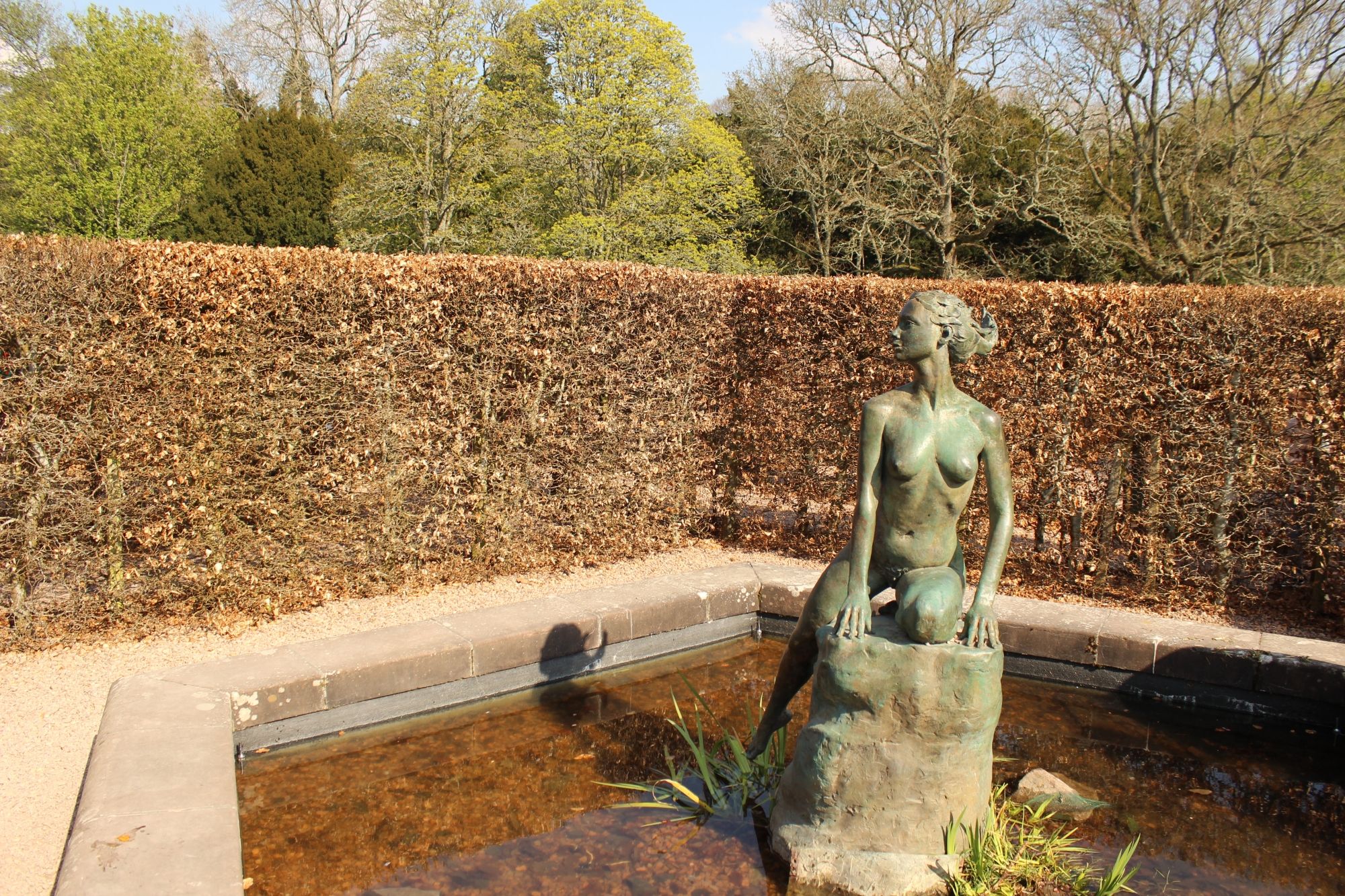
- The Murray Star Maze: Tucked into the extensive grounds is a unique, two-thousand-tree Murray Star Maze, beautifully designed in the shape of the family’s heraldic star. Its intricate, geometric paths offer an incredible graphic pattern that provides a sharp contrast to the flowing, natural layout of the surrounding pinetum.
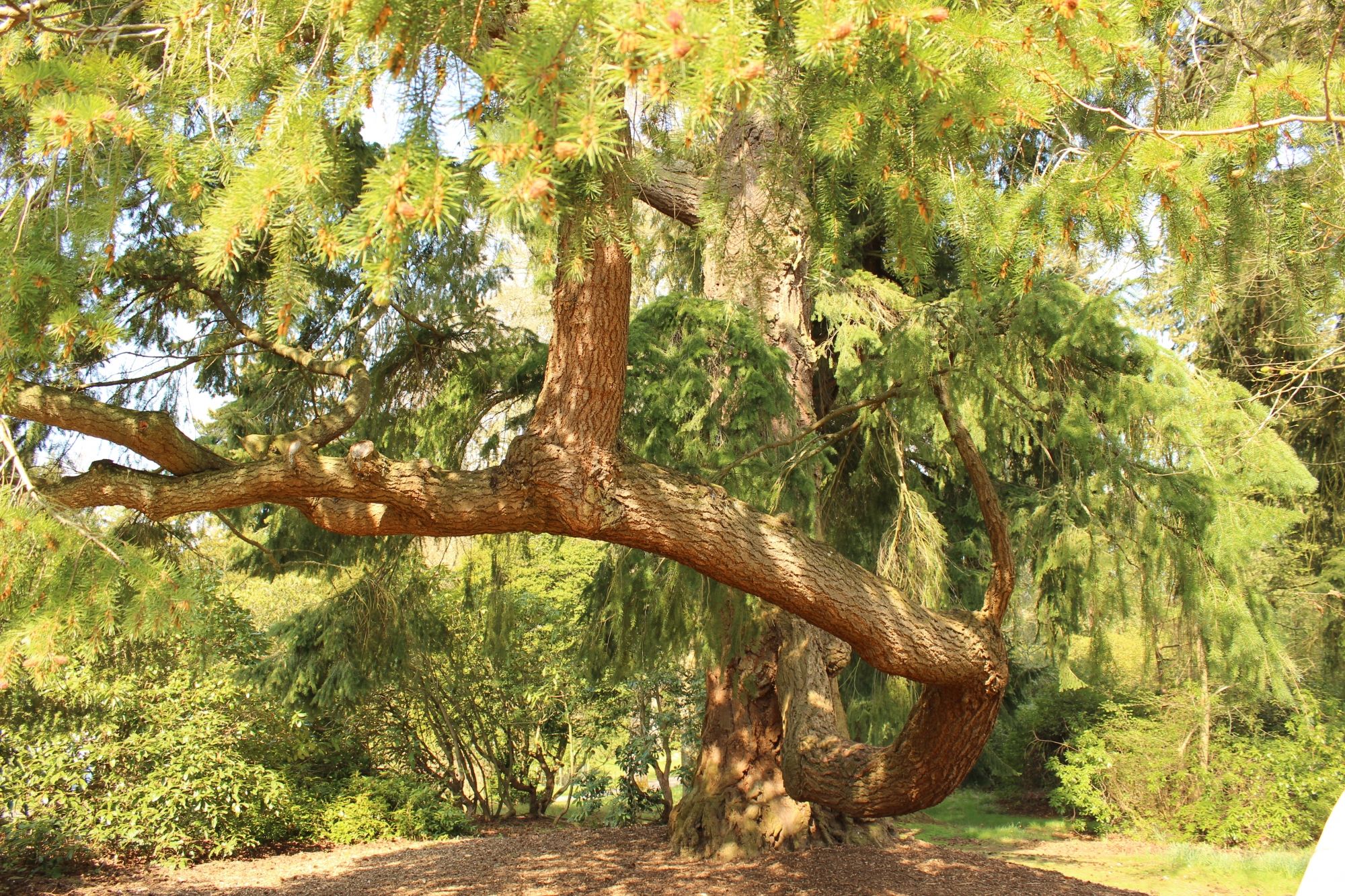
- The Pinetum and Grounds: The palace is enveloped by stunning parklands featuring an exceptional collection of towering conifers, including historic Douglas firs grown from seeds originally sent from North America by David Douglas himself. Peacocks freely roam the lawns, adding vibrant splashes of iridescent color to the deep green landscape.
Practical Amenities and Visitor Logistics
The palace is exceptionally well-organized and highly user-friendly, operating as a premium day-trip destination with comprehensive guest infrastructure:
- Access and Parking: Located just a short two-mile drive north of the city of Perth off the A93 road, the estate is highly accessible from Edinburgh and Glasgow. Visitors are welcomed by a sprawling, well-maintained dedicated parking lot capable of accommodating large volumes of traffic, making it a stress-free launch point for morning production tracks.
- On-Site Services: Scone Palace features a highly rated on-site restaurant and coffee shop located within the historic servants' quarters, famous for its freshly baked, traditional Scone scones. Two beautifully curated gift shops provide high-quality Scottish crafts, local food items, and exclusive palace souvenirs. Clean, modern public toilets are fully accessible on the grounds.
- Seasonal Scheduling: The palace interiors and main grounds operate on a seasonal schedule, typically welcoming the public from spring through late autumn. Reviewing official calendar openings before arrival is highly recommended to plan interior filming sessions around seasonal closures.
Essential Creator and Media Production Advice
- Cinematography and Exposure Control: For independent travel vloggers and digital content creators, Scone Palace offers a magnificent visual palette. The red sandstone architecture can shift dramatically in appearance depending on the sky conditions. Under a bright, cloudless sky, the contrast between the dark red stone and the brilliant green lawns requires precise exposure management. Utilizing a high-efficiency Circular Polarizer (CPL) is critical to eliminate harsh leaf glare from the ancient trees and deepen the rich, warm tones of the masonry. To create a deeply cinematic narrative track, schedule camera movements during the late afternoon golden hour, which brings out the glowing, fiery amber hues of the Gothic facade.
- Interior Lighting Challenges: Filming inside the palace staterooms requires careful technical adaptation due to strict preservation guidelines and low-light environments. To protect the fragile historic textiles and paintings, flash photography and continuous studio lighting are strictly prohibited. Visual creators must rely on fast prime lenses ($f/1.4$ to $f/2.0$) paired with a camera body that handles higher ISO settings cleanly to maintain sharp, low-noise details of the intricate woodwork and royal portraits.
- Acoustic Mapping and Sound Isolation: The expansive grounds and open parklands are frequently swept by brisk valley winds coming off the River Tay. To capture the pure, atmospheric audio of the location—such as the unique, haunting calls of the roaming peacocks and the gentle rustle of the ancient firs—set up a field recorder equipped with a professional, multi-layered fur windjammer in the sheltered lee of the palace walls or within the deep trenches of the Murray Star Maze. This cleanly isolates the delicate historical atmosphere from ambient wind distortion.
Conclusion: The Ultimate Heart of Scottish History
Scone Palace represents the absolute pinnacle of Scotland's grand stately heritage. By flawlessly matching its monumental, king-making history with a spectacular Gothic Revival facade, an intricate star maze, and exceptional visitor amenities, this Perthshire treasure leaves an indelible mark on every creative explorer. It remains a timeless, essential sanctuary—a brilliant, light-filled arena where the ancient whispers of Scotland’s monarchs seamlessly blend with the natural beauty of the Tay Valley, rewarding those who come to walk in the footsteps of kings.