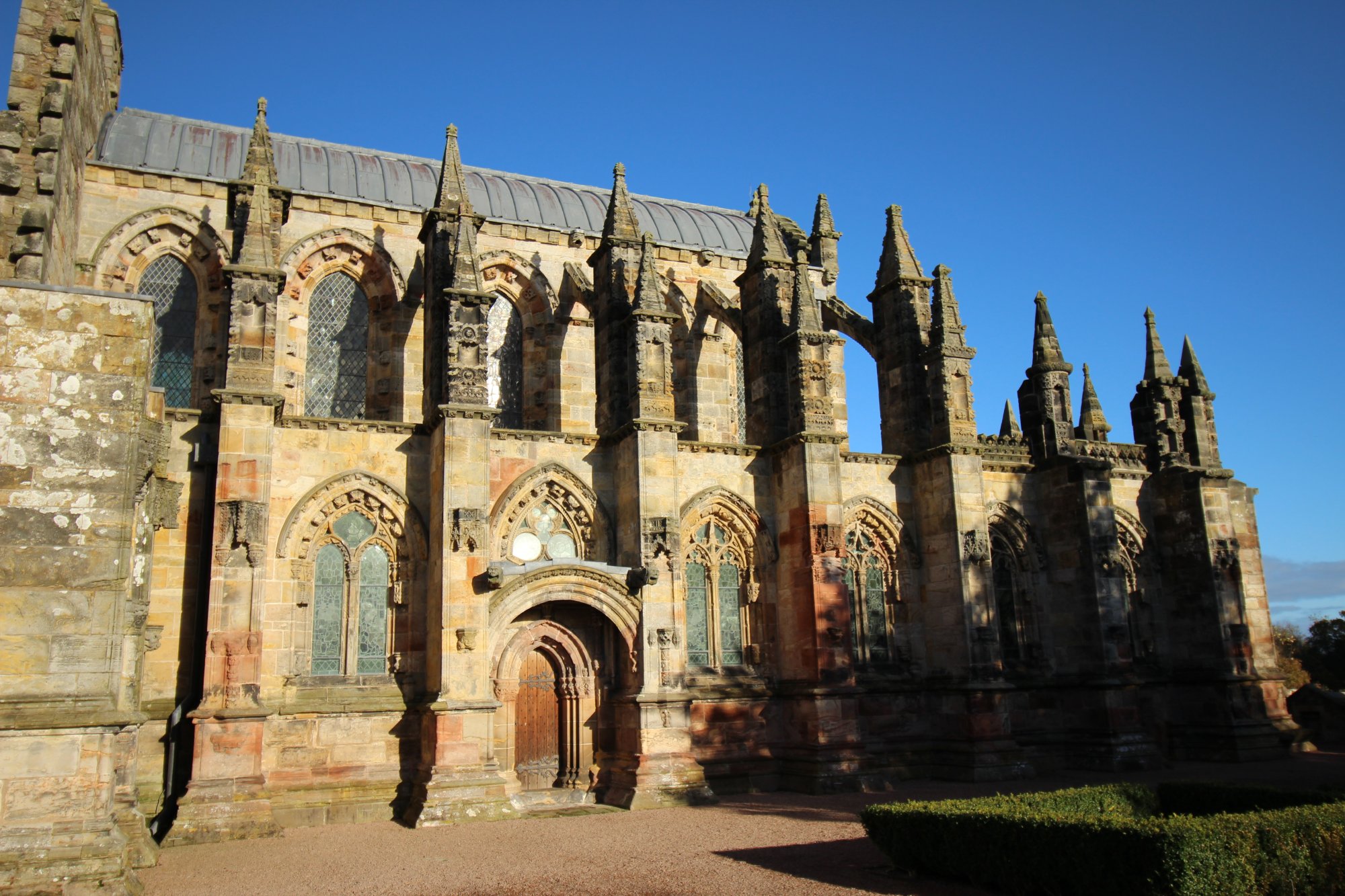


The Stone Bible: Unlocking the Medieval Codes and Architectural Wonders of Rosslyn Chapel
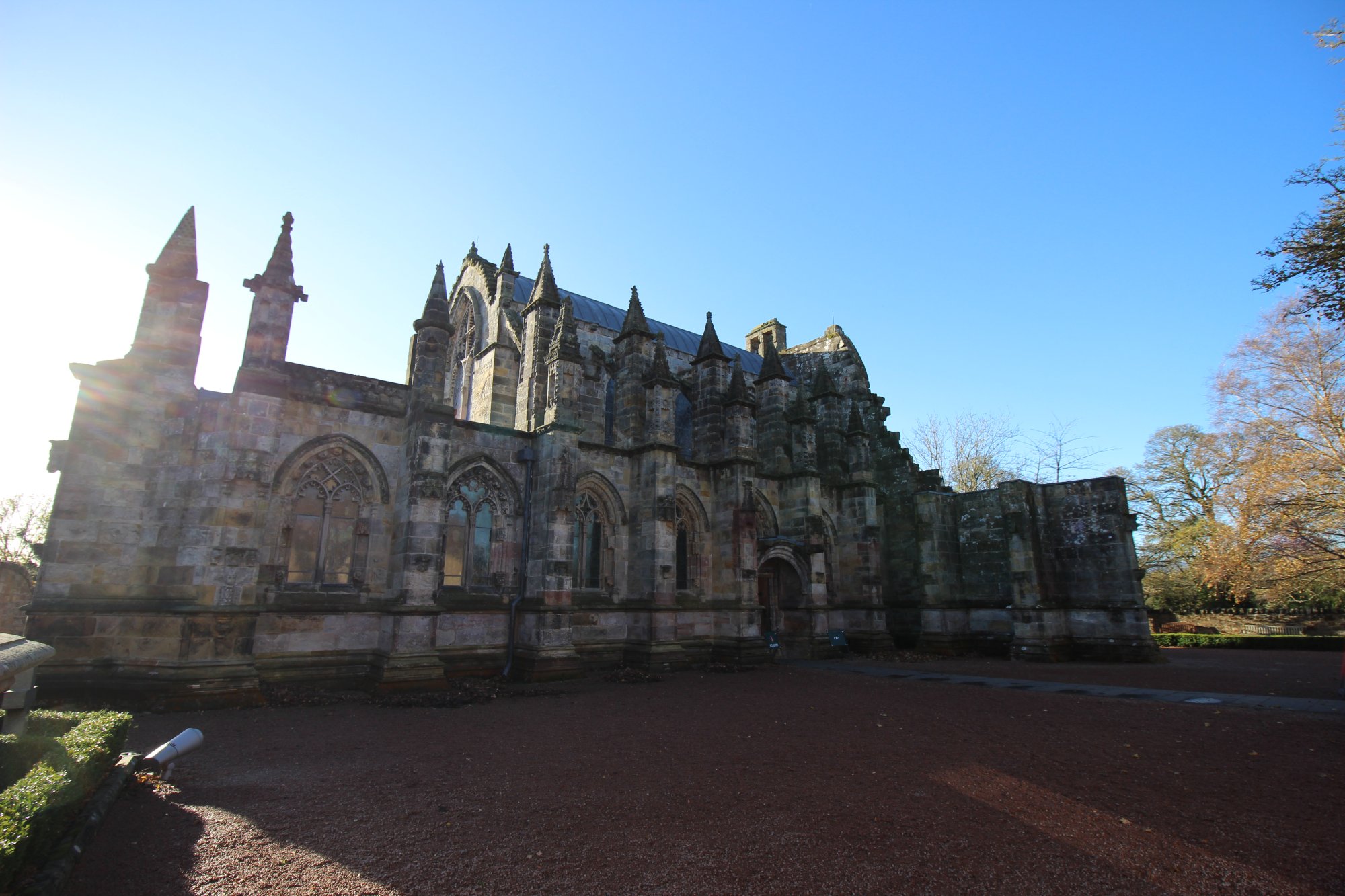
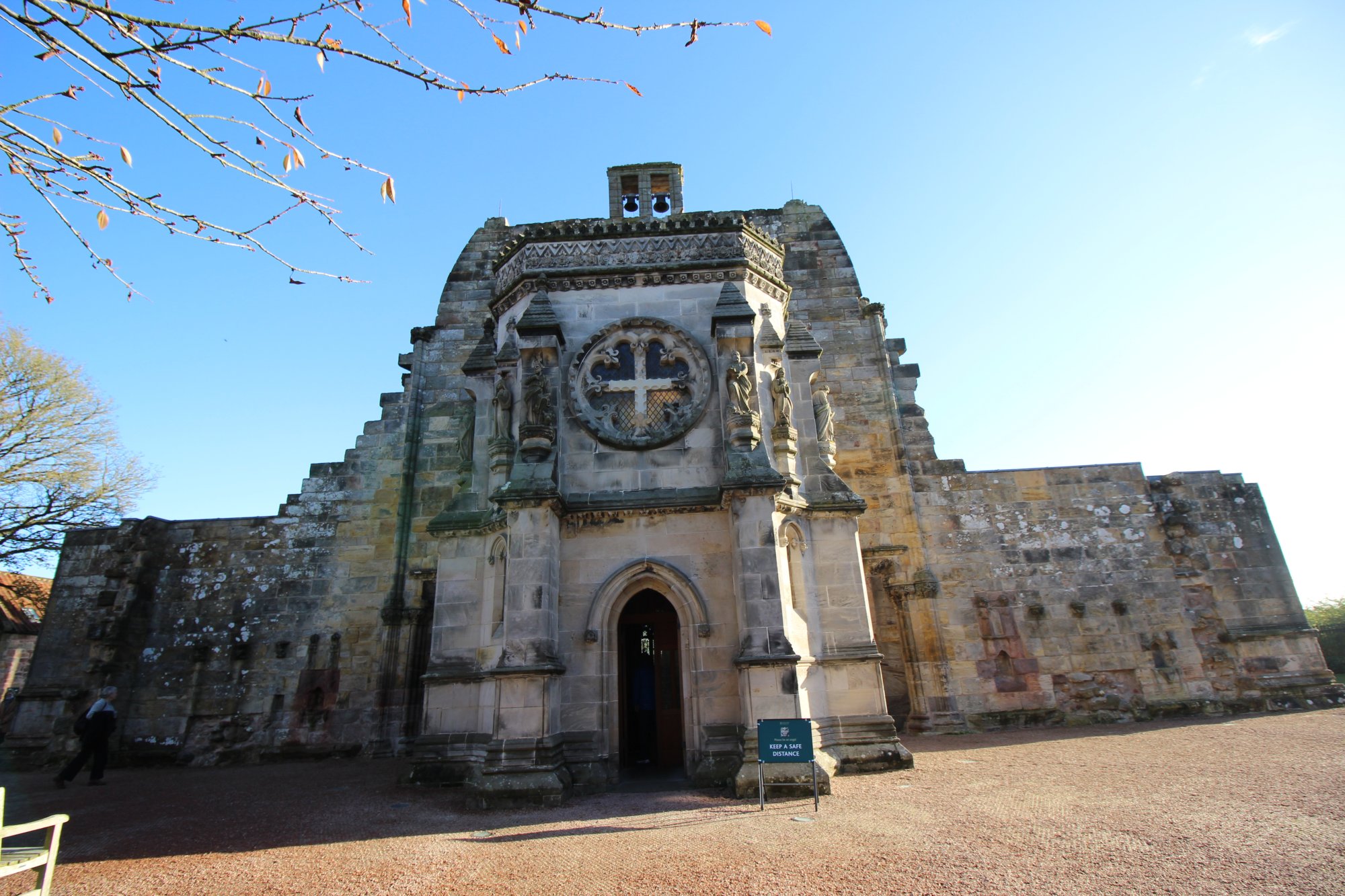
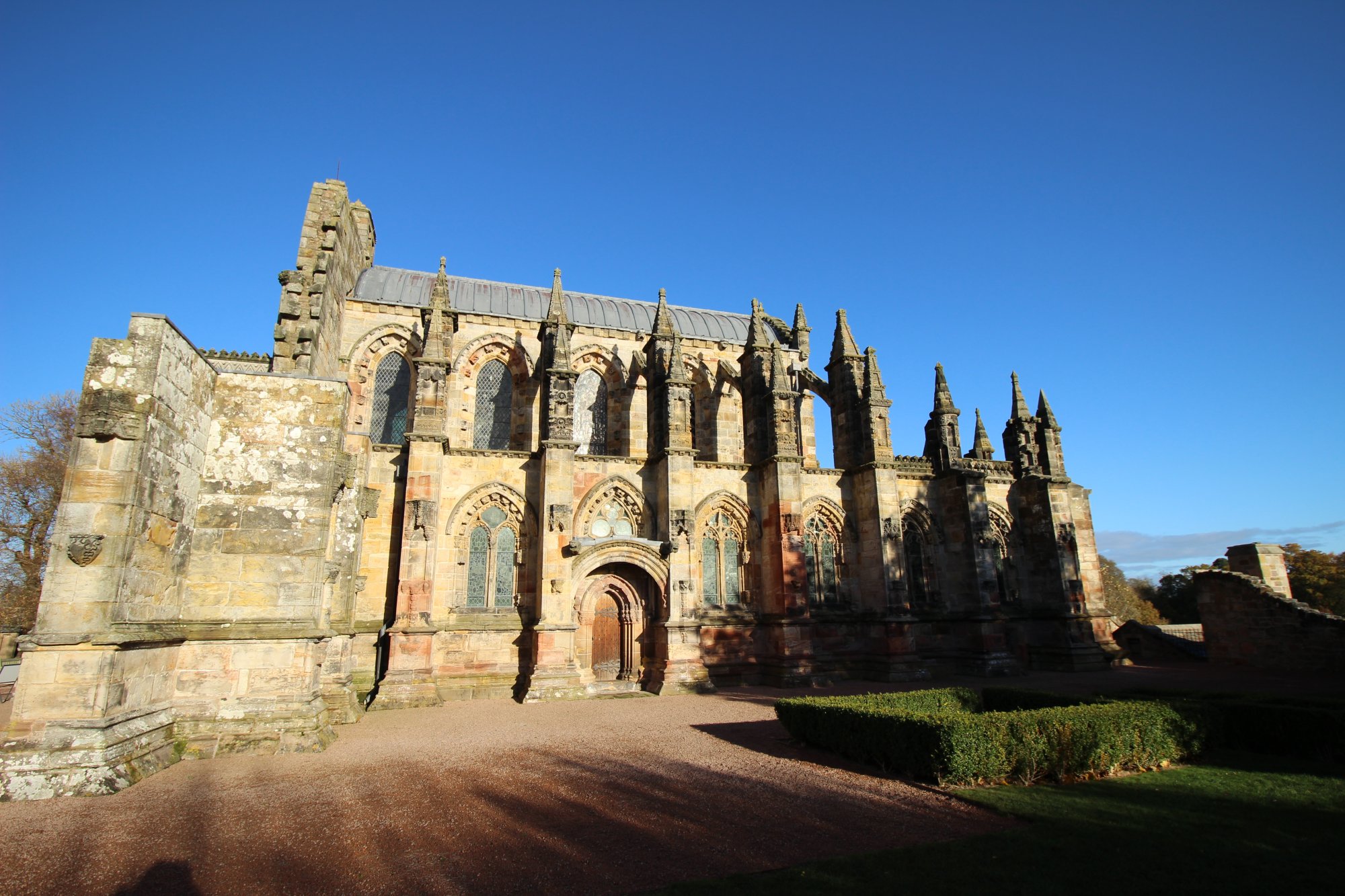
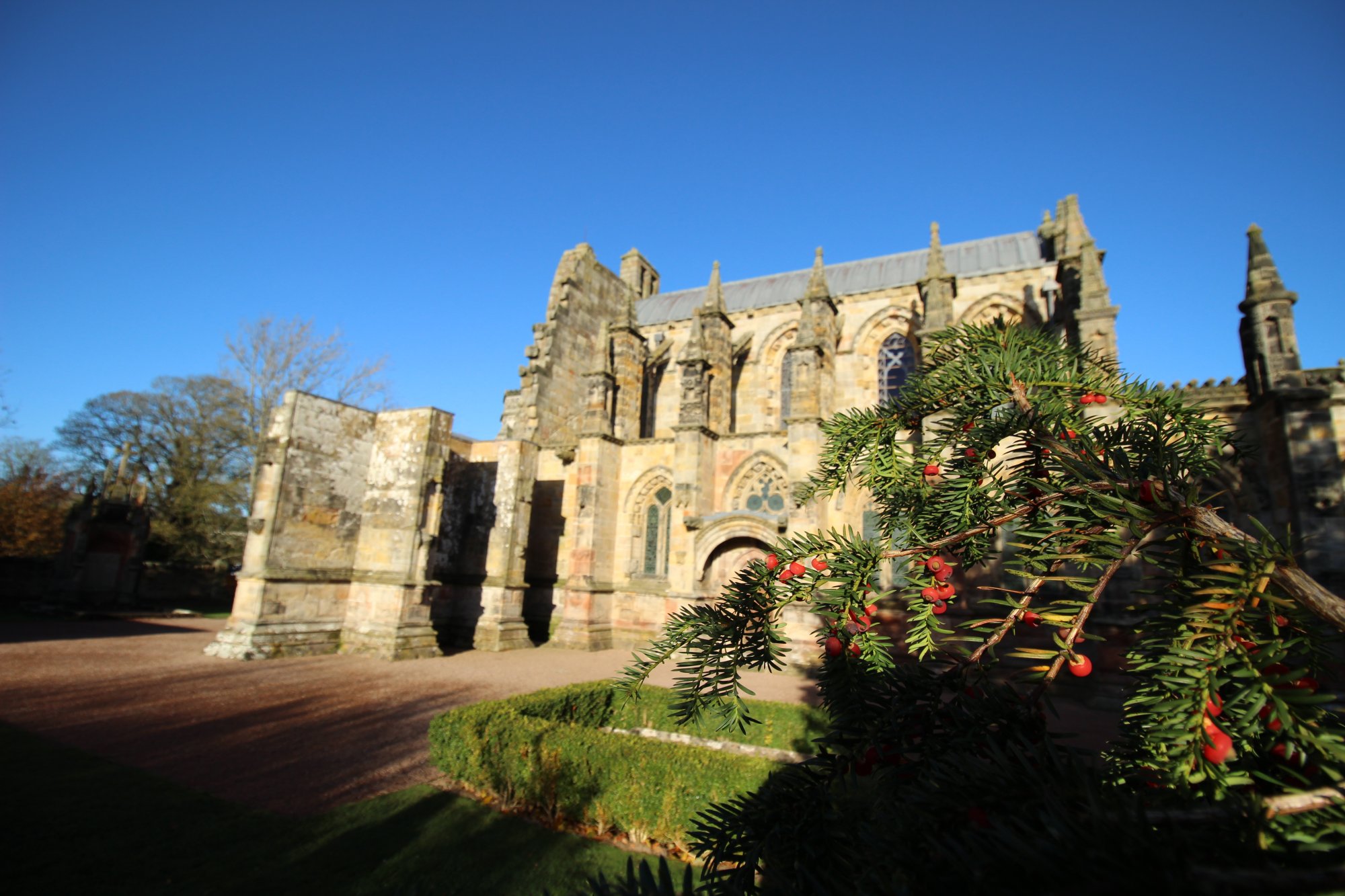
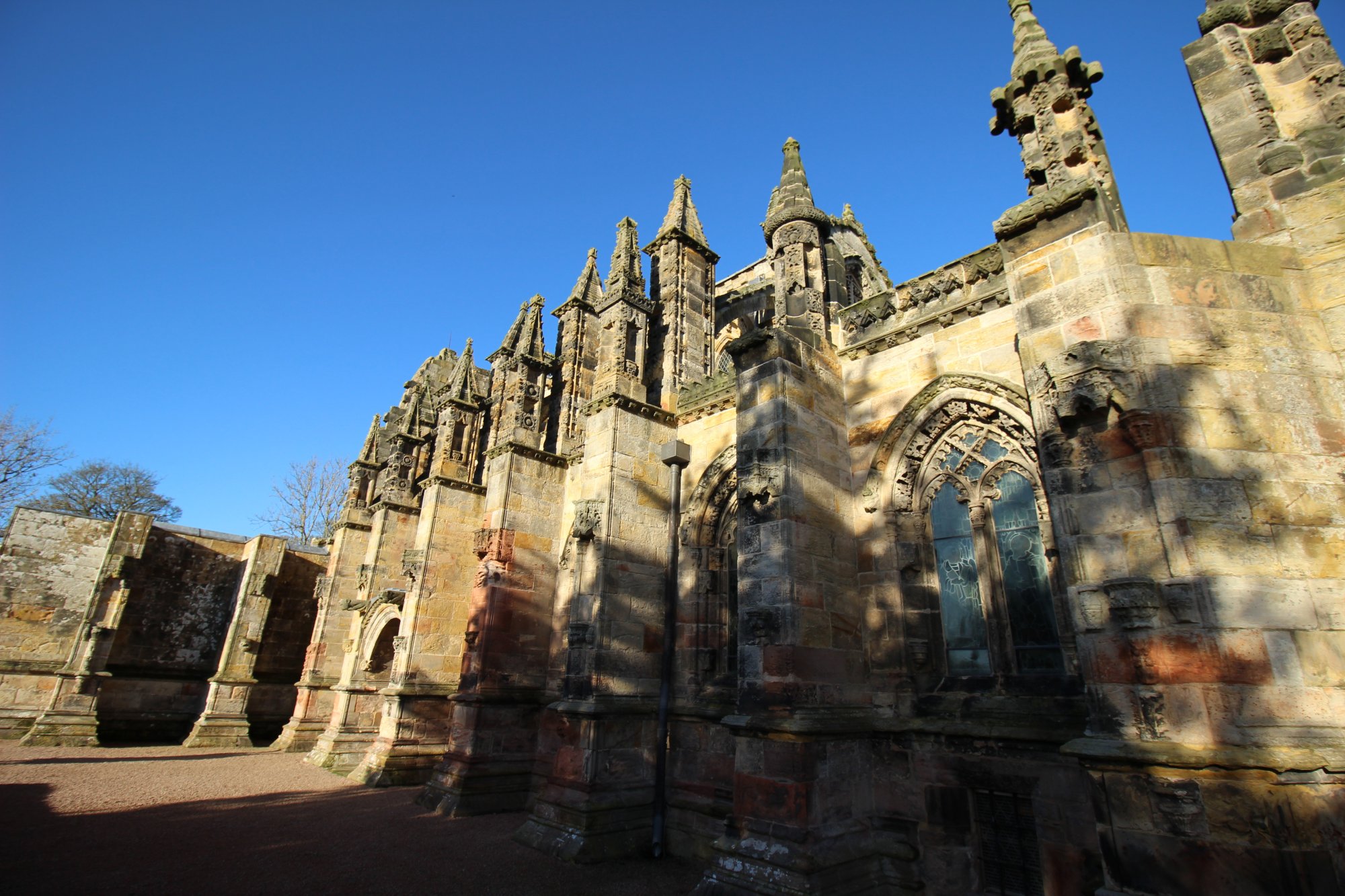
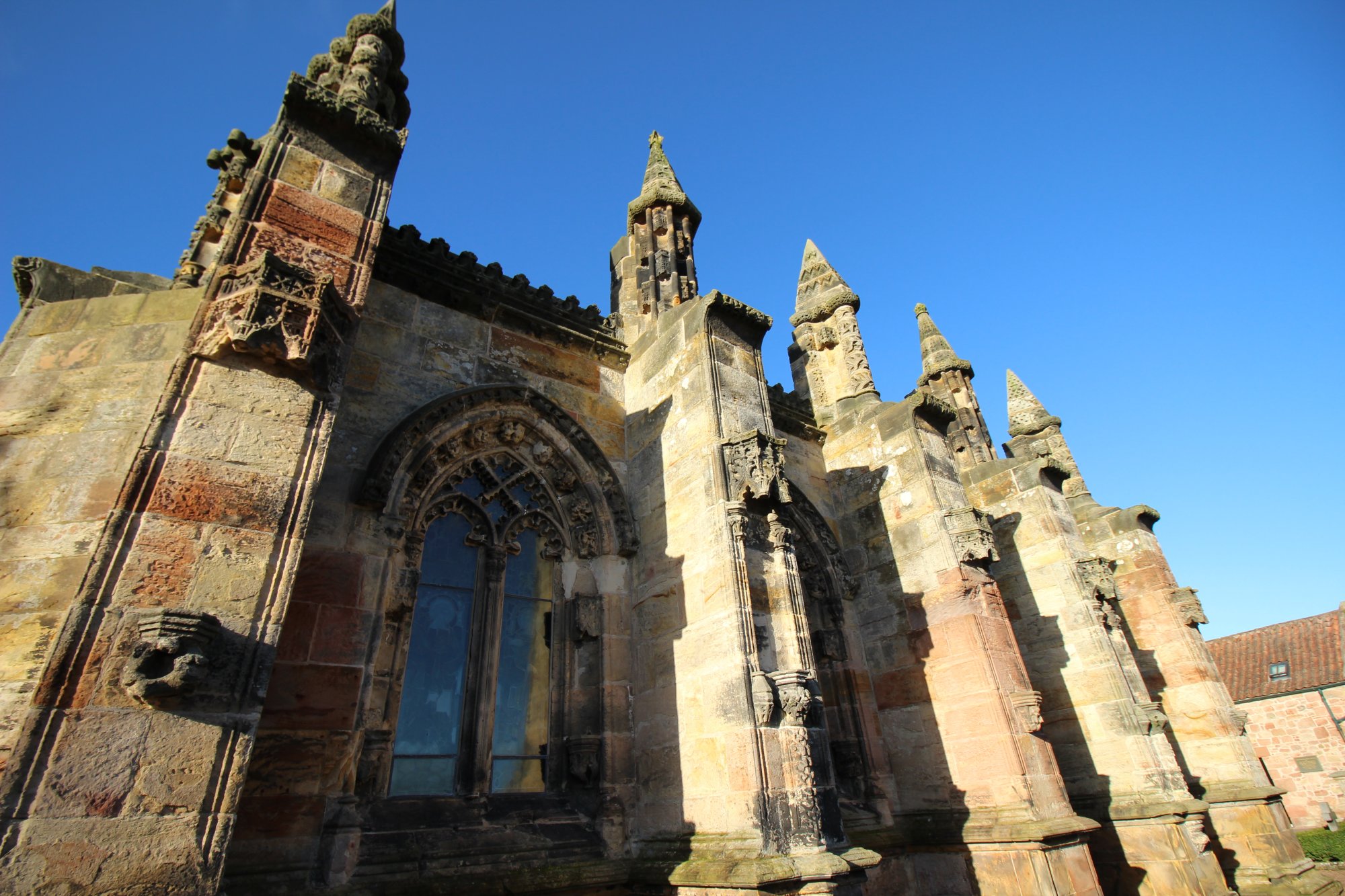
Perched gracefully on the edge of the deep, wooded ravine of Roslin Glen in Midlothian, Rosslyn Chapel stands as an elite monument to late-medieval craftsmanship and enigmatic architectural design. Founded in 1446 by Sir William St Clair, 3rd Earl of Orkney, this relatively compact collegiate church possesses a visual density that is entirely unmatched in the British Isles. While its exterior exhibits a soaring, weathered Gothic framework of pointed pinnacles and arched buttresses, the interior is a breathtaking, stone-carved labyrinth. Every column, arch, and lintel is covered in an astonishing profusion of intricate sculptures, Biblical allegories, and esoteric symbols that have fueled centuries of speculation, secret society myths, and Hollywood intrigue.
The Mason's Masterpieces: Iconic Stone Legends
The interior of Rosslyn Chapel is a masterclass in high-relief stone sculpture, functioning essentially as a massive, three-dimensional book of medieval theology, botany, and folklore. As you explore the dim, atmospheric aisles, there are several monumental carvings that demand close inspection:
- The Apprentice Pillar: Standing at the southeast corner of the Lady Chapel, this exquisite column is the absolute artistic crown jewel of the interior. The pillar features an incredibly fluid, spiraling wreath of deep-cut stone foliage that twines elegantly from base to capital. Local folklore tells a dark, tragic tale: the Master Mason, having traveled to Rome to study the design, returned to find that his young apprentice had carved the pillar flawlessly from a dream. Consumed by a murderous fit of professional jealousy, the Master struck the apprentice dead with his mallet—a myth seemingly immortalized by a nearby carved head of the weeping mother and the scarred youth.
- The Journeyman Pillar: Standing in stark, fascinating contrast immediately adjacent to its famous neighbor, this beautifully structured column features clean, fluted lines and disciplined geometric banding, representing the precise, traditional hand of the experienced stone craftsman.
- The Green Men: Scattered throughout the stone canopy are over a hundred carvings of the "Green Man"—a pagan, pre-Christian fertility symbol depicting a human face with vines, leaves, and twisting branches sprouting directly from the mouth. Their heavy presence inside a Christian house of worship highlights the fascinating blending of old Celtic folklore and Catholic theology in 15th-century Scotland.
- The Exotic Botanicals: Sharp-eyed visitors will spot highly accurate carvings of maize and aloe vera decorating the stone arches. Intriguingly, these carvings were completed several decades before Christopher Columbus officially sailed to the Americas, giving rise to persistent legends that the seafaring St Clair family may have crossed the Atlantic long before the Age of Discovery.
Strict Production Constraints: Interior Media Logistics
The Interior