
Echoes of the Covenant: The Hidden Gorge of John Knox’s Pulpit
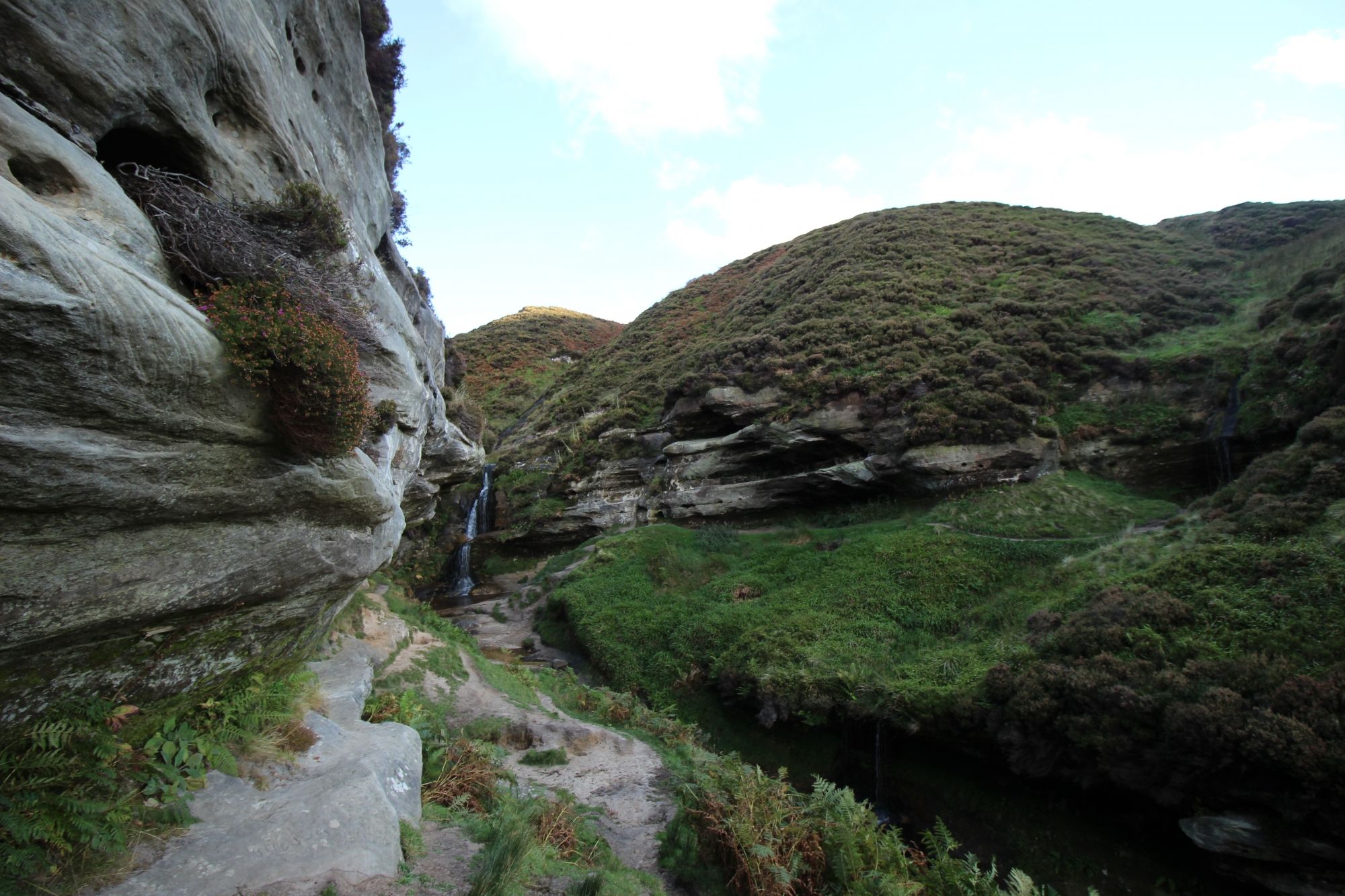
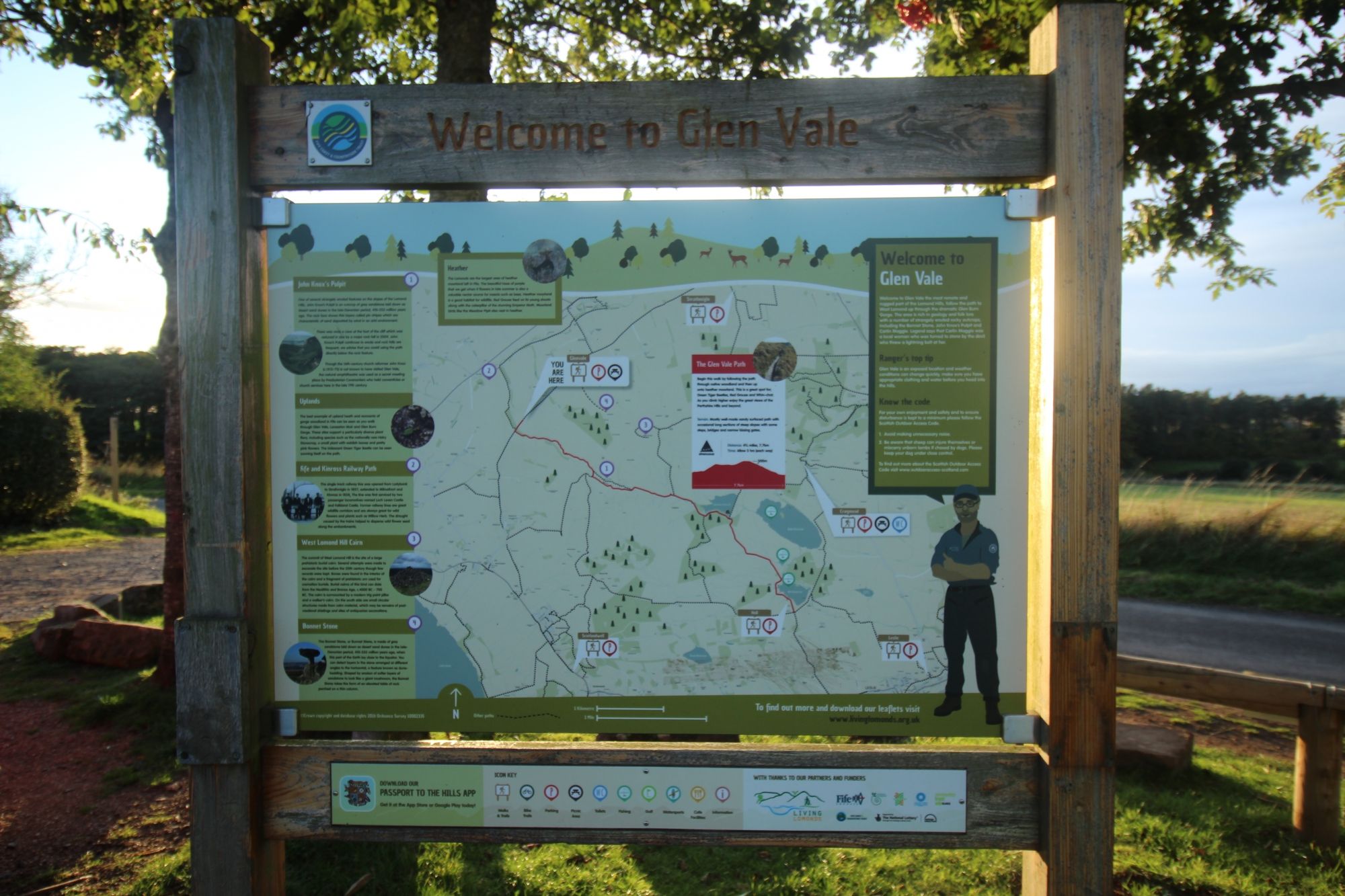
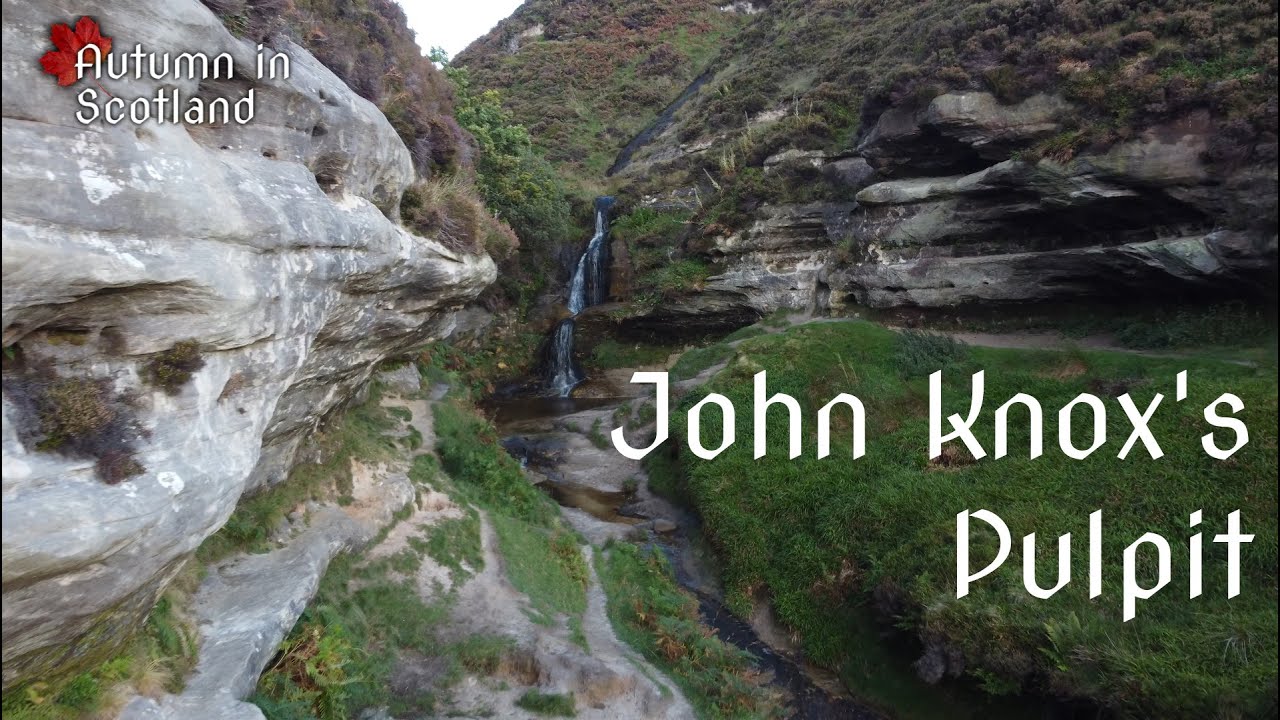
Tucked away within the quiet, verdant depths of Glen Vale, John Knox’s Pulpit is a site where history feels layered into the very geology of the land. Often visited in tandem with the nearby, gravity-defying rock formation known as the Bunnet Stane, this small, unassuming gorge is one of the most evocative landmarks in the Lomond Hills. While the dramatic stone pulpit that once gave the site its name was lost to the forces of nature and safety concerns in 2004, the gorge remains a place of profound atmosphere—a hidden sanctuary where the history of Scotland’s religious struggle once played out in secret.
A Legacy of Defiance
The lore of the site is rooted in the turbulent 16th century, a time of religious upheaval when followers of the Reformation were often forced to worship in hidden places to escape prosecution. Local tradition maintains that this secluded ravine served as an outdoor cathedral for persecuted Covenanters and Reformers, who gathered beneath the shelter of the cliffs to hear the word of God. It is easy to imagine the scene: a small, huddled congregation gathered in the damp, mossy silence of the gorge, with the natural acoustics of the stone walls carrying the preacher’s voice over the gentle, rhythmic trickle of the stream.
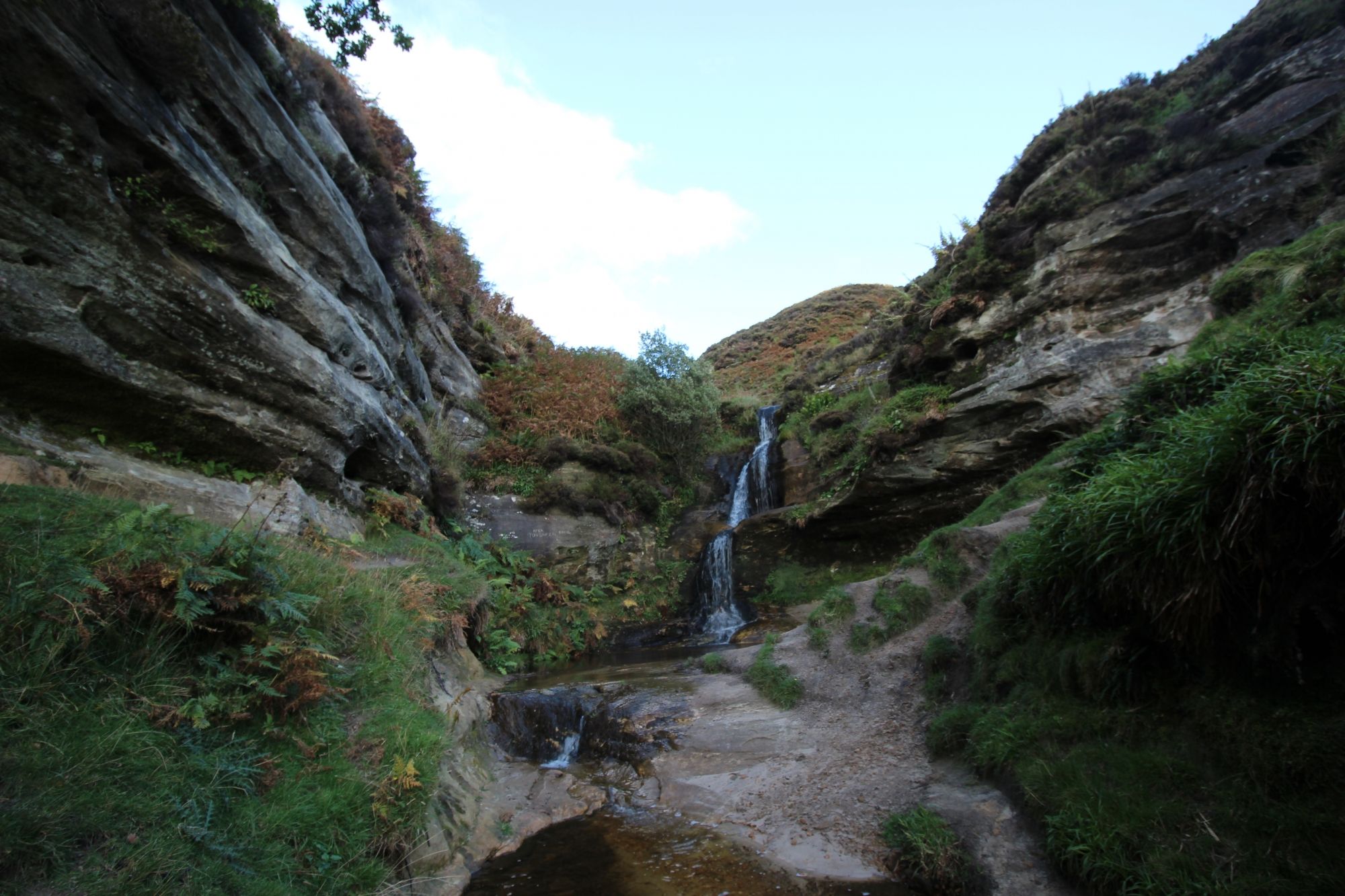
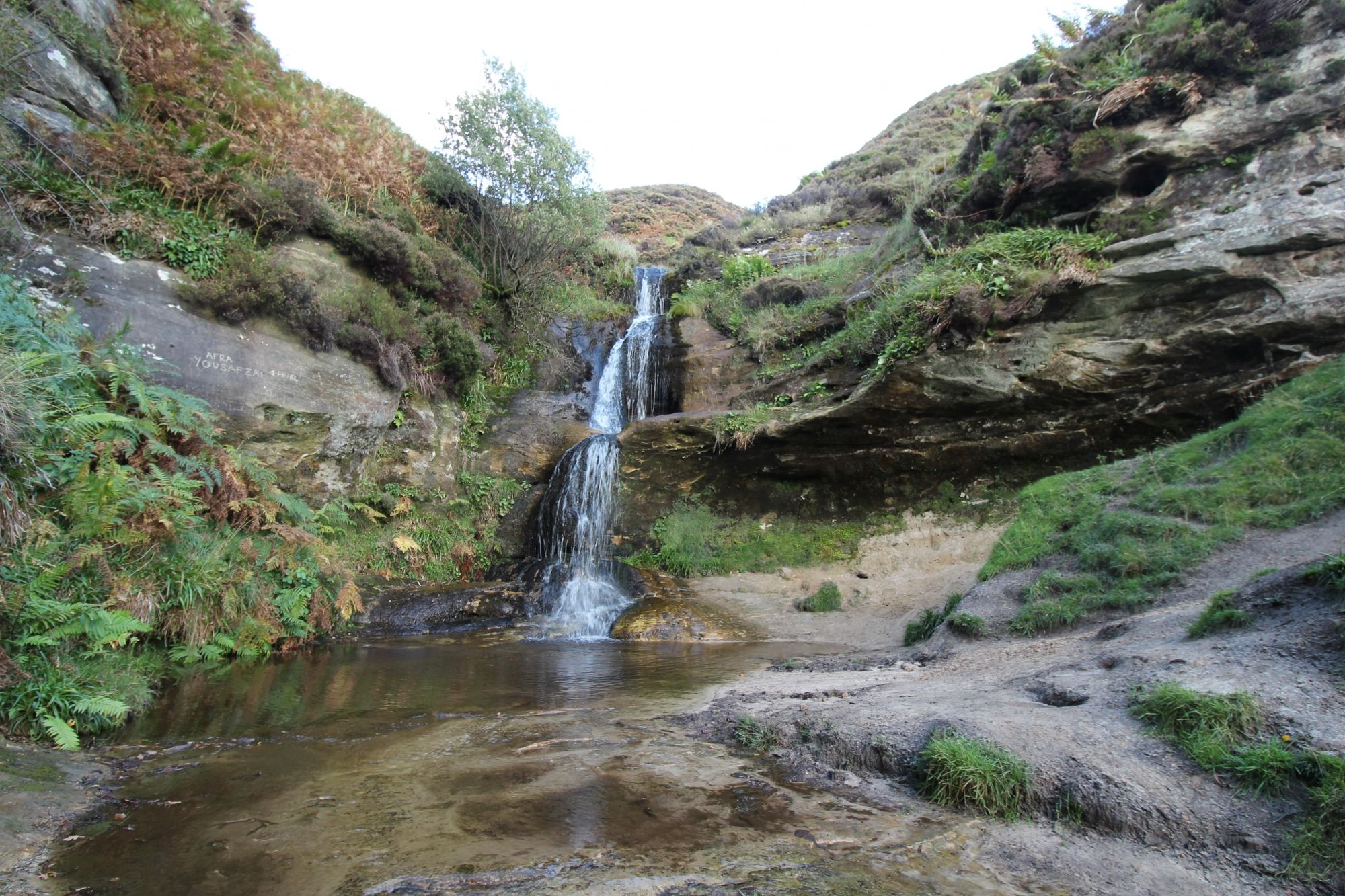
For years, the gorge featured a natural stone platform that bore a striking resemblance to a preacher’s pulpit, backed by a small, shallow cave. While the rock was deemed unstable and removed by the local council for safety, the "spirit" of the place endures. The gorge itself remains a beautiful, tranquil spot, characterized by its cooling shade, lush greenery, and the persistent, tumbling waterfall that continues to shape the ravine floor.
Walking the Lomond Hills
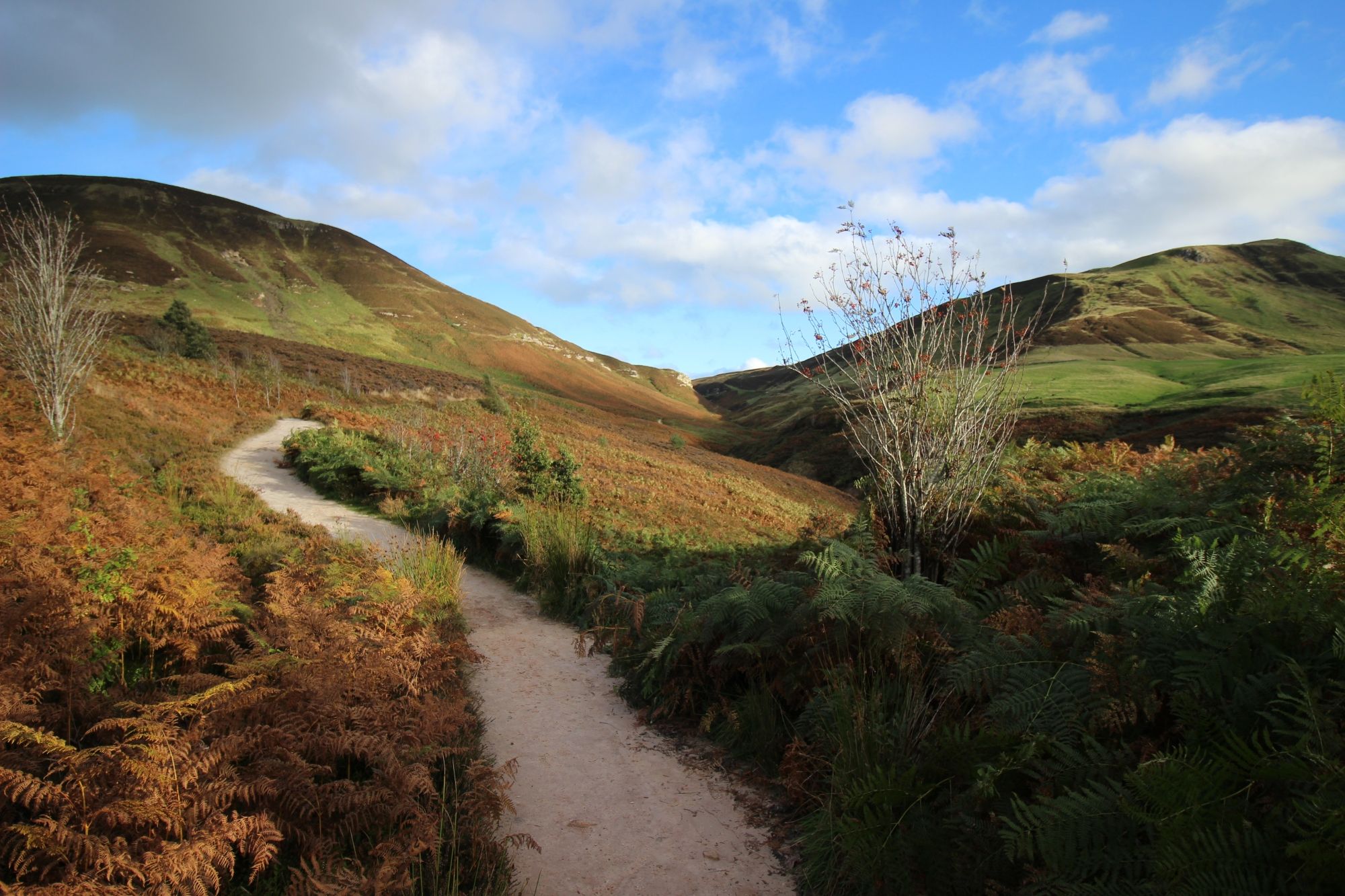
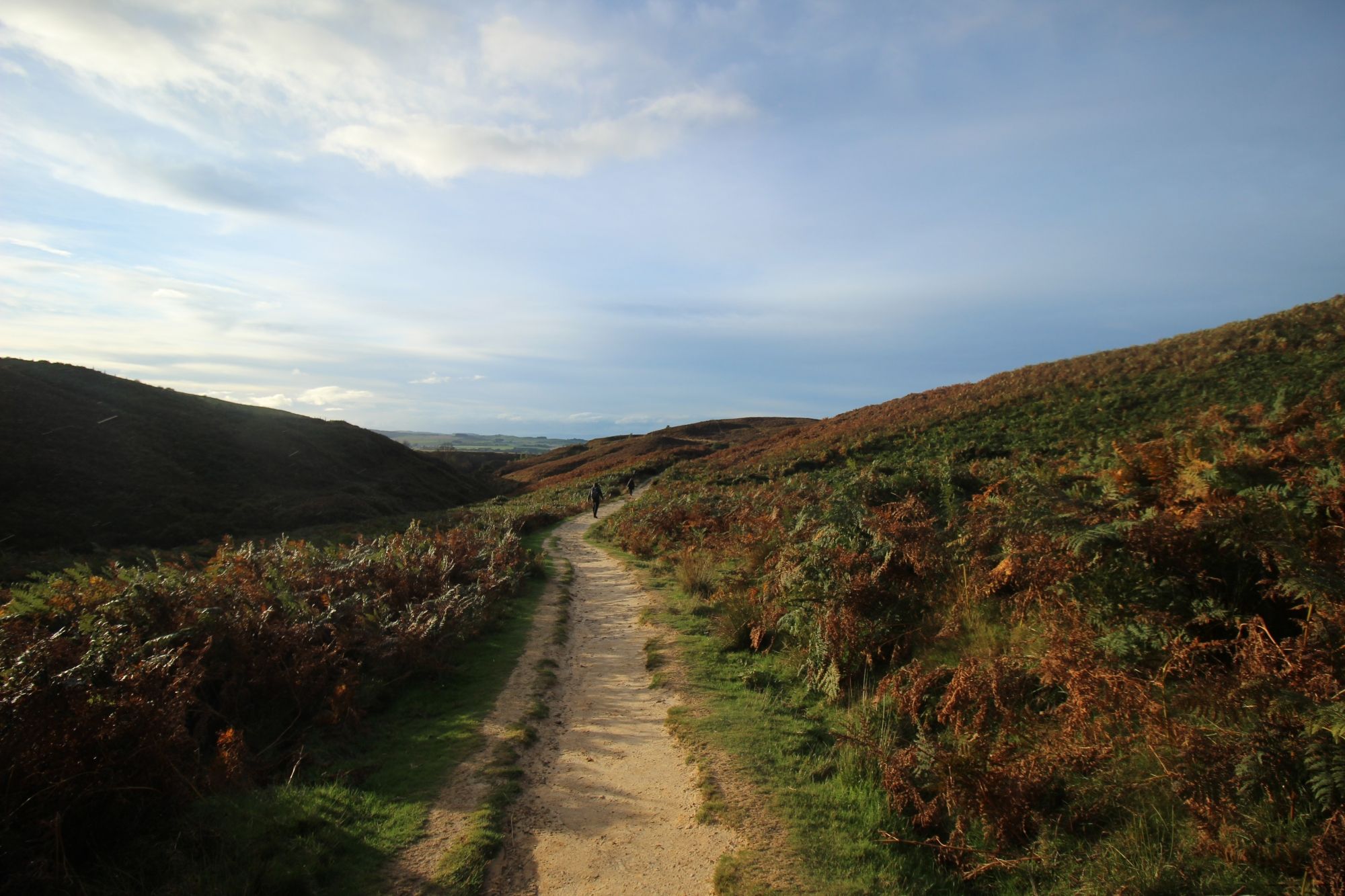
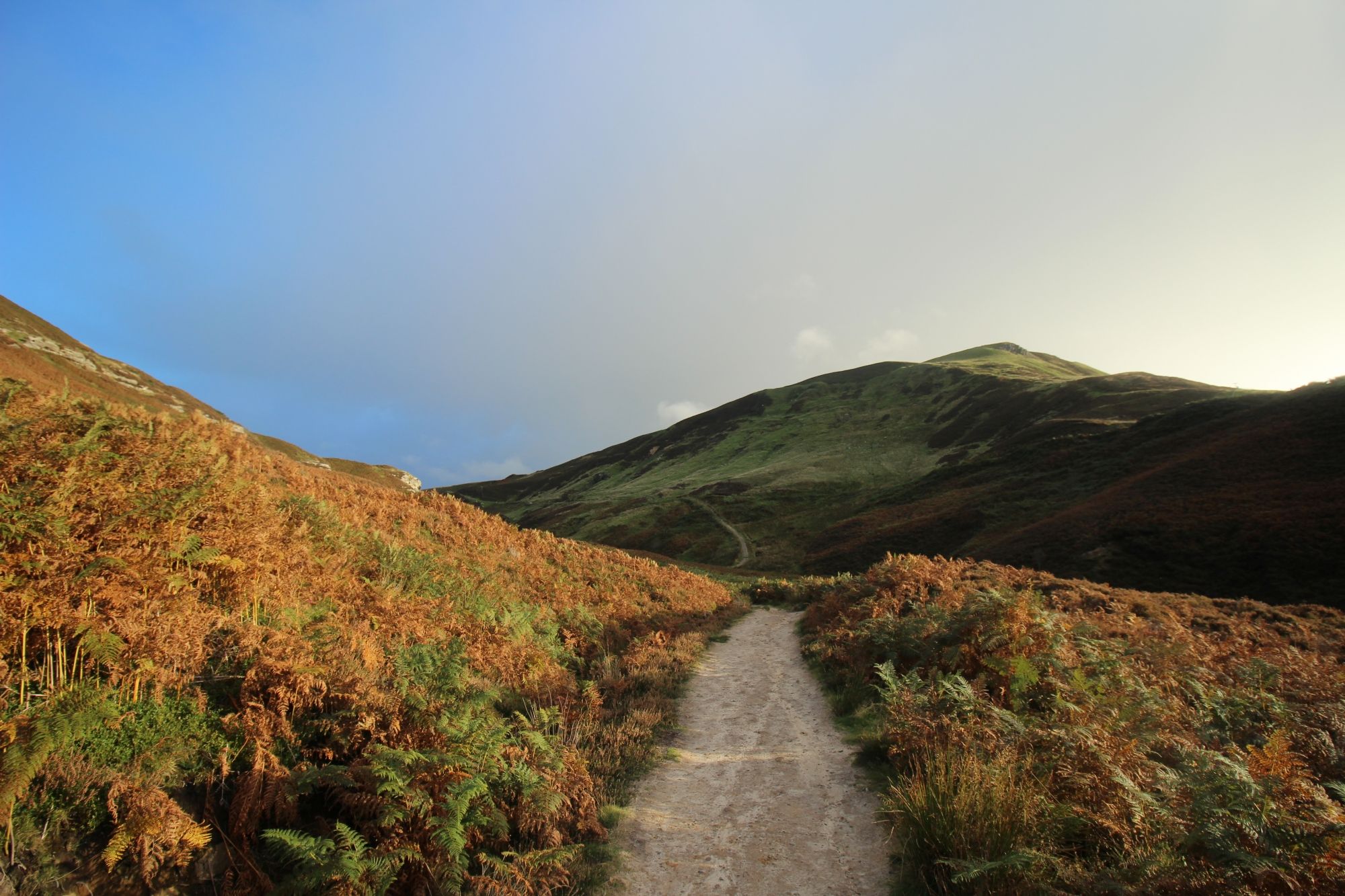
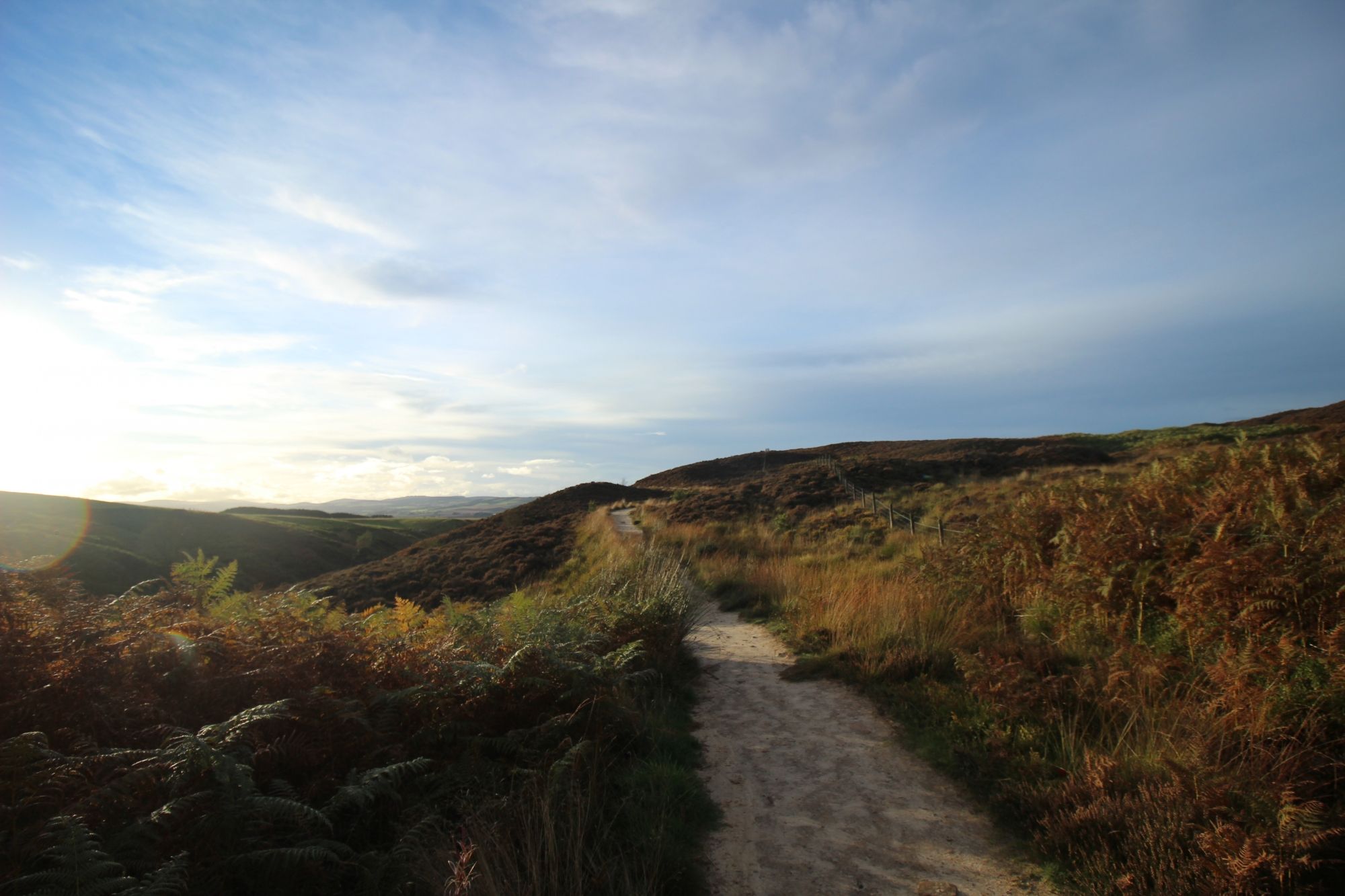
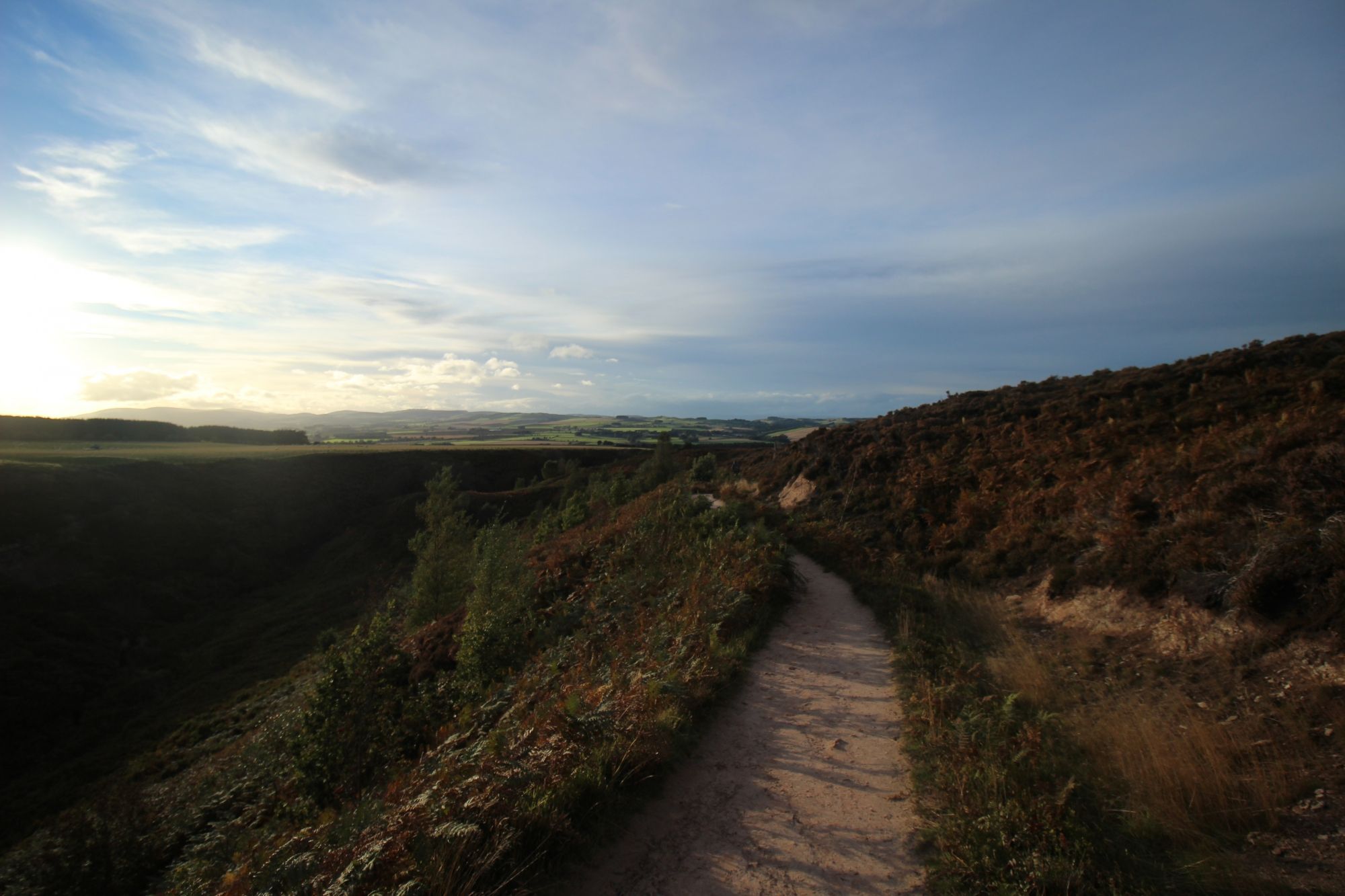
John Knox’s Pulpit is best enjoyed as part of a wider exploration of the Lomond Hills. For those looking for a comprehensive experience, a popular circular route takes in both the Pulpit and the Bunnet Stane, offering a varied four-hour trek that spans open moorland and sheltered glen. The walk provides a wonderful cross-section of the Fife countryside, with sweeping views that contrast sharply with the intimate, enclosed feeling of the gorge.
If you prefer a more direct encounter, the gorge is easily reached via a short, 45-minute walk from the local car park. The trail is well-trodden and follows the gentle climb through the glen, making it a perfect, bite-sized adventure for a quiet morning or an afternoon escape.
Practical Visitor Information
Access: The path begins from the designated parking area near the entrance to Glen Vale. The walk to the gorge is manageable for most walkers but can be muddy after heavy rain; sturdy footwear is advised.
Combine Your Visit: Do not miss the Bunnet Stane while you are here. This remarkable, mushroom-shaped rock formation sits just a short distance from the gorge and offers a fantastic vantage point for photography.
Respect the Environment: As this is a popular spot for local hikers, please remember the Scottish Outdoor Access Code. Take your litter home with you, keep to the marked tracks to prevent erosion, and be mindful of livestock that may be grazing in the surrounding fields.
The Atmosphere: Visit on a weekday if you are looking for total solitude. The gorge is incredibly atmospheric when the light filters down through the canopy, illuminating the mossy rocks and the spray of the waterfall.
Conclusion: A Place of Quiet Reflection
John Knox’s Pulpit is not the most towering or imposing landmark in Scotland, but it possesses a quiet dignity that is rare to find. It reminds us that history is not just found in castles and cathedrals, but in the hidden folds of the landscape where ordinary people once stood for their beliefs. For the modern walker, it serves as a peaceful intersection of nature and heritage—a place to pause, listen to the waterfall, and connect with the centuries of voices that have echoed within these walls.