


The Outer Hebridean Margin: Coastal Geomorphology, Shell-Sand Dynamics, and Marine Logistics of Cravadale Beach
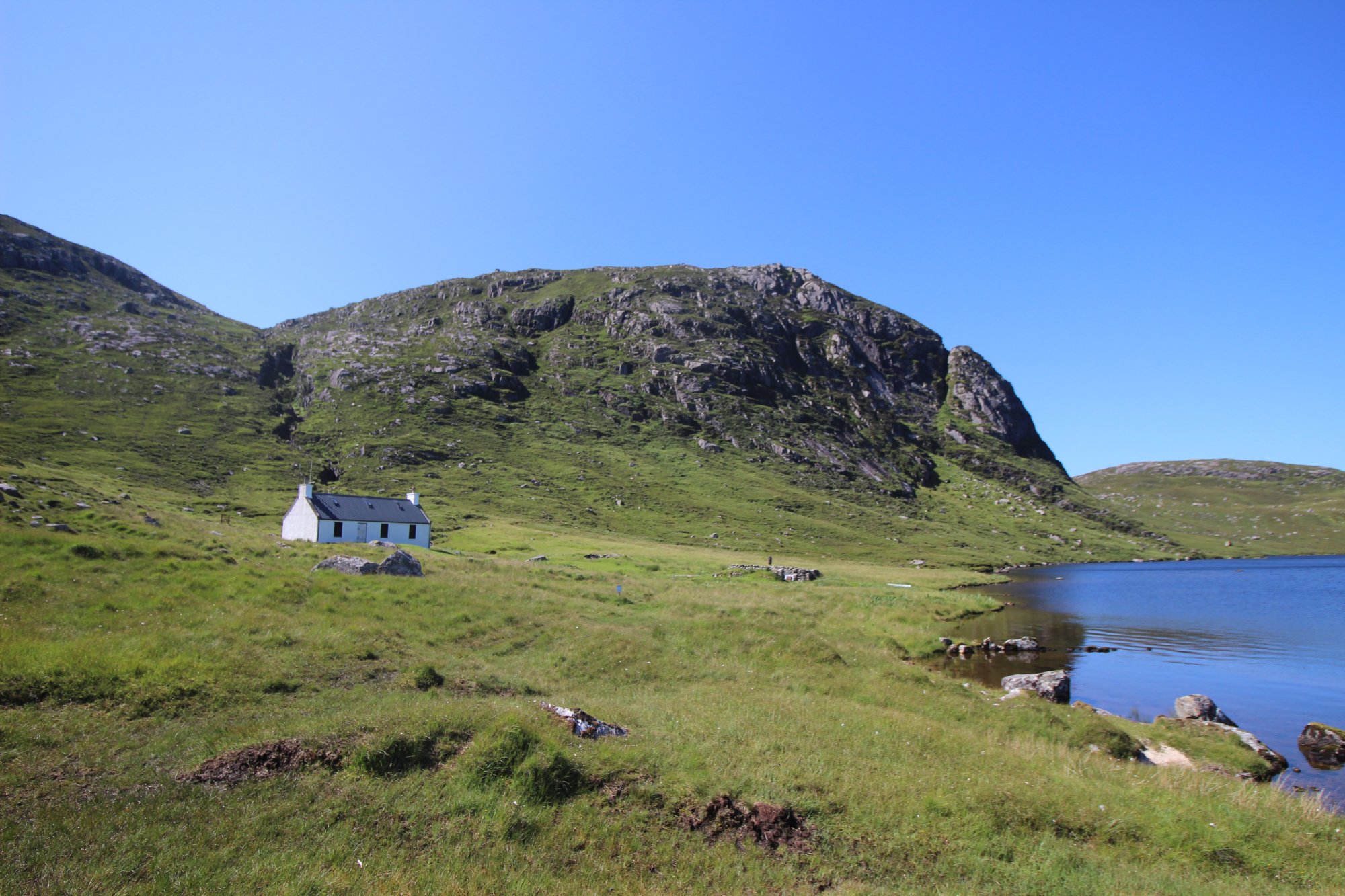
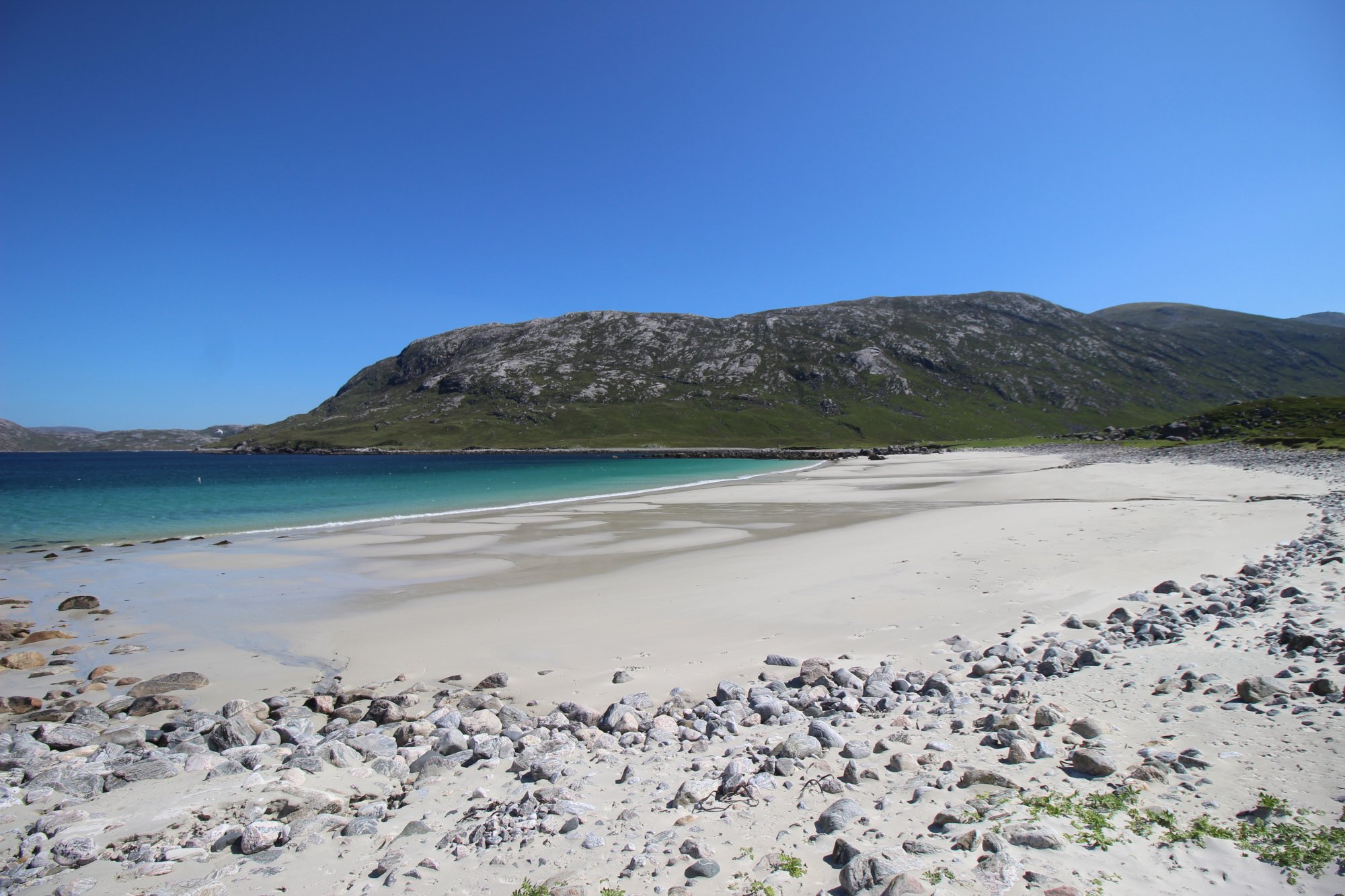
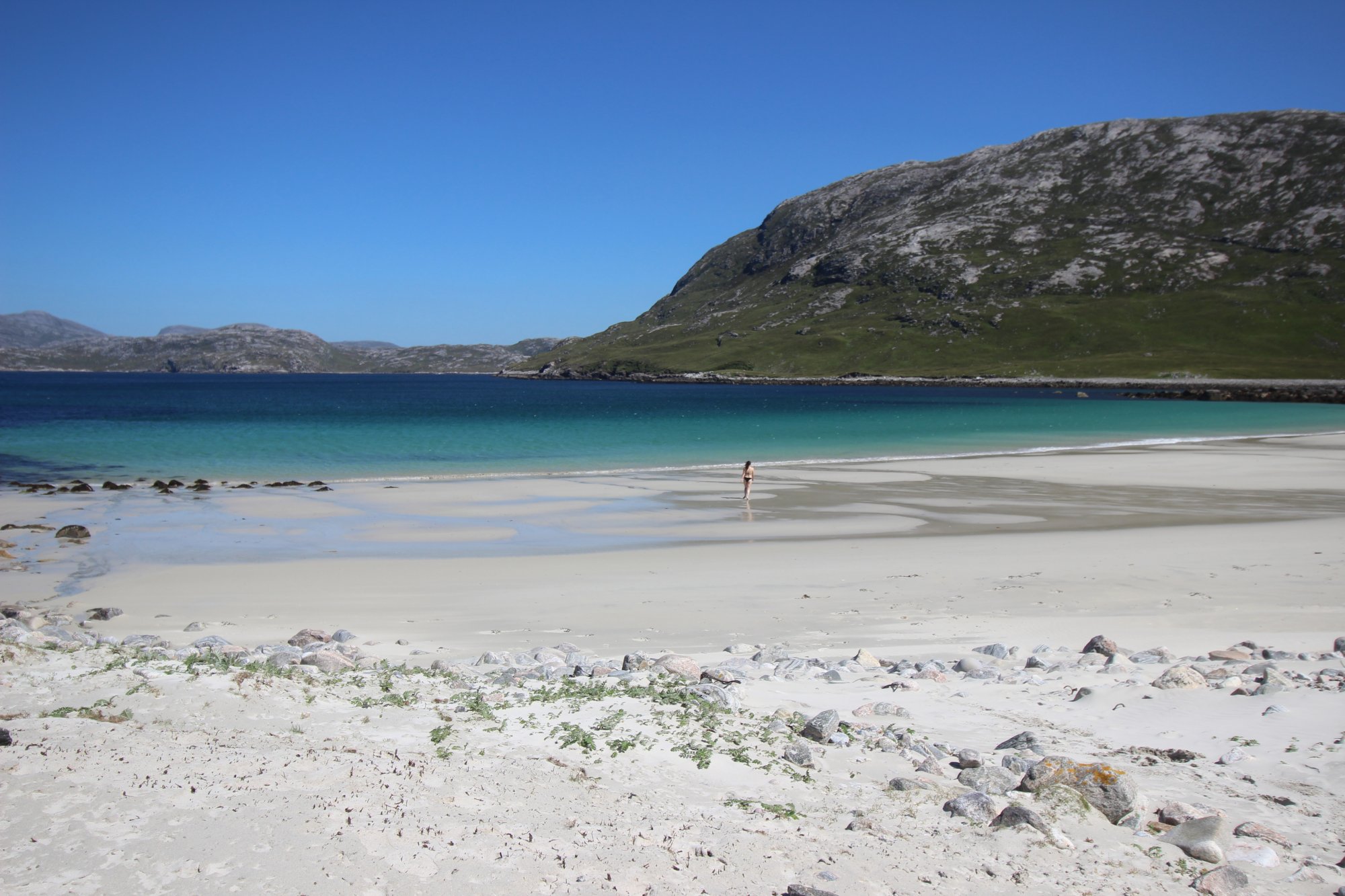
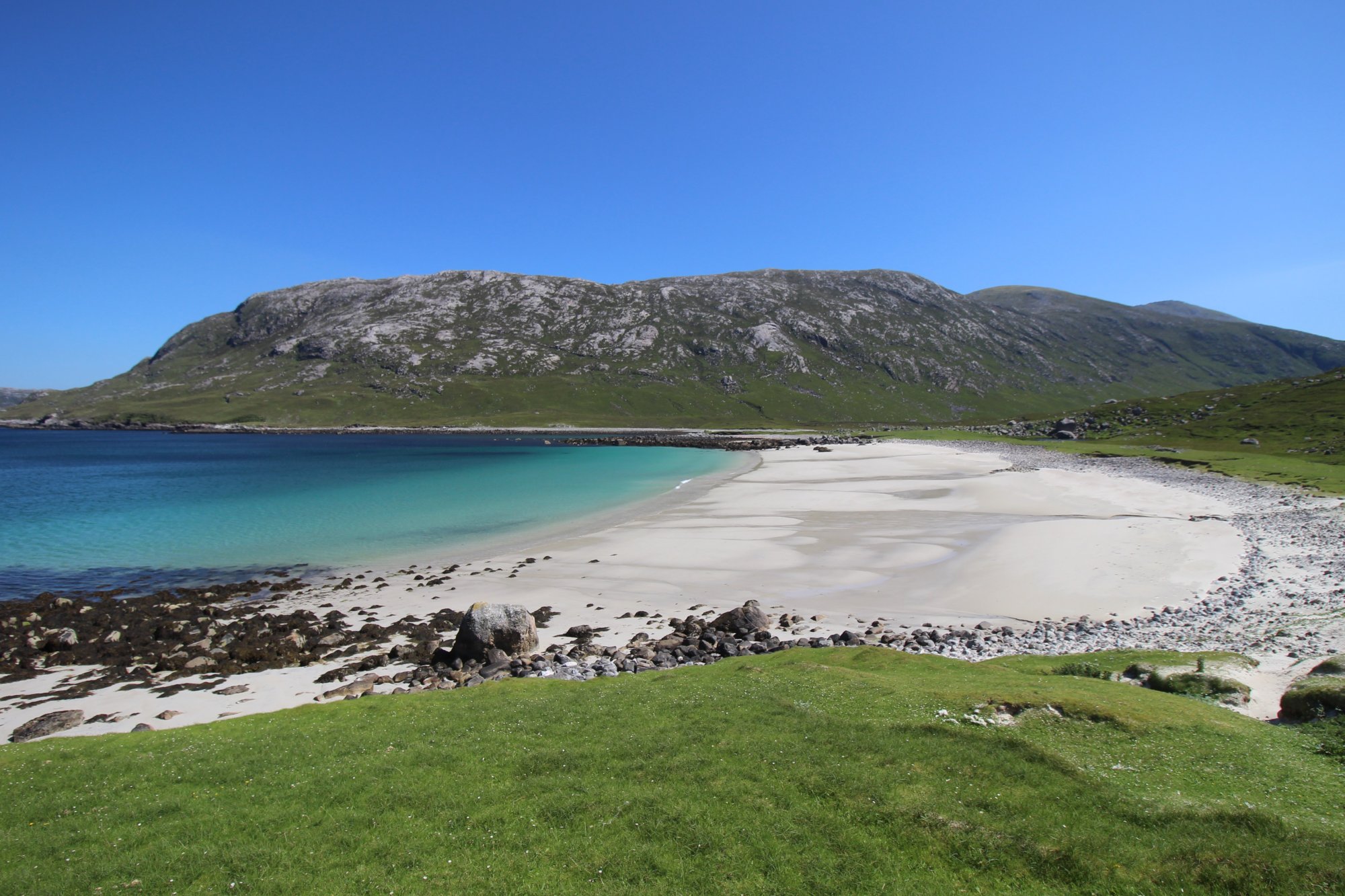
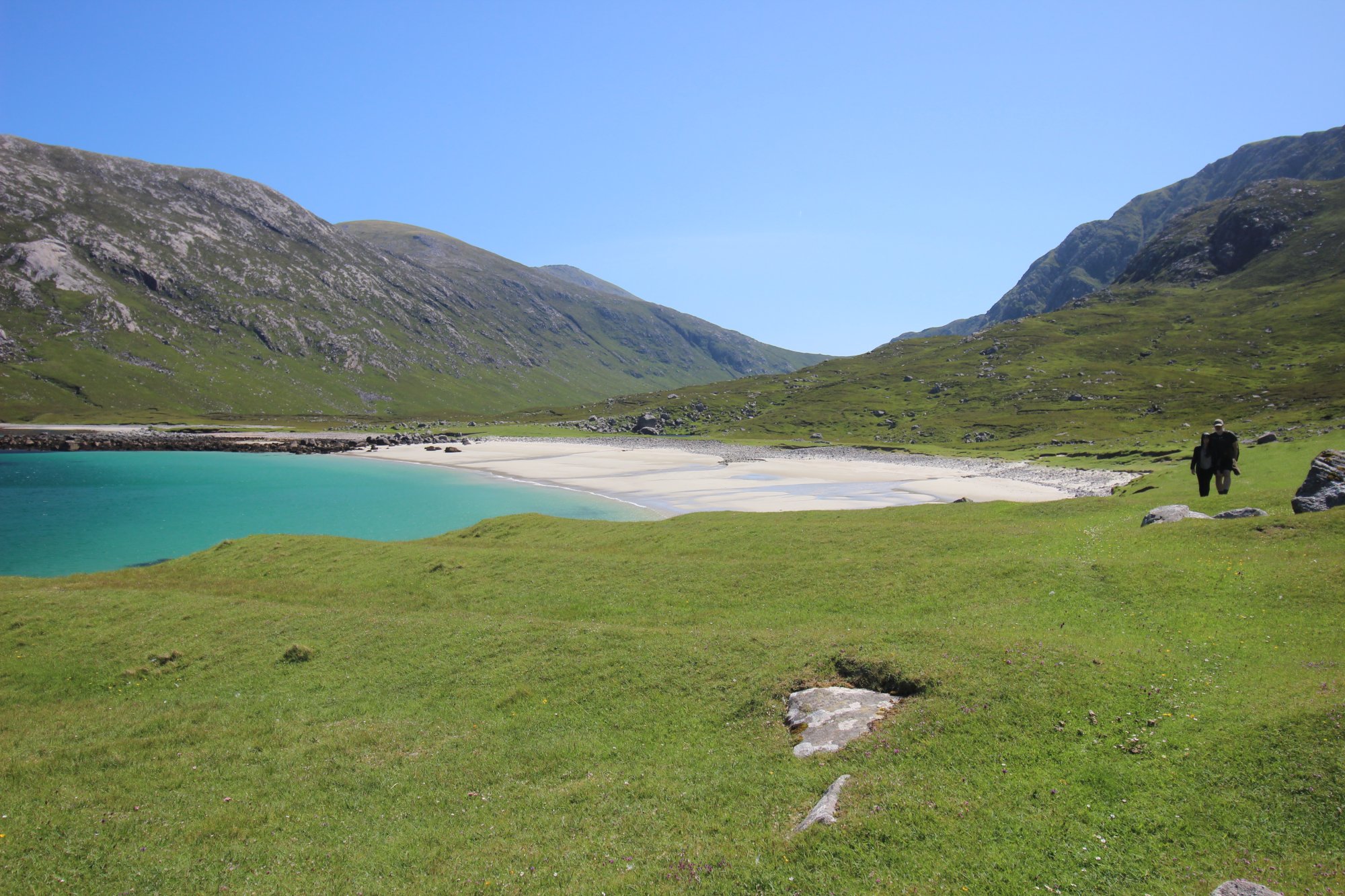
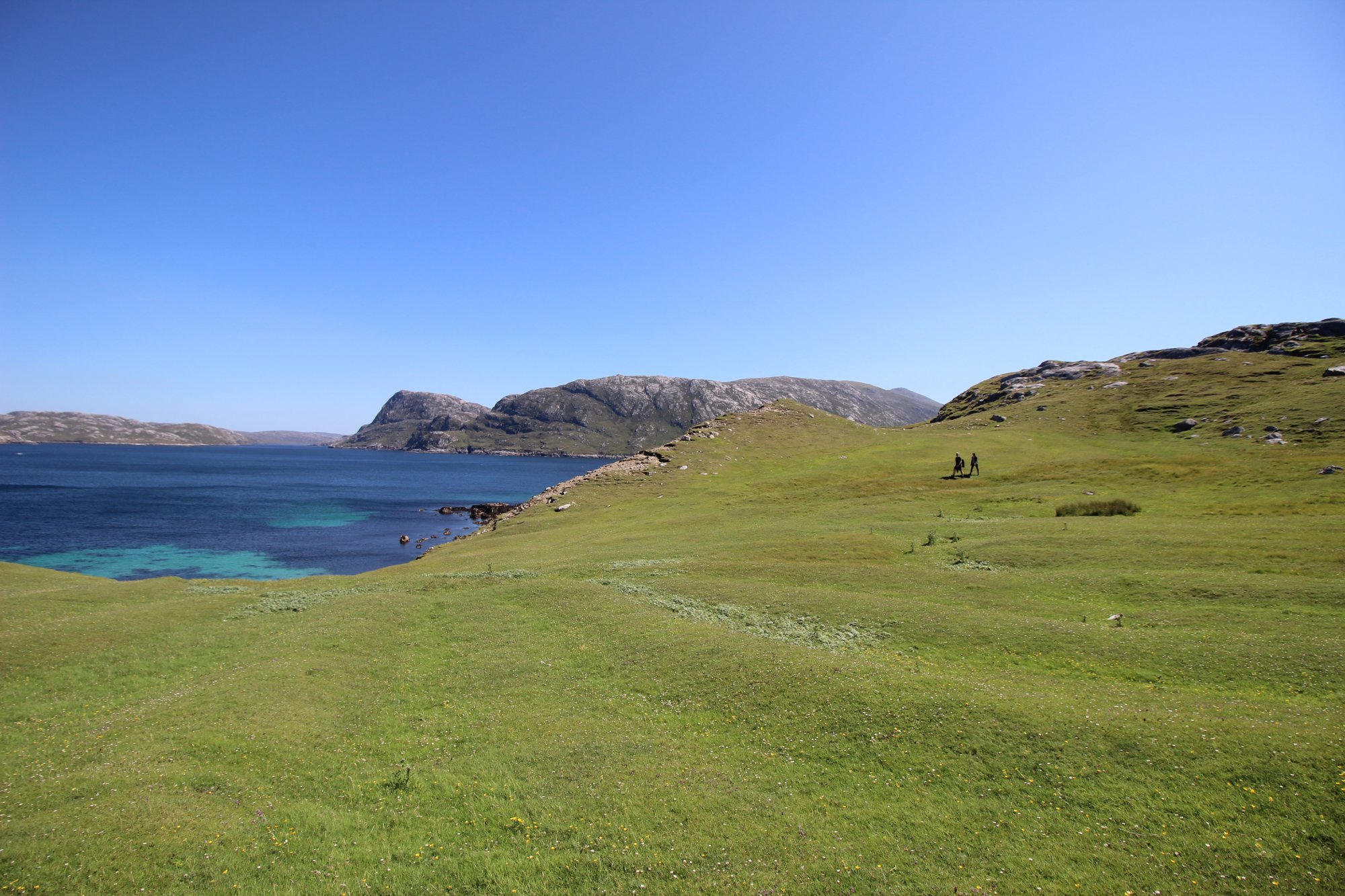
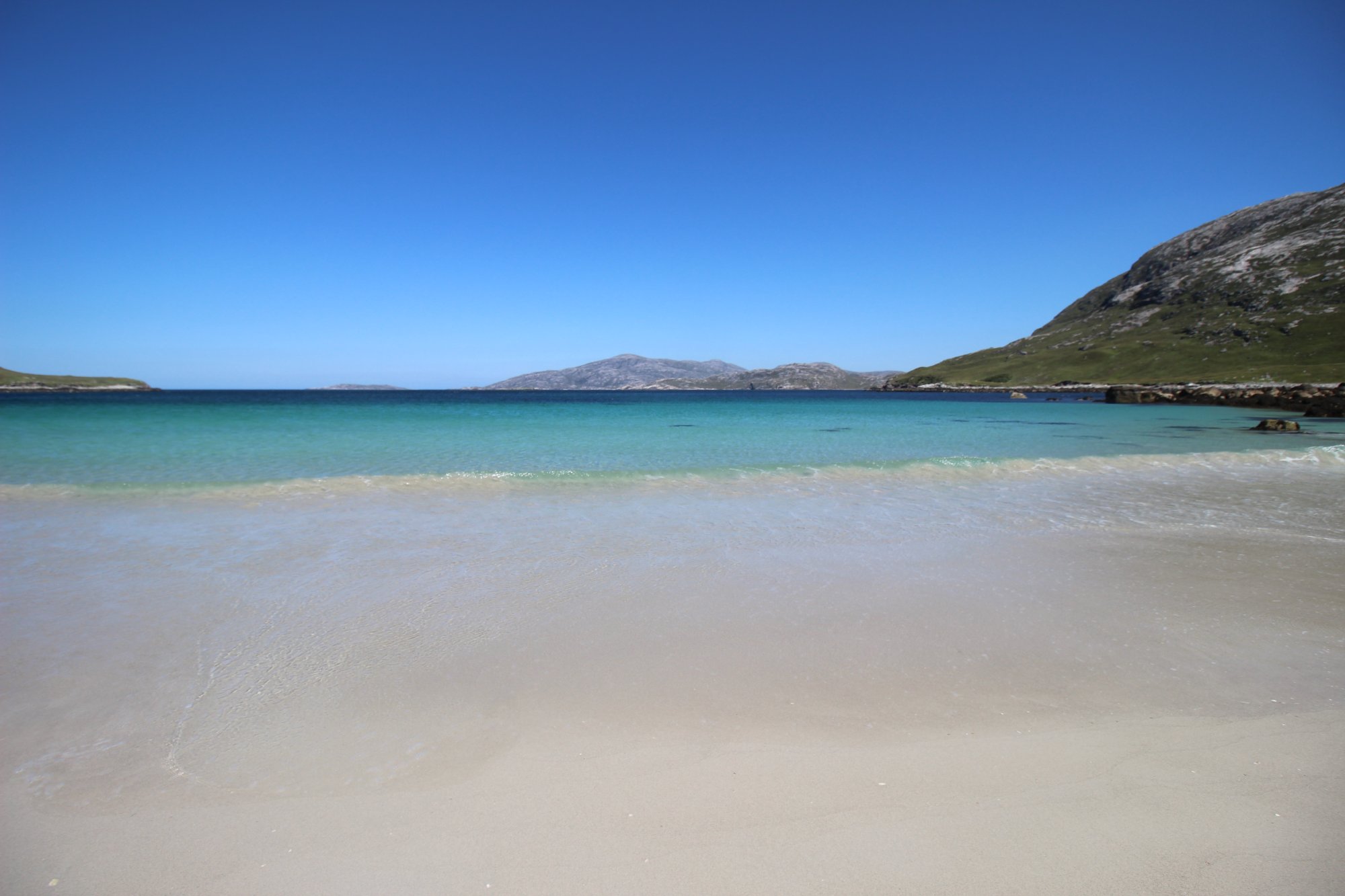
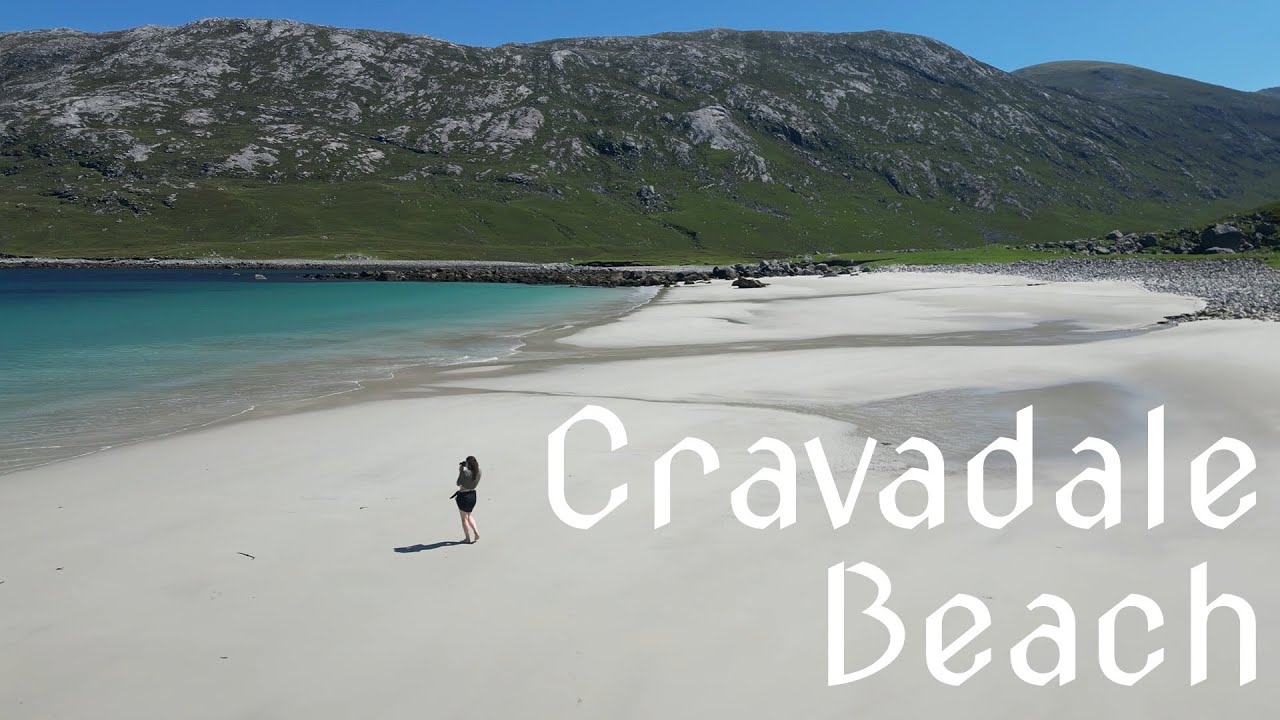
Tucked into the rugged northwestern coast of North Harris in the Outer Hebrides, Cravadale Beach—known locally in Scottish Gaelic as Tràigh Crabhadail—is a remote, quartz- and shell-rich pocket beach facing the saltwater Loch Cravadale and near-by rocky islands. Sheltered by the towering headland of Meilein and fed by the freshwater run-off of Loch a'Ghlinne, this secluded strand represents a pristine Hebridean coastal environment defined by its brilliant white sands, machair grassland margin, and ancient Lewisian gneiss encasement. Walk to Cravadale Beach is quite long, requires head for the hights to traverse exposed cliff and navigational skills to cross pathless, Hebridean terrain.
The Structural Blueprint: Coastal Geomorphology and Sedimentary Dynamics
The physical character of Cravadale Beach is shaped by the interaction between ancient Precambrian bedrock and high-energy Atlantic marine processes:
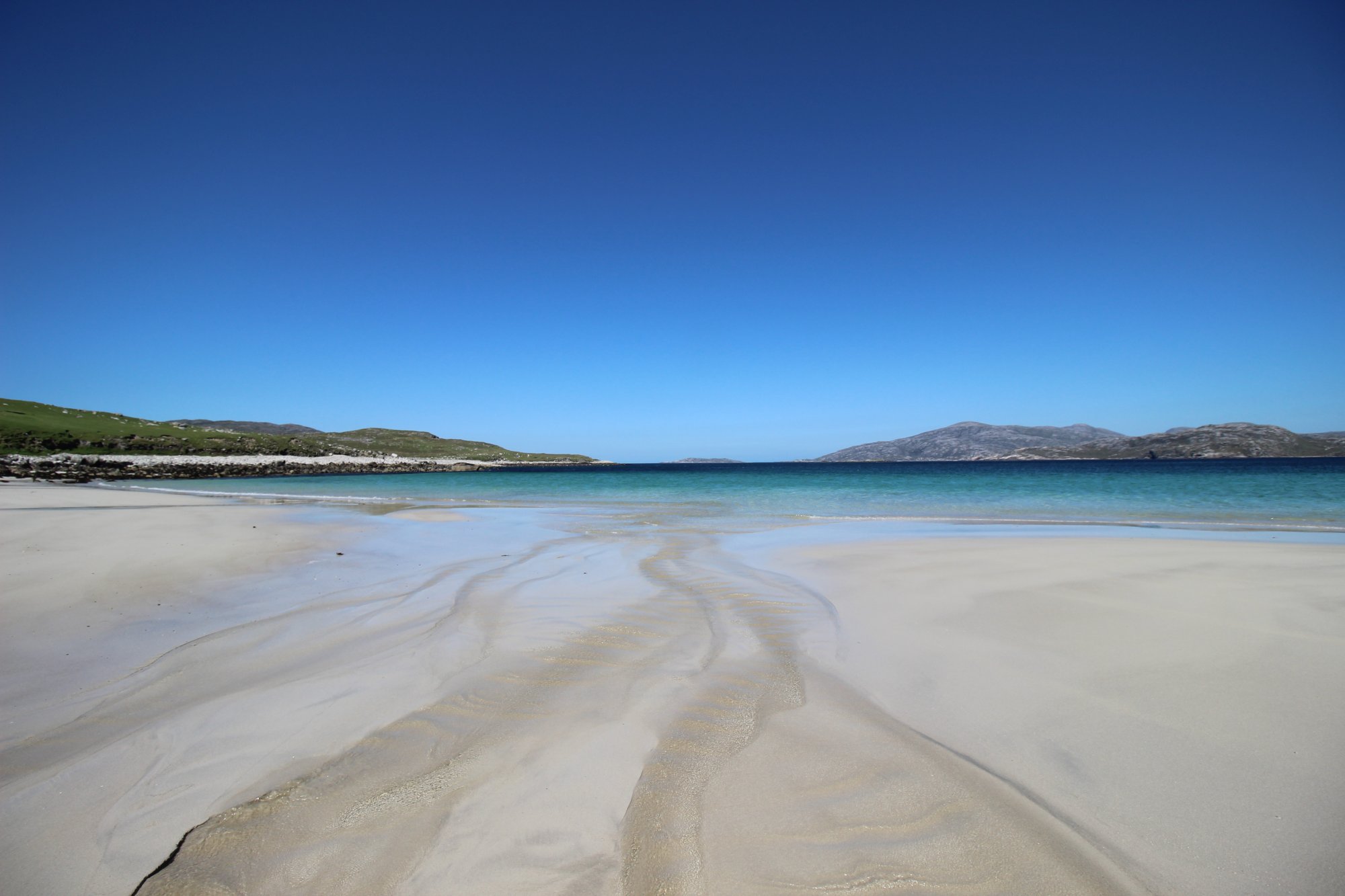
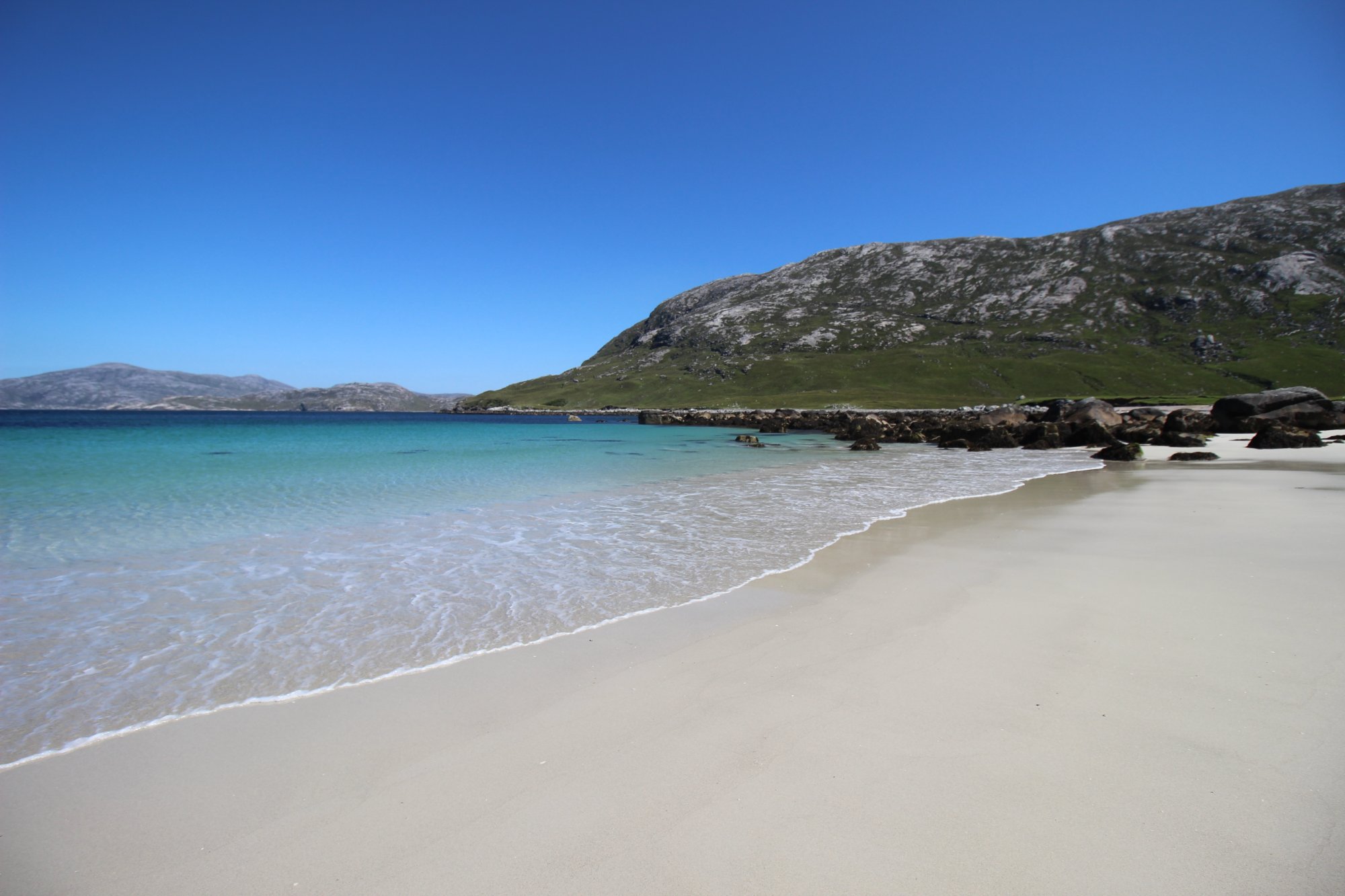
- Biogenic Shell-Sand Composition: The signature pale hue of Cravadale Beach stems from a high concentration of crushed marine organism shells—primarily bivalves and sea urchins—intermixed with weathered quartz grains washed down from the surrounding mountains. This carbonate-rich sand creates a high-albedo shore that glows against the dark peat and rock of the North Harris interior.
- Lewisian Gneiss Flanking: The beach is cradled by outcroppings of Lewisian complex gneiss—metamorphic rock over 2.5 billion years old. These dark, ice-scoured headlands absorb the primary force of Atlantic swells coming through the Sound of Scarp, creating a natural breakwater that allows fine sediments to deposit in a stable, concave pocket.
- Tidal Hydraulics and Brackish Dynamics: Cravadale Beach features a unique hydrological interface where the freshwater outflow from Loch Crabhadail cuts across the northern strand to meet the ocean. During high spring tides, seawater pushes inland into the lower river mouth, creating a dynamic intertidal brackish zone that supports specialized marine algae and crustacean colonies.
The Cultural Blueprint: Coastal Crofting and Maritime Heritage
The coastal fringe behind Tràigh Crabhadail holds deep cultural significance linked to traditional Hebridean land use:
- Machair Grassland Ecology: Immediately behind the sandy strand lies a fragile strip of machair—a rare, fertile coastal grassland unique to Western Scotland and Ireland. Historically, local crofters utilized this shell-rich soil for low-intensity seasonal grazing and seaweed-manured crop cultivation, forming a sustainable agricultural balance that preserved the dune structure.
- Maritime Seclusion and Scarp Connection: Positioned directly across the narrow, treacherous waters of the Sound of Scarp, Cravadale Beach historically served as an informal landing point for coastal kelp harvesting and small-boat transit between the isolated island community of Scarp and the Harris mainland.
The Trail Blueprint: Route Logistics, Navigation, and Safety
Reaching Cravadale Beach requires complete self-sufficiency and careful route planning due to the absence of road infrastructure:
- Overland Access via Huisinis: The standard foot approach begins at the terminus of the B887 road at Huisinis. Hikers must traverse the coastal bridleway past Tràigh Mheilein before cutting inland over rough, trackless moorland around Sron nam Fiadh and Loch na Cleabhaig. Formal paths cease after the headland, requiring map and compass navigation.
- Hydrological and Wetland Hazards: Crossing the peat bogs and small hill burns behind Cravadale Beach can be challenging, particularly after heavy rainfall when streams swell rapidly. Waterproof, high-ankle bootwear with aggressive soles is essential for maintaining traction on saturated turf and slick coastal gneiss.
- Environmental Preservation (Leave No Trace): As an unserviced strand with no waste facilities or lifeguards, visitors must adhere to strict environmental protection protocols. Camping must be low-impact, fires should be avoided on fragile machair turf, and all waste must be packed out to protect nesting shorebirds and local seal colonies.