

The Colinton Tunnel: A Kaleidoscope of Art and Heritage in Edinburgh
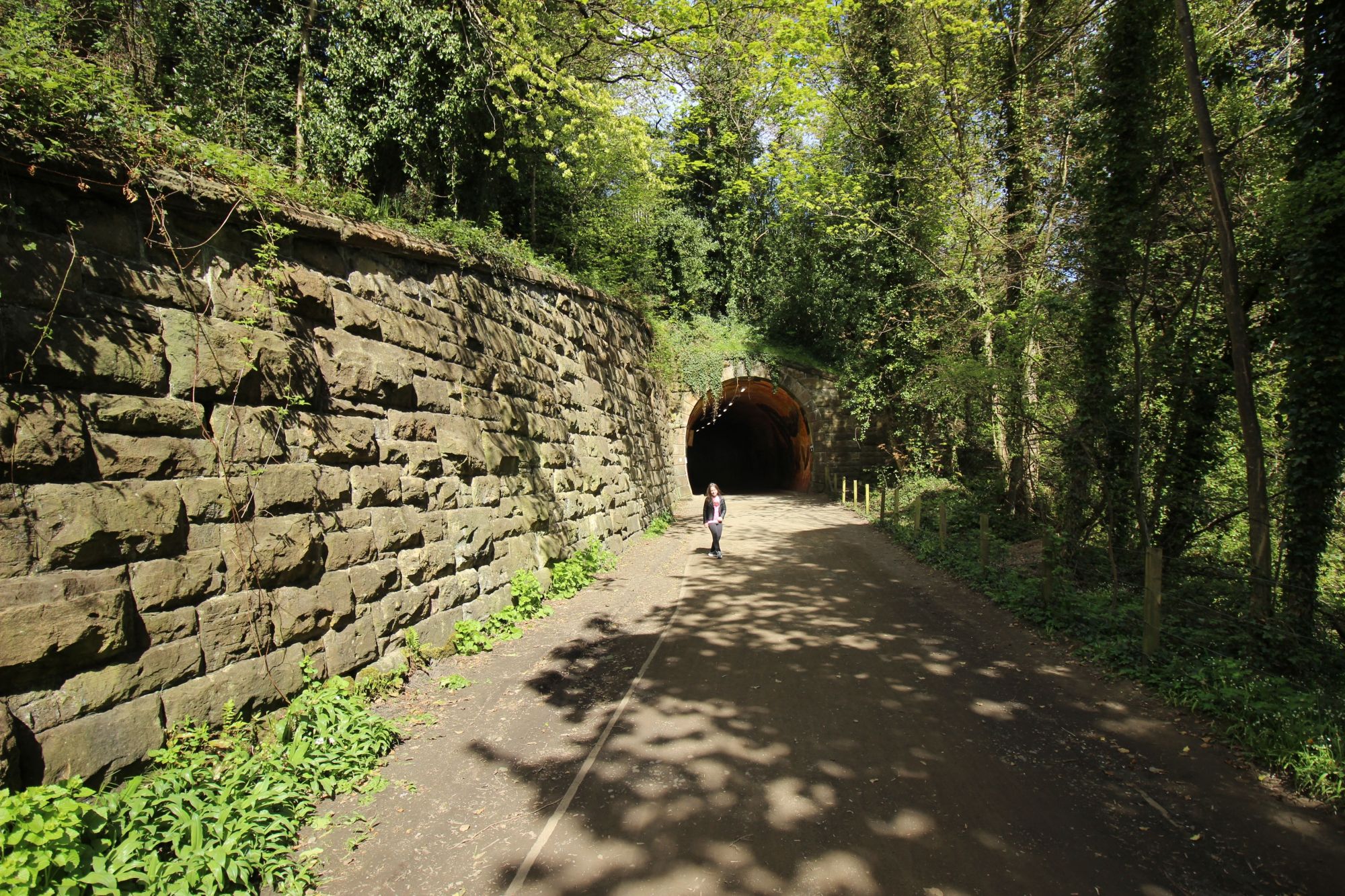
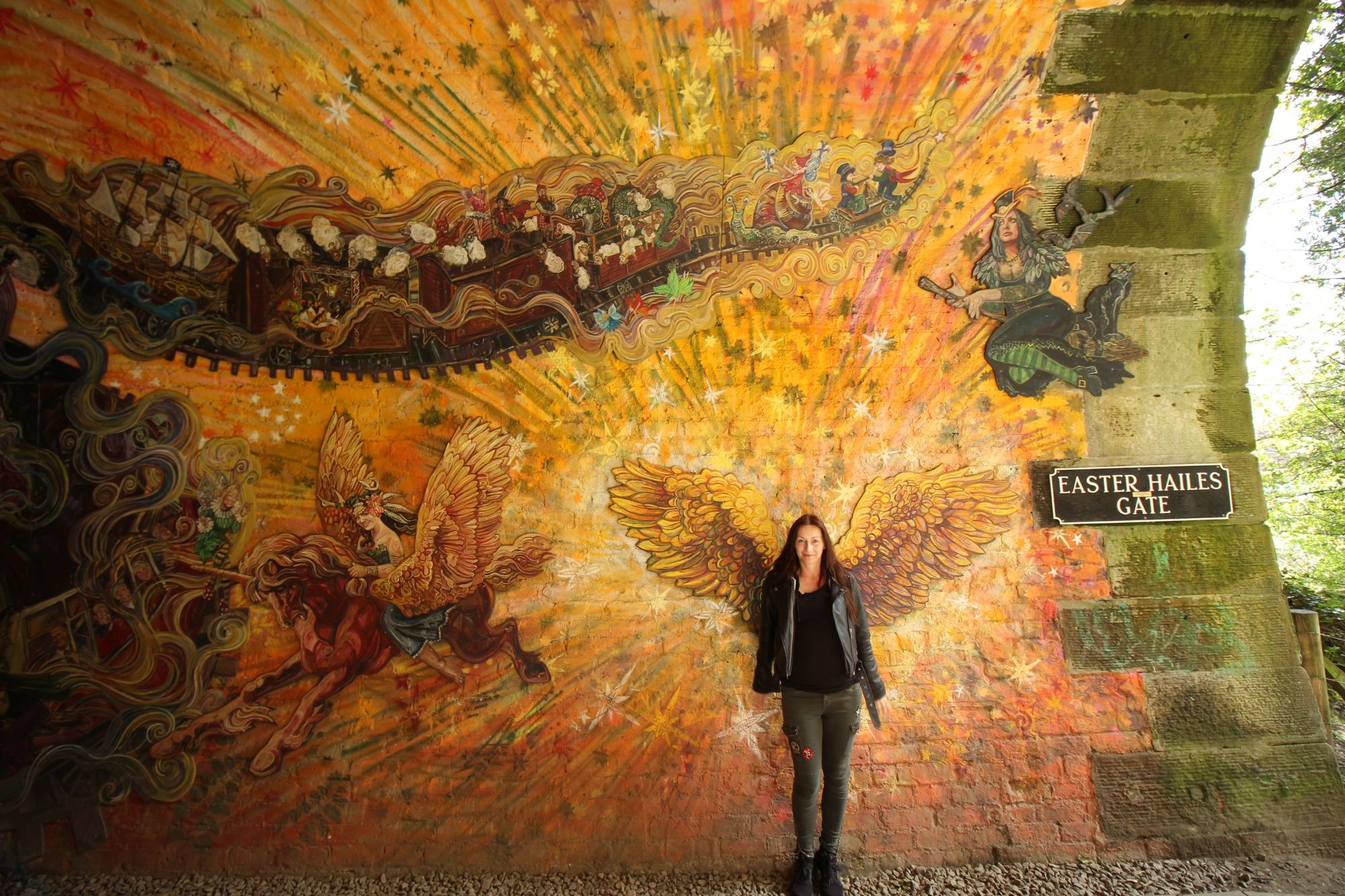
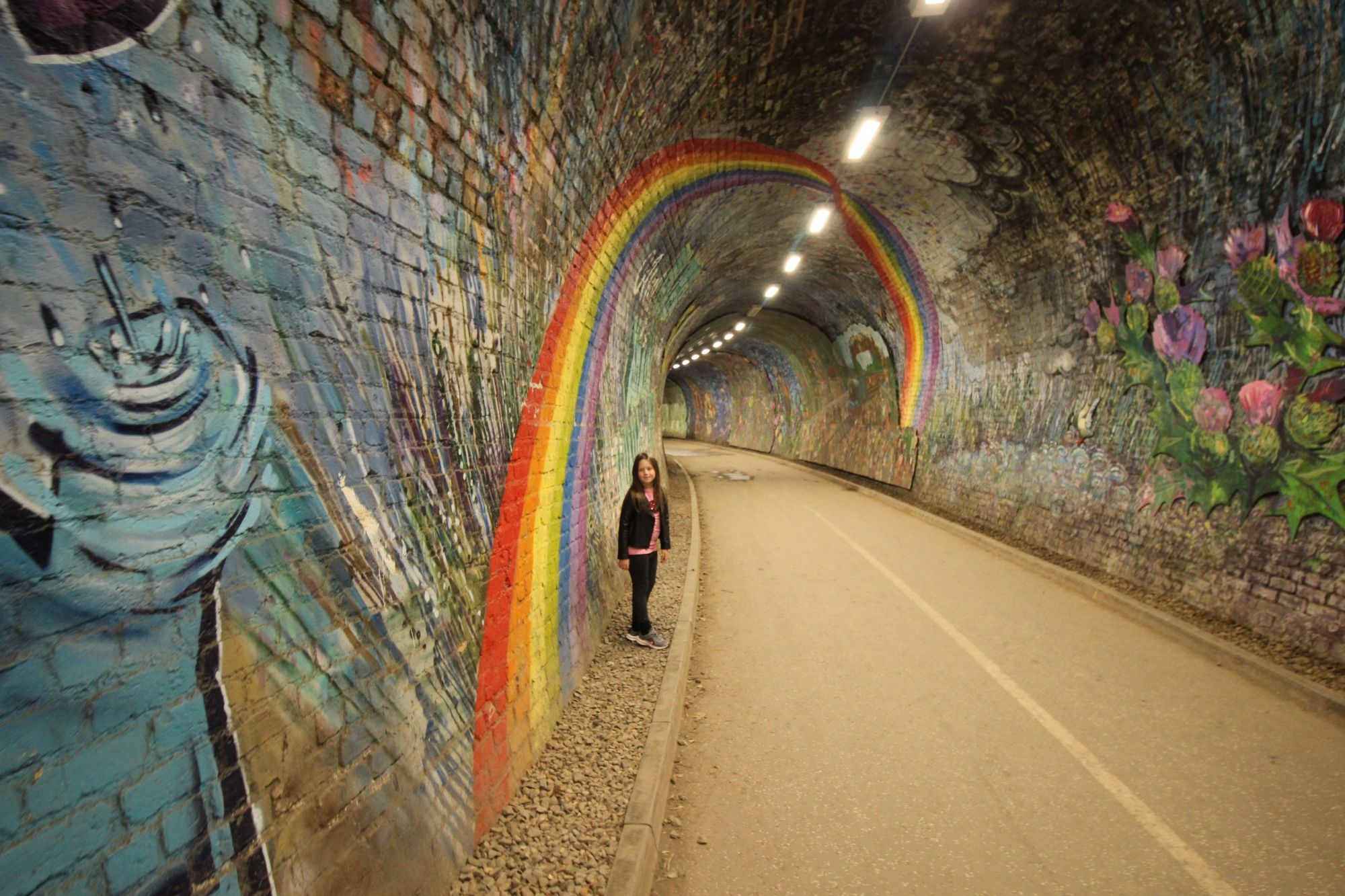
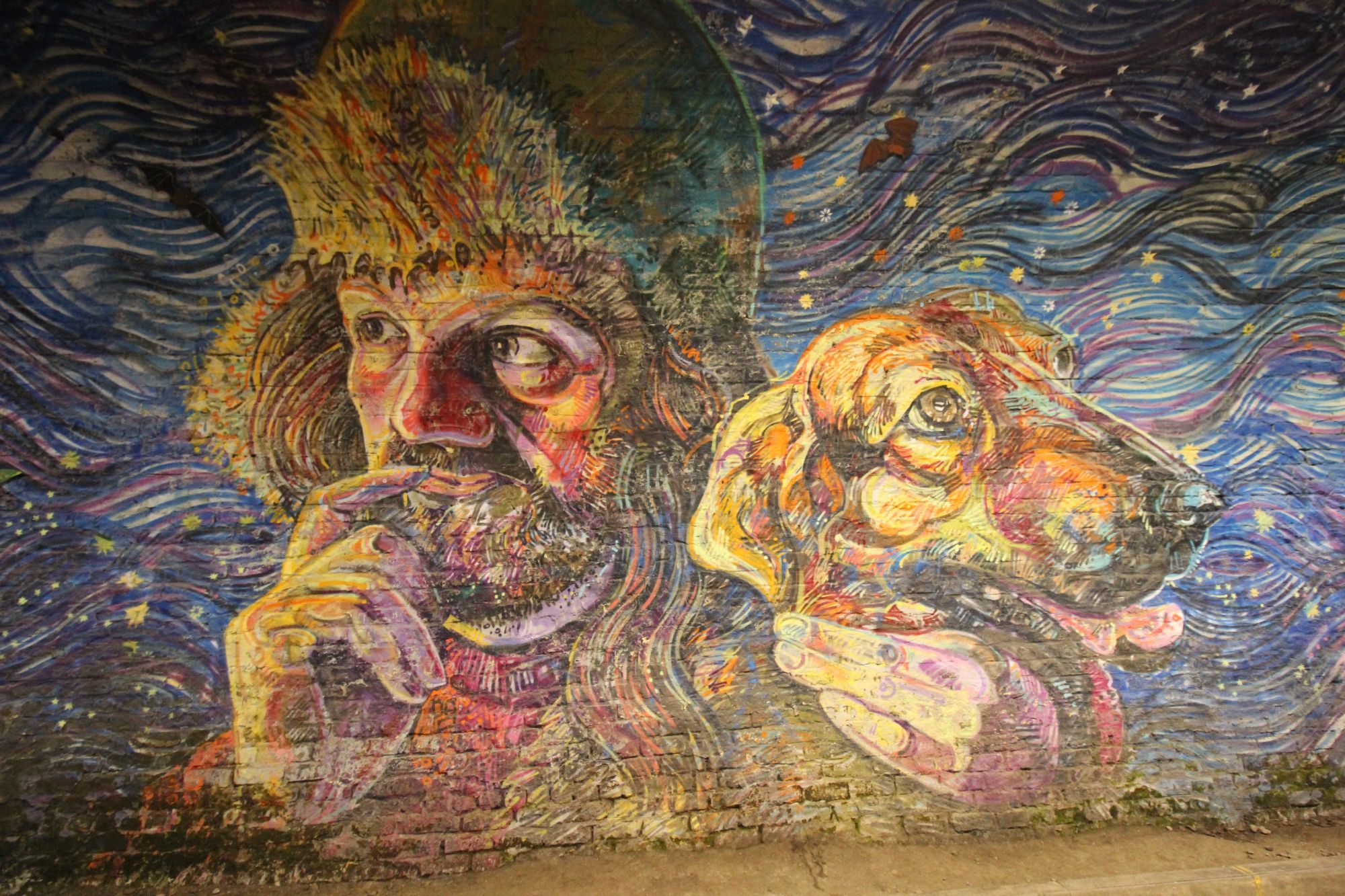
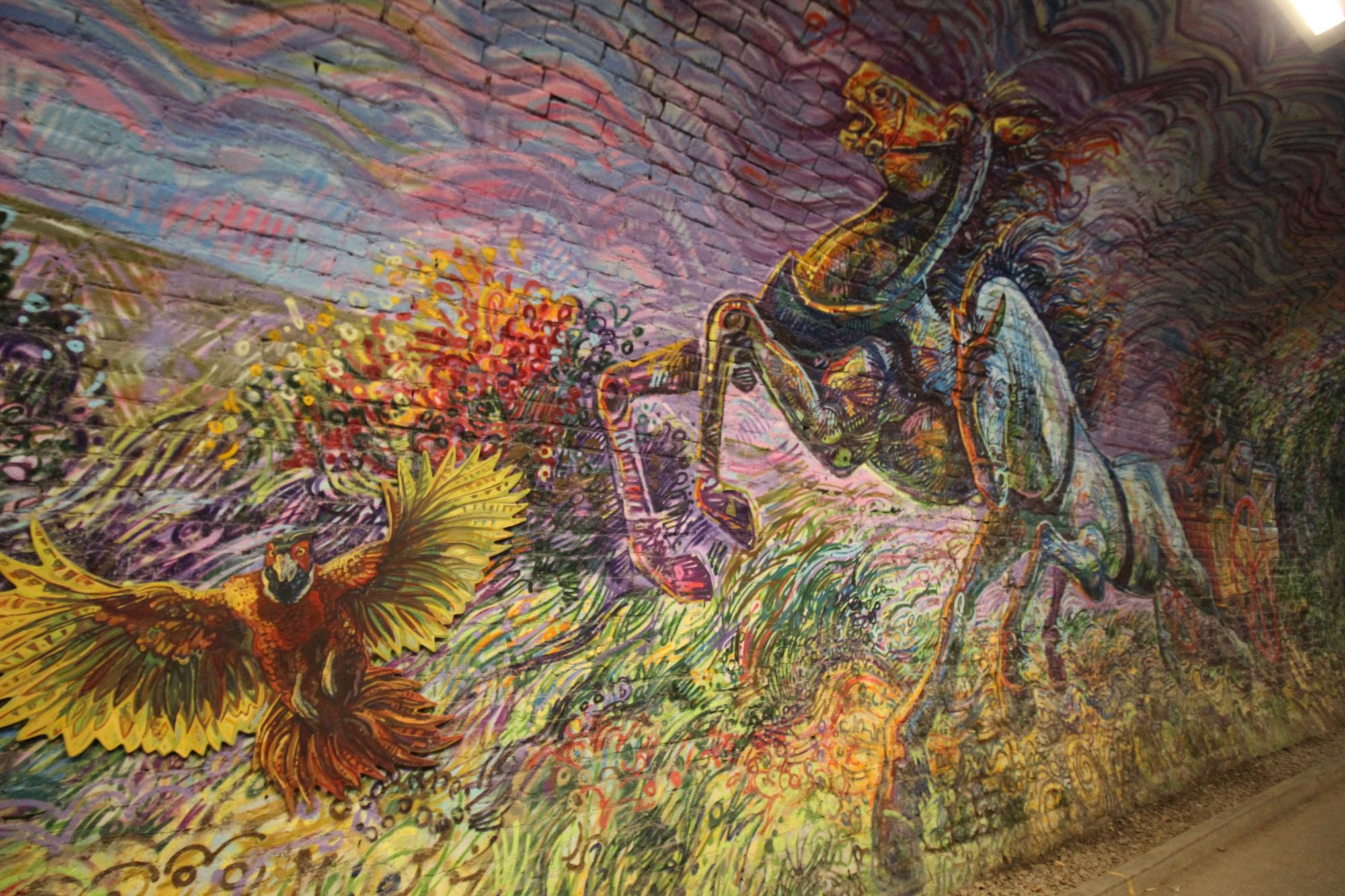
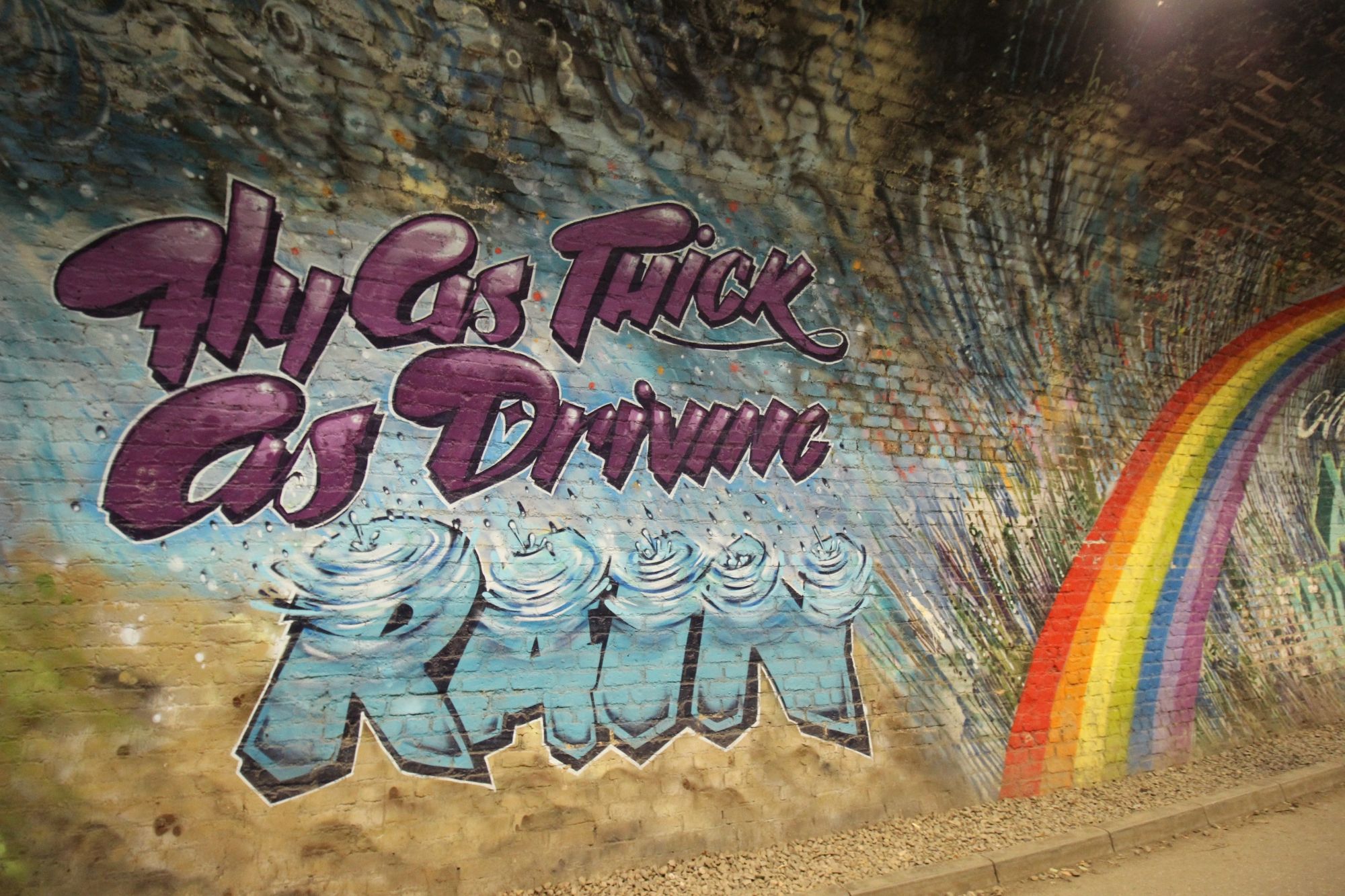
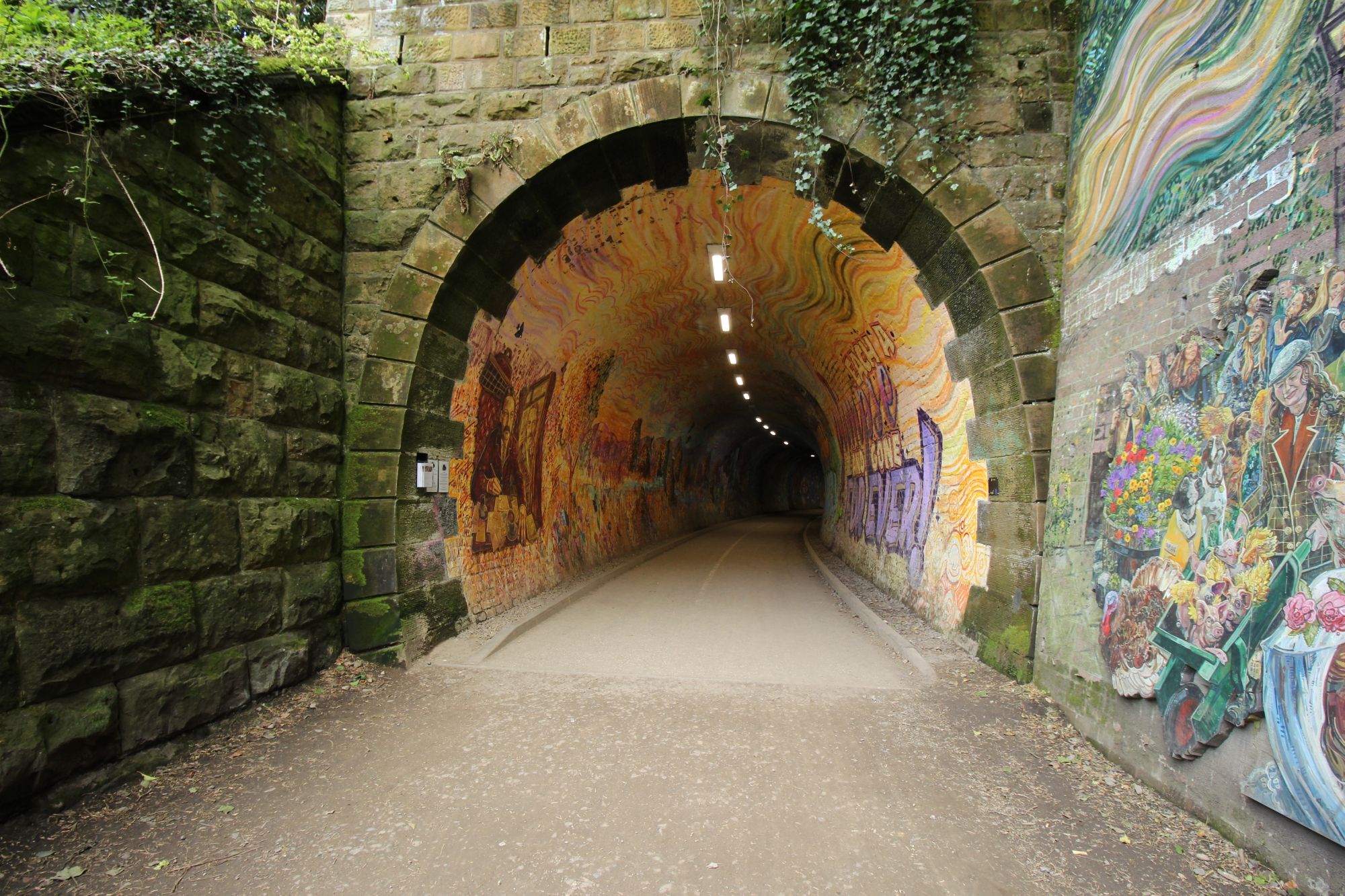
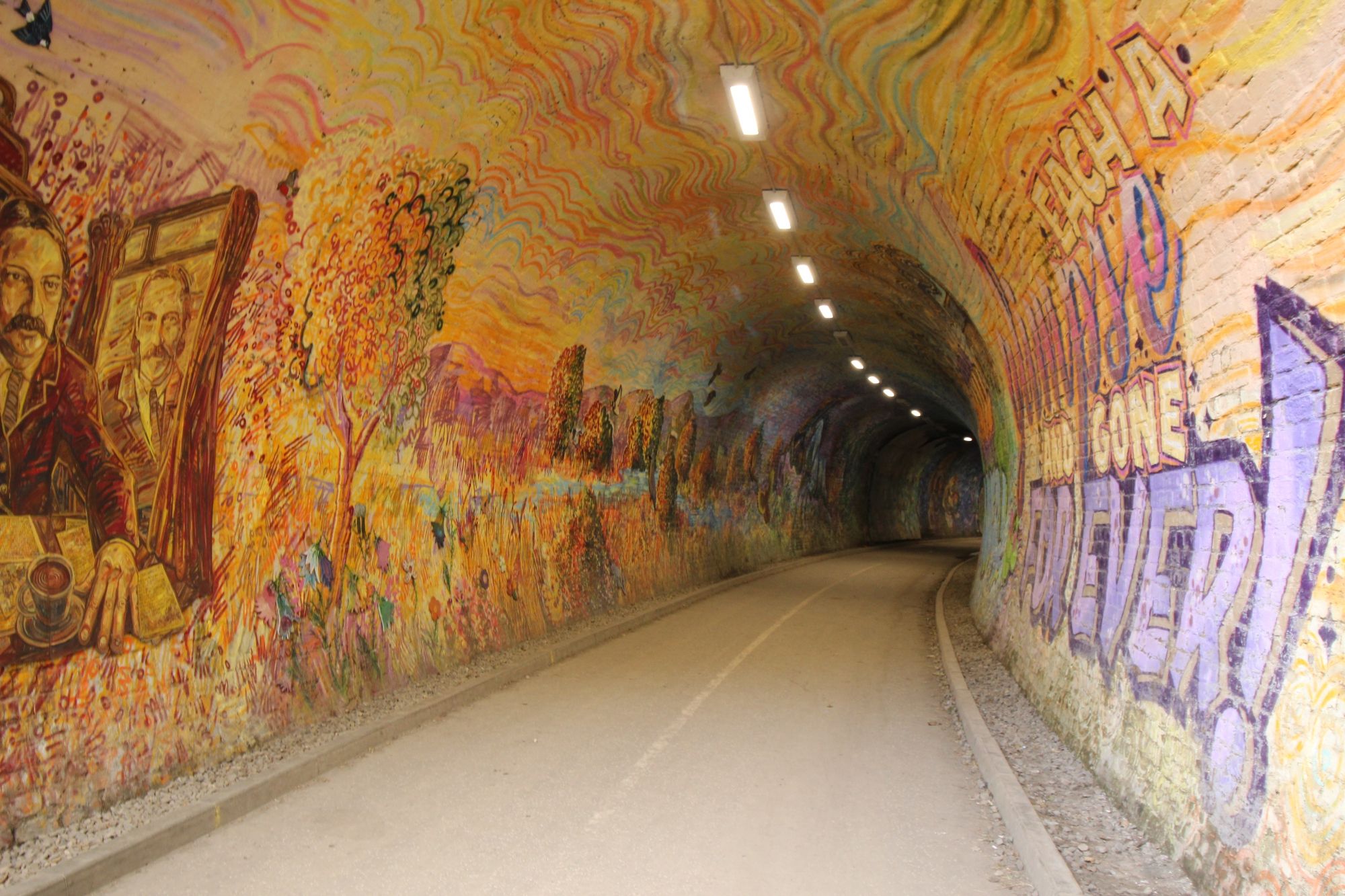
Tucked away in the leafy, historic suburb of Colinton in the southwest of Edinburgh, The Colinton Tunnel is one of the most vibrant, surprising, and uplifting hidden gems in the entire city. Once a dark, damp, and forgotten relic of the Victorian railway era, this 140-meter-long Victorian train tunnel has been utterly transformed into a spectacular, kaleidoscopic explosion of color and community spirit. It now stands proudly as the largest mural of its kind in Scotland, lining the path of the Water of Leith Walkway. For visitors exploring Edinburgh’s quieter corners, the tunnel is an absolute favorite—a magical sensory experience where cold stone is brought to life by thousands of liters of paint. Stepping inside takes you on a visual journey through local heritage, poetry, and industrial history, turning an ordinary afternoon walk or cycle into an unforgettable encounter with world-class street art.
From Smoke to Paint: The Railway Heritage
The tunnel itself was originally constructed in 1867 as part of the Balerno Branch Line, a vital railway network designed to service the numerous historic paper, textile, and flour mills that lined the rushing waters of the Water of Leith. For nearly a century, steam trains rumbled through this narrow curving passage, filling the stone arches with soot and smoke until the line was finally closed to passengers in 1943 and completely lifted in the late 1960s. For decades, the empty shell sat as a gloomy, heavily vandalized underpass. The incredible metamorphosis began in 2018 when a dedicated local community trust commissioned acclaimed street artist Chris Rutterford, alongside over a hundred local schoolchildren, youth groups, and volunteers, to reclaim the space. Over three years of meticulous painting transformed the damp stone walls into a continuous, flowing tapestry that honors the industrial workers, steam trains, and natural wildlife that have defined Colinton Dell for centuries.
The Poem in Paint: Robert Louis Stevenson’s Inspiration
The conceptual heartbeat of the mural is deeply tied to one of Scotland’s greatest literary figures, Robert Louis Stevenson. As a child, Stevenson spent his summer holidays visiting his grandfather, who was the parish minister at the nearby Colinton Parish Church. The lush, wooded valley of the Colinton Dell and the sights of the early railway line profoundly influenced his imagination, inspiring his famous 1885 poem, *"From a Railway Carriage"*. The lines of this frantic, rhythmic poem—which mimics the fast, hypnotic click-clack of a steam train—are beautifully calligraphed across the tunnel walls, interwoven directly into the artwork. As you walk through the passage, the words guide your eye past painted landscapes of charging steam engines, soaring kingfishers, leaping trout, and whimsical historical characters, creating a brilliant multimedia experience where literature and visual art merge seamlessly under the ground.
Visiting in 2026: Practical Information and Access
In 2026, the Colinton Tunnel is easily accessible and completely free to visit at any time of day, making it an exceptional stop for hikers, cyclists, and families alike. Located along the Water of Leith Walkway and National Cycle Route 75, it is seamlessly integrated into Edinburgh’s green transport network. For those arriving by car, limited free parking is available near Colinton Parish Church or within Colinton Village, from which a short, beautiful 5-minute walk through the mature woodland of the Dell leads you straight to the tunnel entrance. Alternatively, excellent municipal bus links (such as Lothian Bus routes 10 or 16) run regularly from Edinburgh city center to Colinton. The tunnel is fully paved, level, and well-lit by modern LED spotlights that run 24/7, making it completely wheelchair and pram accessible, and providing an ideal, weather-proof attraction for a rainy Scottish afternoon.
Practical Tips for Content Creators and Visitors
For photographers and videographers, the Colinton Tunnel is an incredibly rewarding playground that offers endless creative framing opportunities. To capture the full grandeur of the mural, using a wide-angle lens is highly recommended, as the curved structure of the tunnel creates a beautiful, sweeping perspective that pulls the viewer into the color. Because the tunnel is popular with local commuters, dog walkers, and cyclists, the optimal times for capturing clear, uninterrupted footage or long exposures are early weekday mornings or late evenings. The modern LED lighting system does an excellent job of illuminating the artwork, but bringing a camera with strong low-light capabilities will help capture the rich textures of the paint against the old Victorian brickwork without digital noise. After exploring the tunnel, visitors should take time to wander into historic Colinton Village itself, which boasts charming independent cafés, traditional stone cottages, and cozy local pubs perfect for a post-walk coffee or pint.
Conclusion: A Triumph of Community Art
The Colinton Tunnel is a triumphant example of how public art can rejuvenate a forgotten space and bring a community together. It has successfully turned a potentially intimidating, dark urban underpass into a joyful sanctuary of color, poetry, and shared history. It is a destination that captures the whimsical, creative spirit of Edinburgh perfectly, offering a stark and beautiful contrast to the grand stone architecture of the city center. Whether you are a fan of Scottish literature, an admirer of vibrant street murals, or simply a traveler looking for a unique walk through a historic woodland dell, the Colinton Tunnel leaves a lasting, joyful impression on the soul—a glowing testament to the magic that happens when history meets imagination.