

Cawdor Castle: The Romantic Highland Stronghold of Myth and Legend
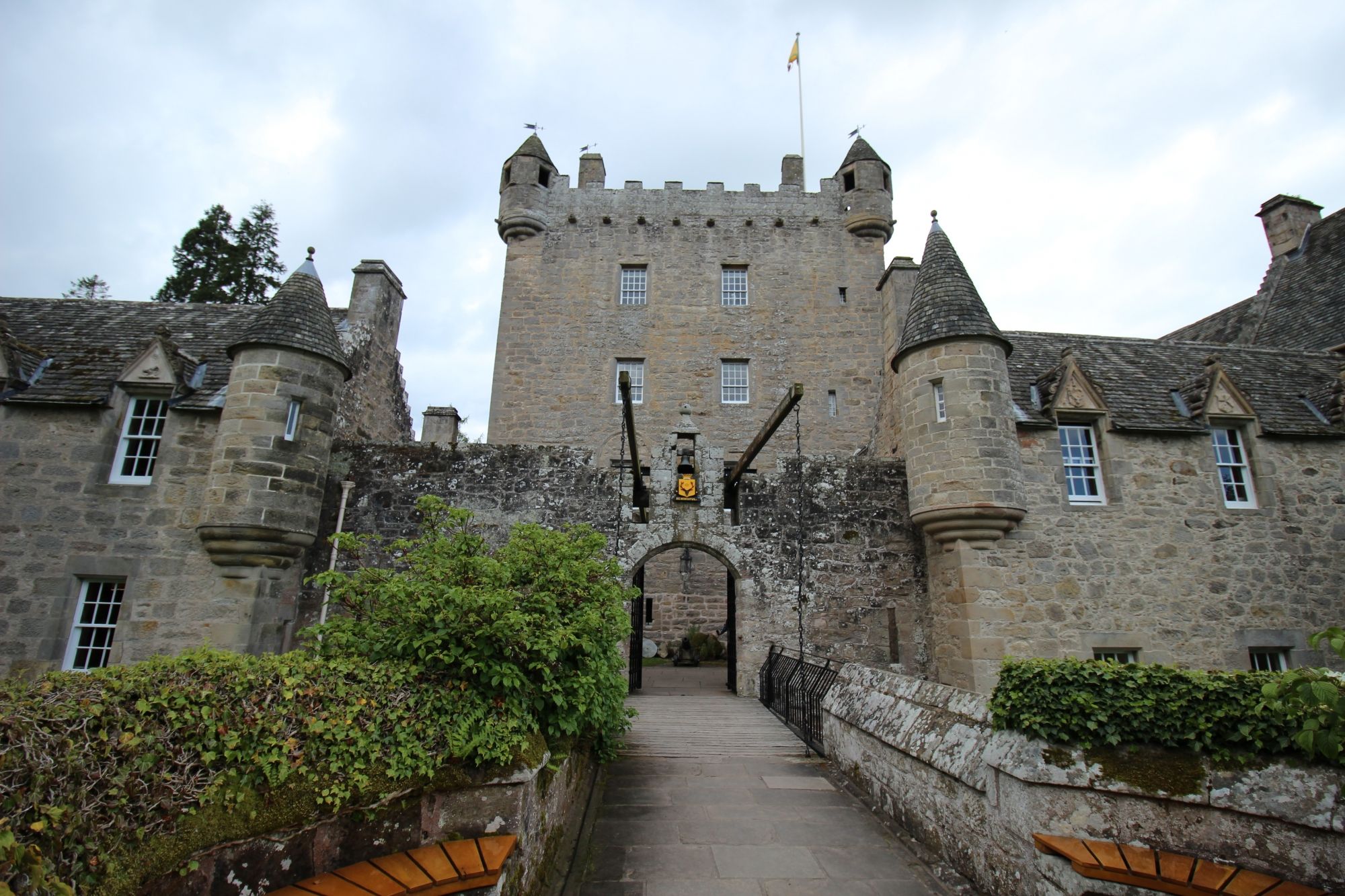
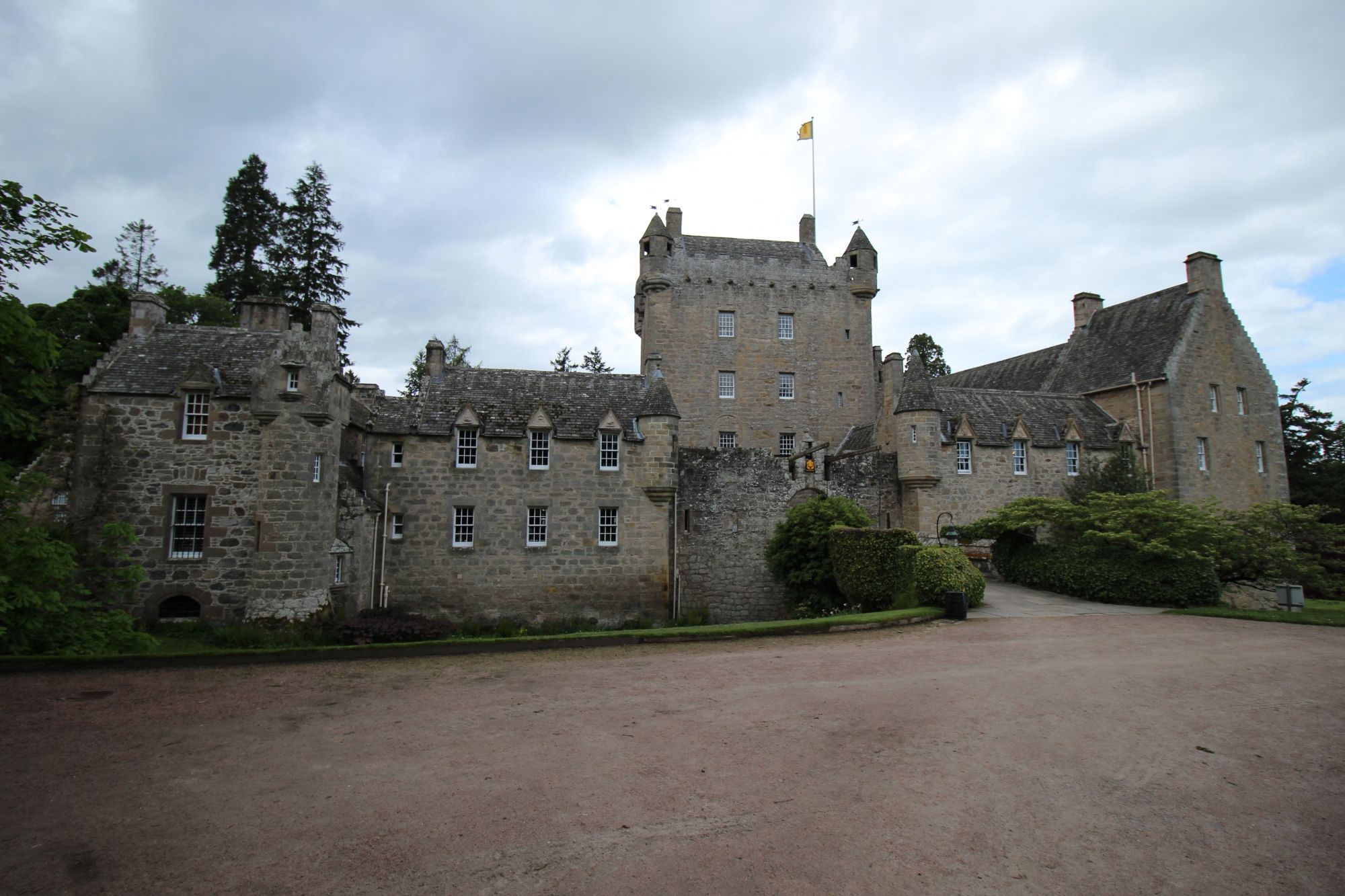
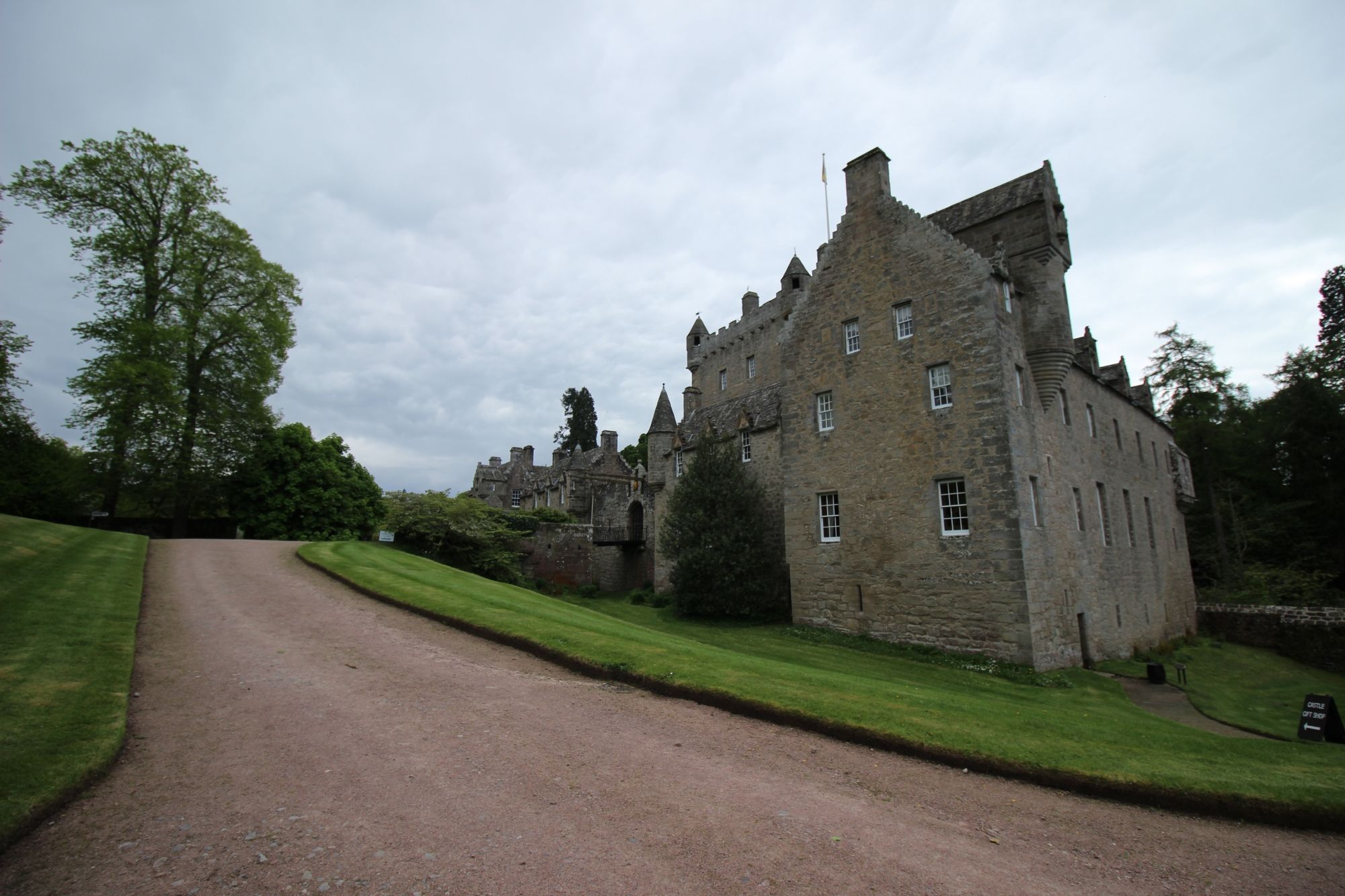
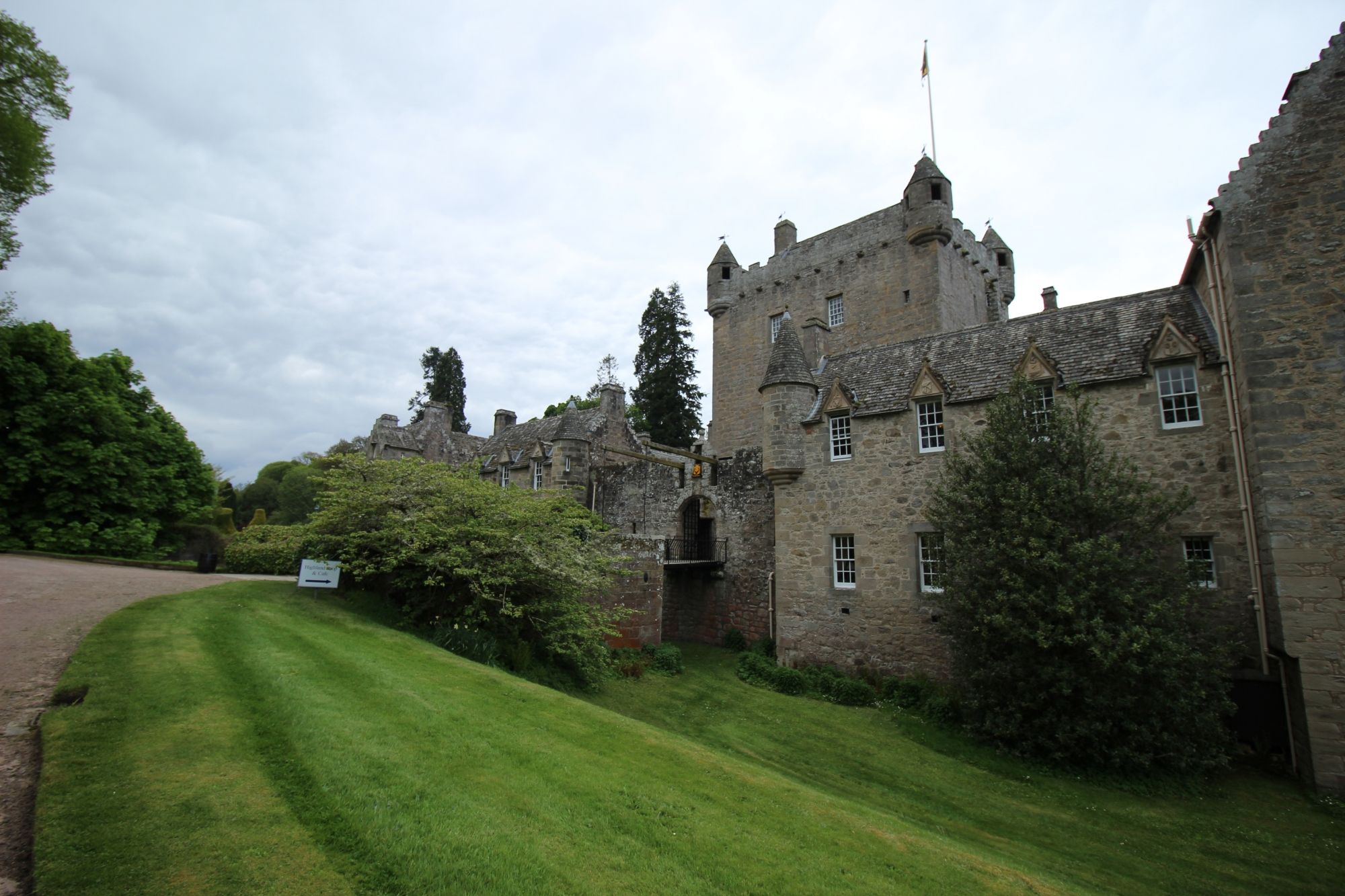
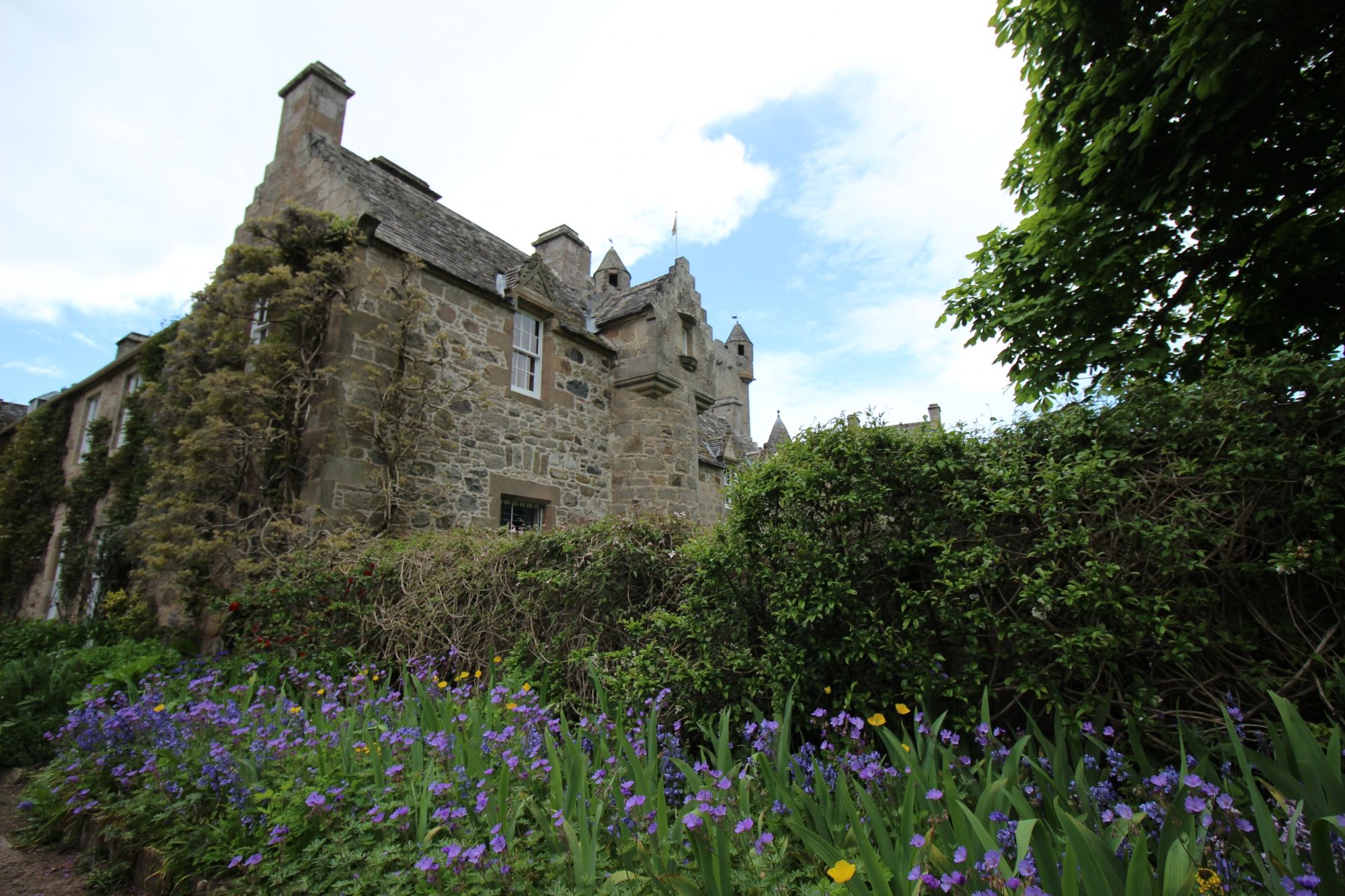
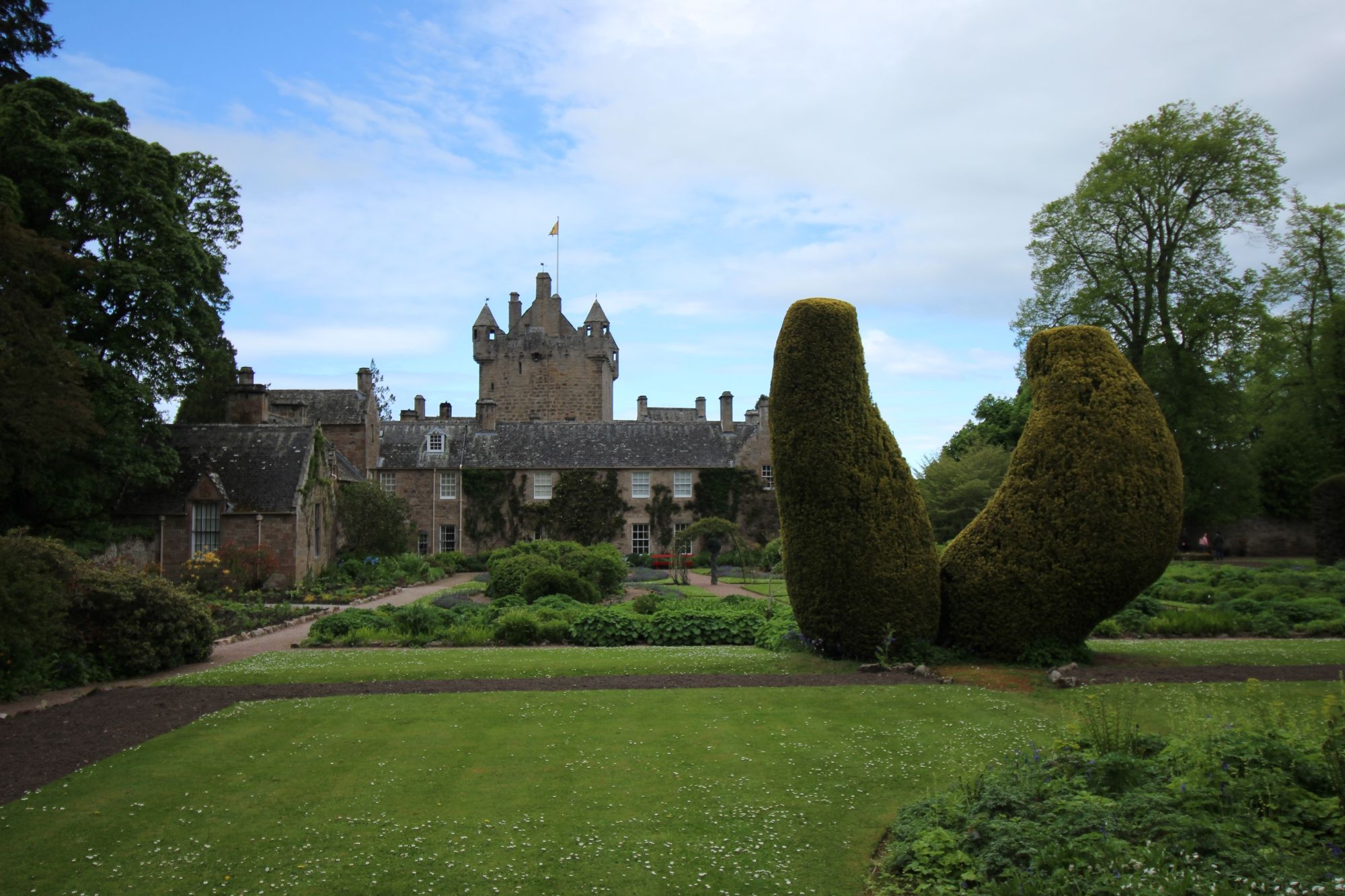
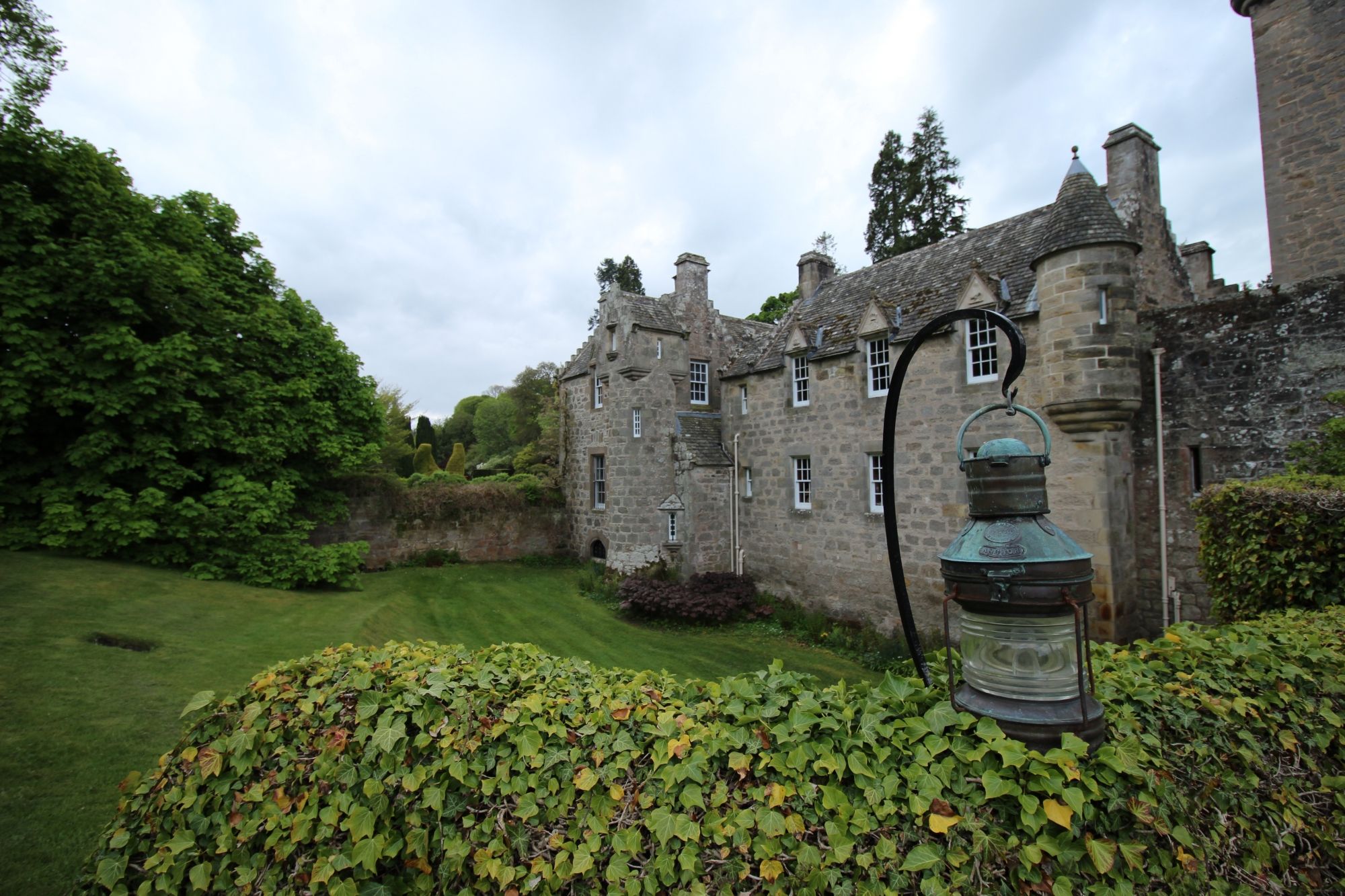
Immersed in a timeless atmosphere of fairy-tale romance and ancient lore, Cawdor Castle stands as one of the most beautifully preserved and continuously inhabited baronial fortresses in the Scottish Highlands. Located just five miles southwest of Nairn, this remarkable 14th-century tower house has evolved over centuries into a magnificent country mansion, seamlessly blending grim medieval defenses with elegant domestic architecture. Unlike many of Scotland's historic strongholds that fell into ruin or became cold museums, Cawdor remains a living home, traditionally occupied by the Campbell family for generations. Its pristine stone walls, complete with a dry moat, drawbridge, and crenellated battlements, evoke the romantic essence of Scotland’s past, perfectly bridged by a tapestry of magnificent gardens, ancient woodlands, and an unforgettable literary legacy.
The Legend of the Thorn Tree
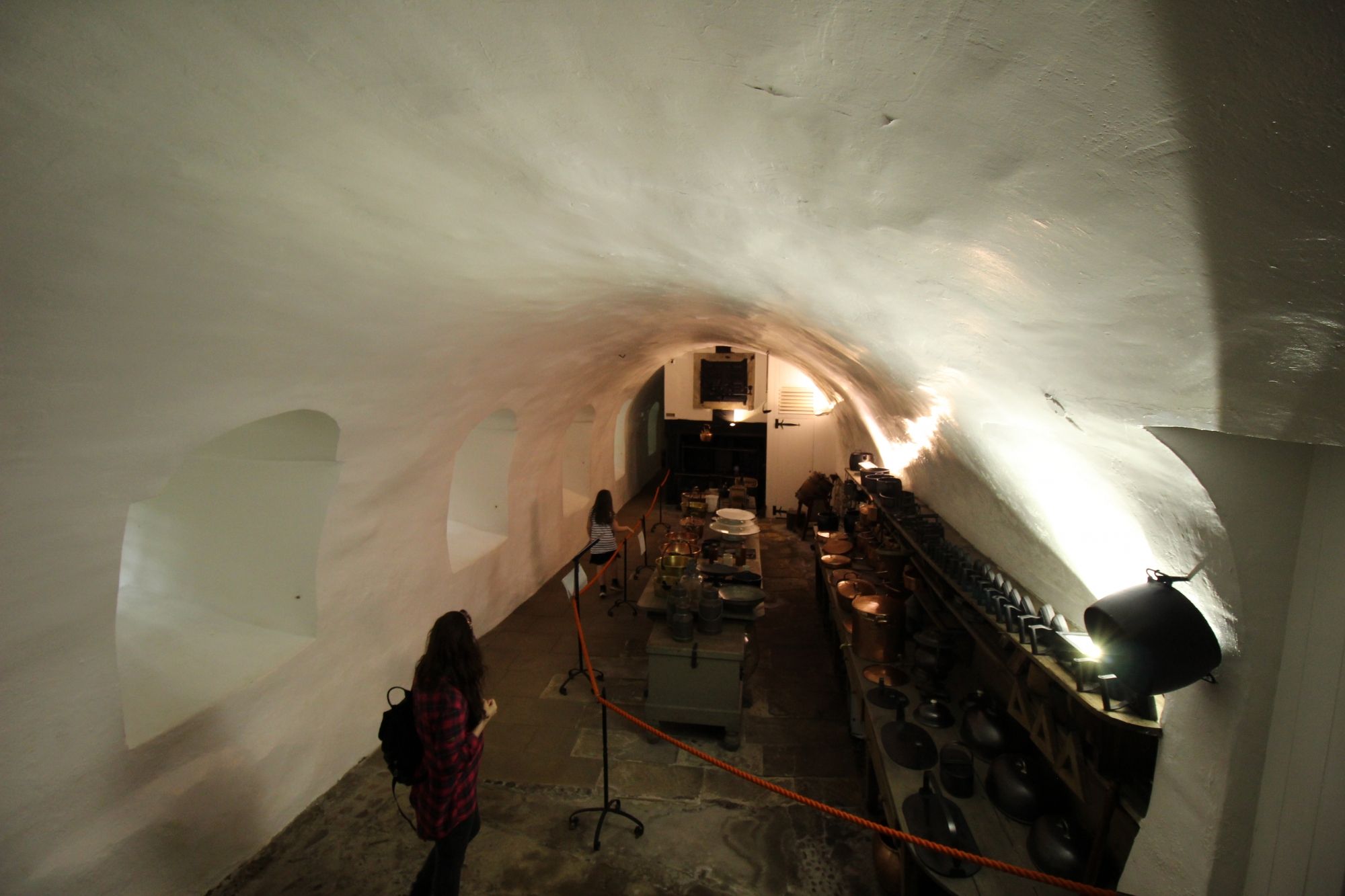
The very foundation of Cawdor Castle is rooted in a fascinating, whimsical piece of Highland folklore. According to family tradition, the Thane of Cawdor decided to construct a new, secure stronghold in the late 14th century but was unsure of the best location. Seeking divine guidance, he loaded a chest full of gold onto the back of a donkey and allowed the animal to roam freely across the estate, vowing to build his castle wherever the donkey chose to lie down to rest. The donkey eventually settled beneath the branches of a holly tree growing on a low ridge near the Cawdor Burn. The Thane kept his promise, building the massive central stone tower directly around the living tree. Today, visitors can still descend into the castle's vaulted stone cellar to view the preserved, carbon-dated remains of this legendary holly tree (historically referred to as the "thorn tree"), which has stood silently at the heart of the fortress for over 600 years.
The Shakespearean Connection: Macbeth's Mythic Home
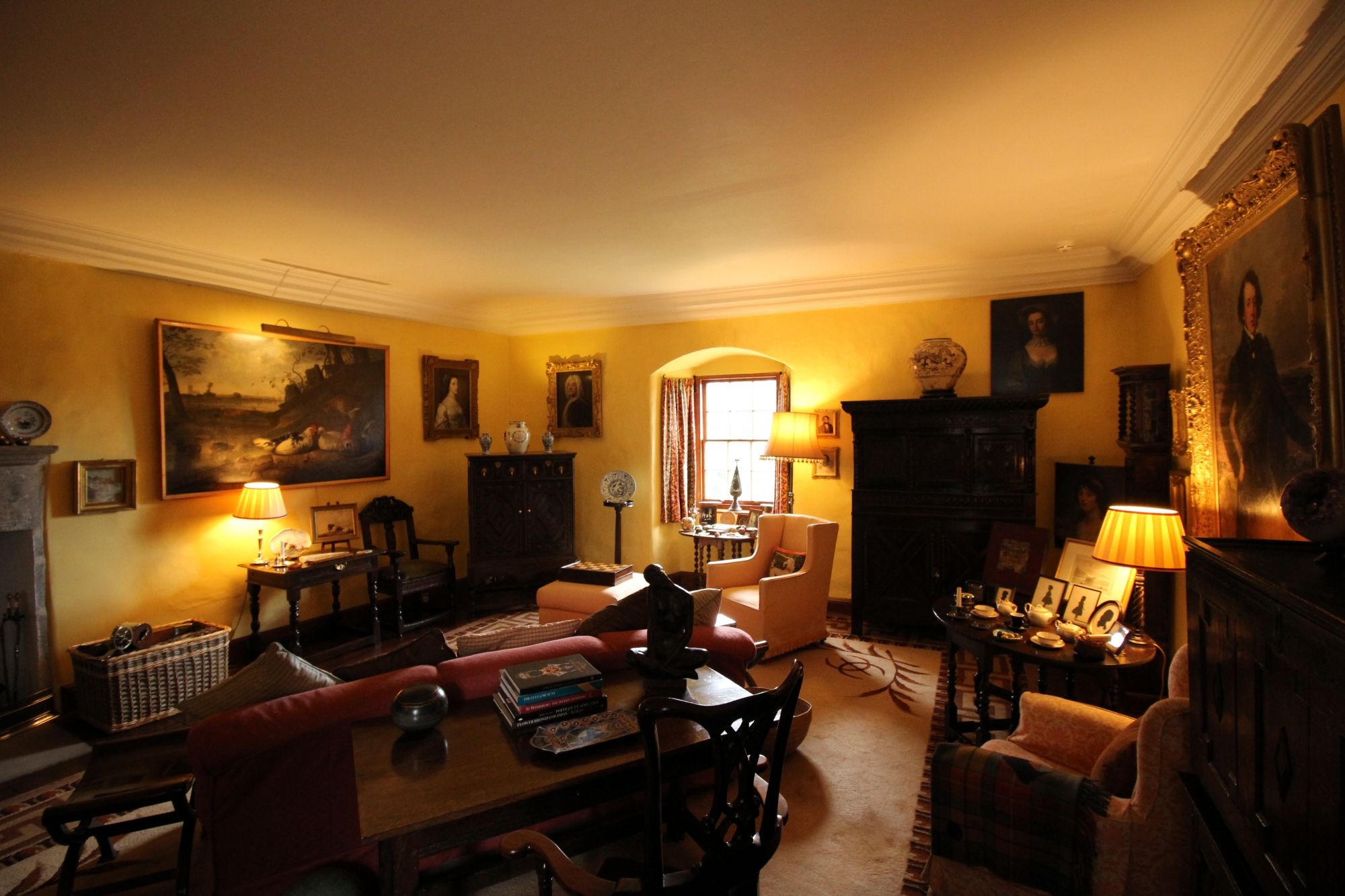
To millions of visitors worldwide, Cawdor Castle is inextricably linked with William Shakespeare’s legendary tragedy, Macbeth. In the play, the Three Witches famously prophesy that Macbeth will be granted the title of "Thane of Cawdor," a prophecy that quickly comes true, leading him to commit the regicide of King Duncan. While this literary connection lends a wonderfully dramatic, gothic mystique to the castle, it is a brilliant historical fiction. The real King Macbeth ruled Scotland in the 11th century—nearly 300 years before the first stones of the current castle were ever laid. Nevertheless, the modern Thanes of Cawdor have long maintained a good-humored relationship with the Bard's work, and the castle's dramatic rooms, filled with magnificent 17th-century tapestries, fine portraits, and historic armor, perfectly capture the grand, theatrical spirit of Scotland's royal history.
The Splendor of the Cawdor Gardens
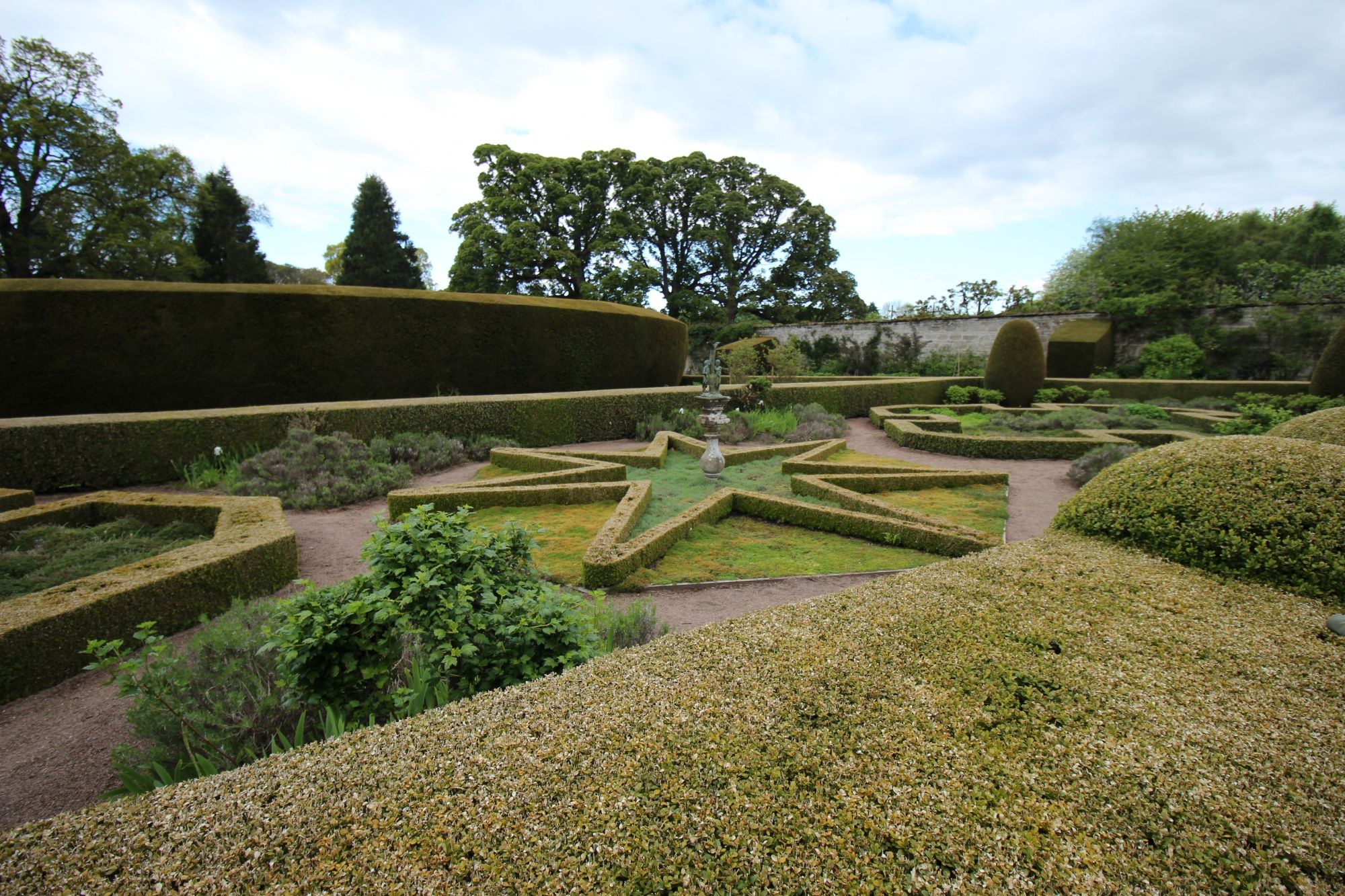
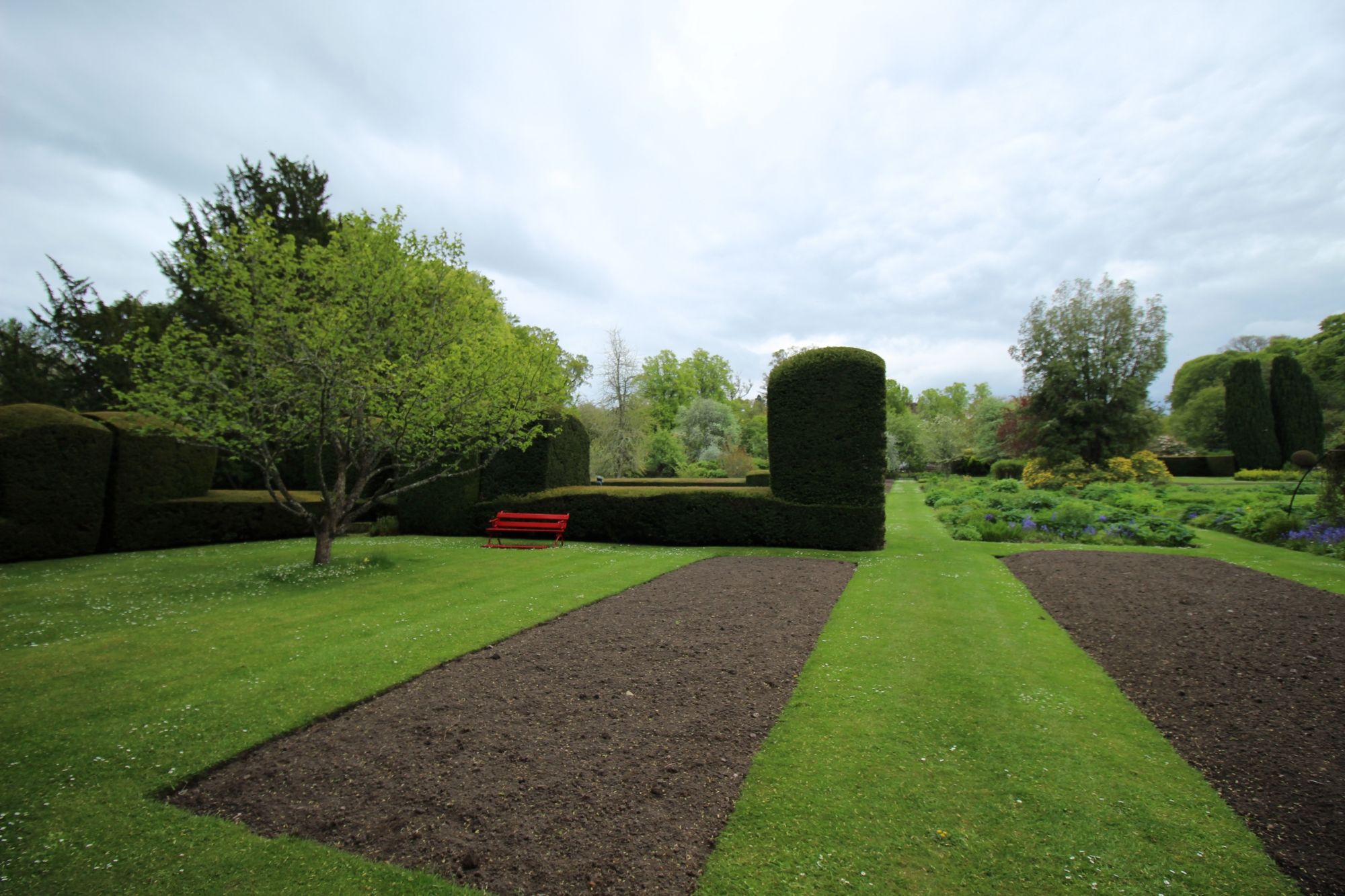
Beyond its imposing stone walls, Cawdor Castle is universally renowned for its extraordinary, multi-layered gardens, which offer a vibrant contrast to the austere medieval architecture. The estate features three distinct formal garden areas, each boasting its own unique character:
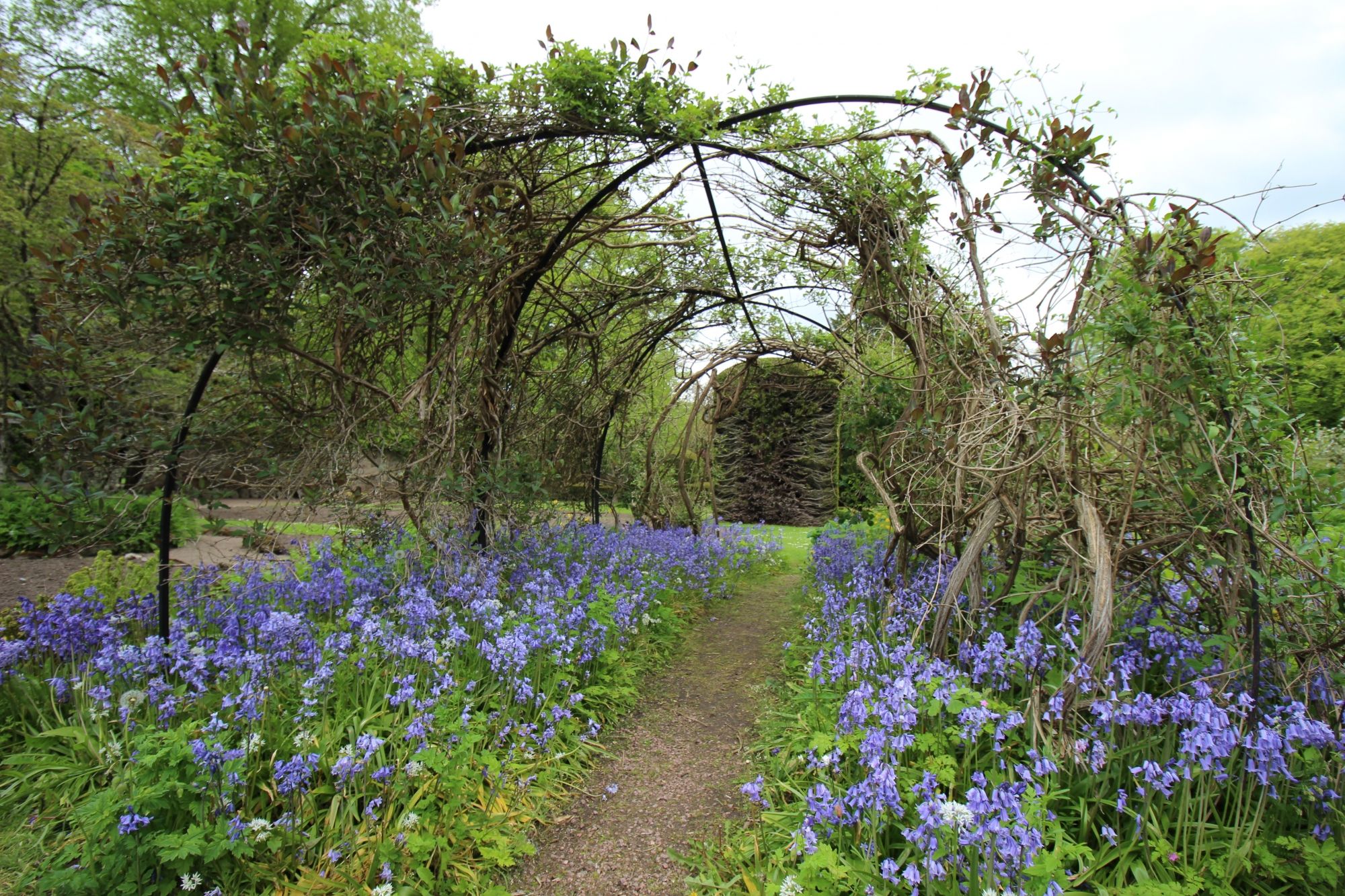
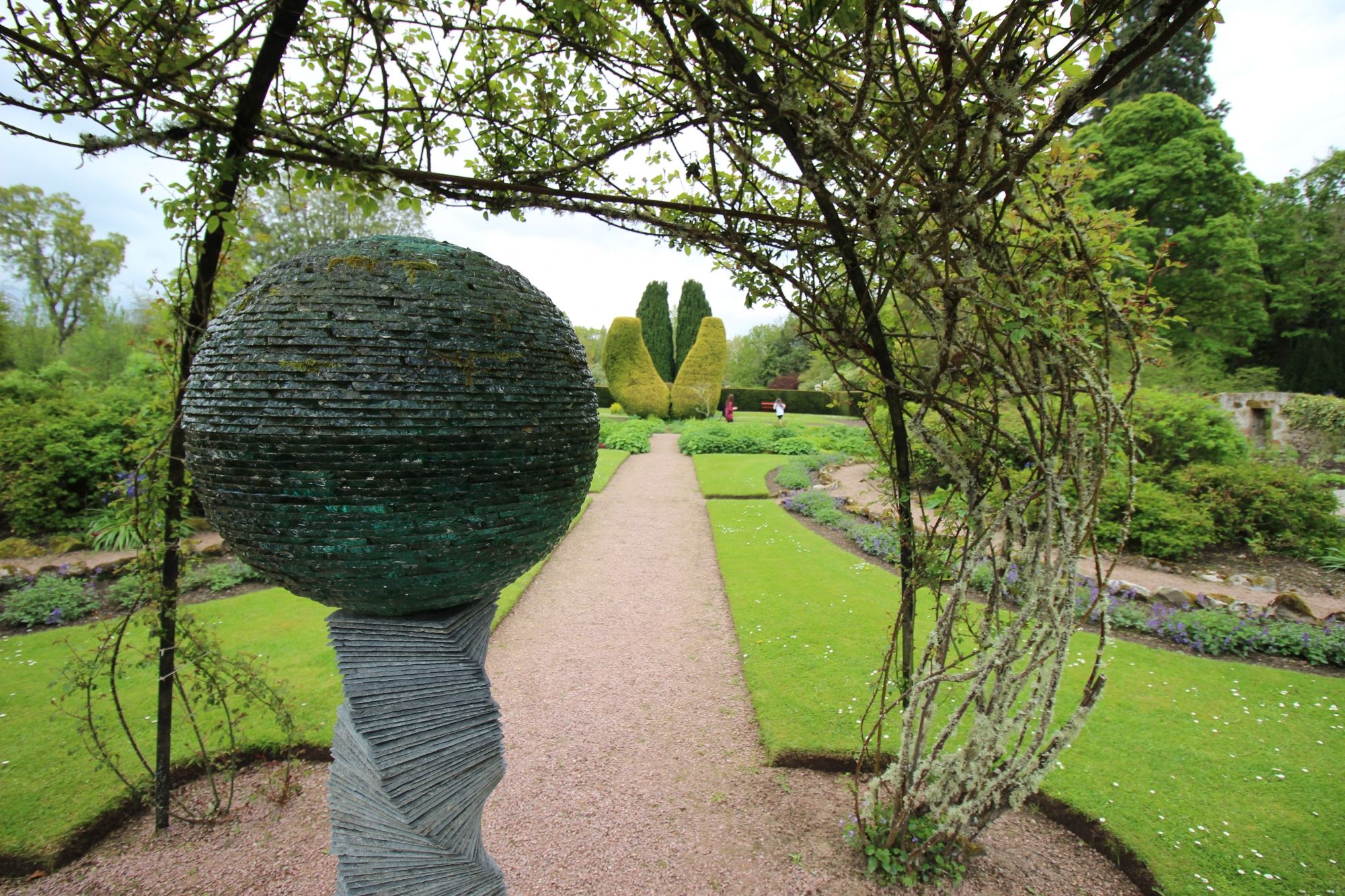
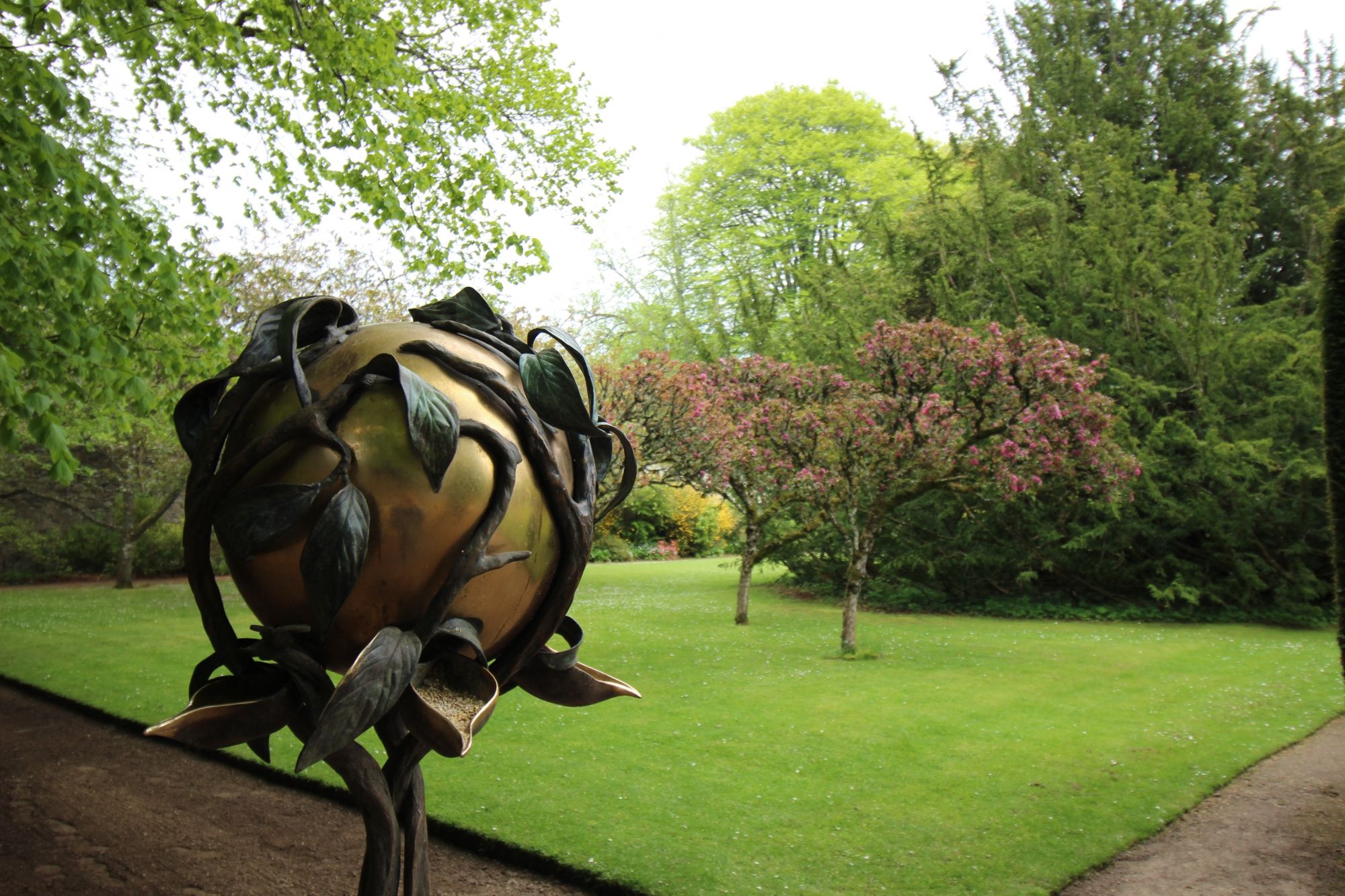
- The Walled Garden: Originally laid out in the 17th century, this beautifully manicured space features a captivating holly maze, romantic rose borders, a kitchen garden, and a collection of contemporary sculptures nestled among the vibrant flora.
- The Flower Garden: Redesigned in the 18th century, this elegant terrace garden offers sweeping displays of lavender, sweeping herbaceous borders, and magnificent, ancient fruit trees that burst into color during the summer months.
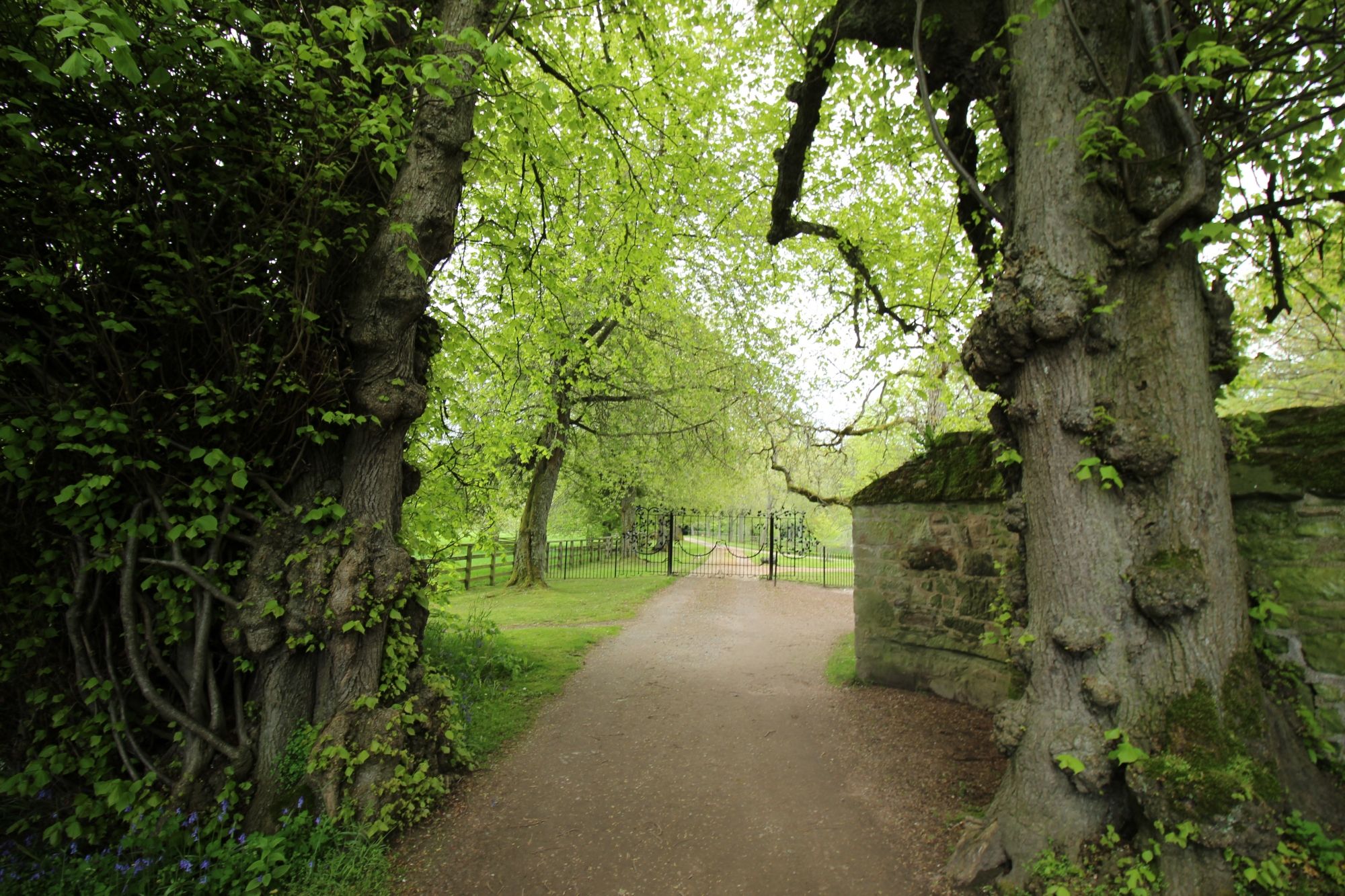
- The Wild Garden: A more informal, naturalistic woodland garden that unfurls along the banks of the Cawdor Burn, leading visitors directly into the ancient Cawdor Woods—a protected, pristine forest filled with massive, centuries-old oaks, birches, and majestic European larches.
Visiting in 2026: Practical Information and Experience
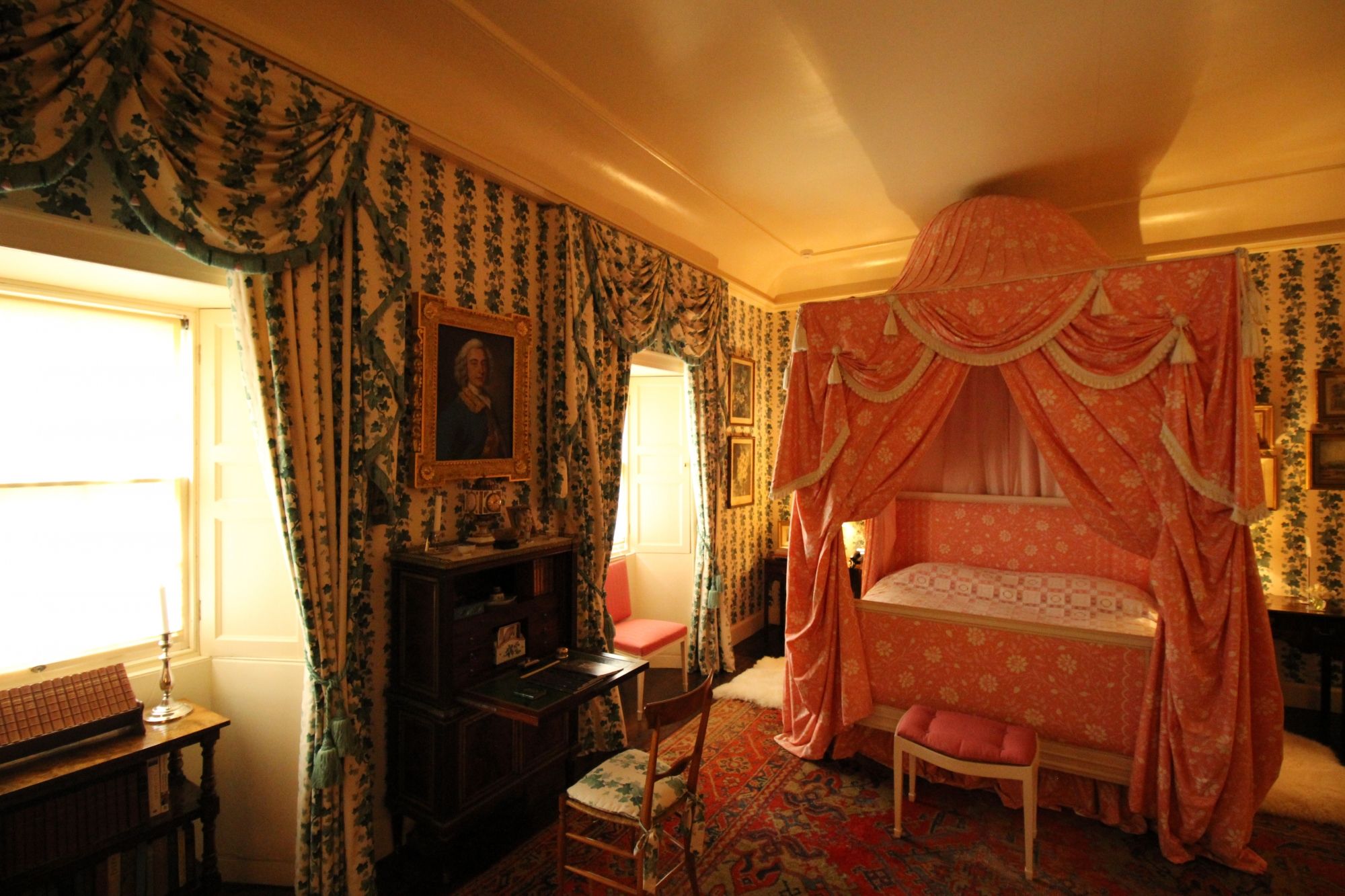
For travelers and road-trippers exploring the Inverness and Moray Firth regions in 2026, Cawdor Castle is an exceptionally accessible and deeply rewarding destination. The castle and its extensive grounds are traditionally open to the public daily from late spring through early autumn. Visitors can explore the intimate, richly furnished interior via an informative self-guided audio tour that blends historical facts with personal, lighthearted anecdotes from the Campbell family.
The estate features excellent modern amenities, including a charming gift shop showcasing local Scottish crafts, a putting green for golf enthusiasts, and the courtyard Woollen Workshop. After touring the historic rooms and wandering the maze, visitors can enjoy locally sourced, traditional Highland baking and light lunches at the licensed castle café. Its close proximity to Culloden Battlefield and the historic Clava Cairns makes it an ideal anchor destination for a comprehensive day trip dedicated to exploring the rich heritage of the Highlands.
Conclusion: A Living Legend
Cawdor Castle beautifully captures the delicate balance between Scotland's turbulent, fortified history and its enduring, romantic charm. It stands not as a monument to decay, but as a vibrant, living testament to continuous stewardship, family tradition, and natural beauty. Whether you are peering at the ancient thorn tree in the depths of the castle vault, walking beneath the canopy of its ancient woodlands, or tracing the mythic footsteps of Shakespeare's Macbeth, Cawdor leaves an indelible mark on the soul—a perfect, sun-dappled sanctuary in the heart of the Highlands.