Benmore Botanic Garden: A Highland Sanctuary
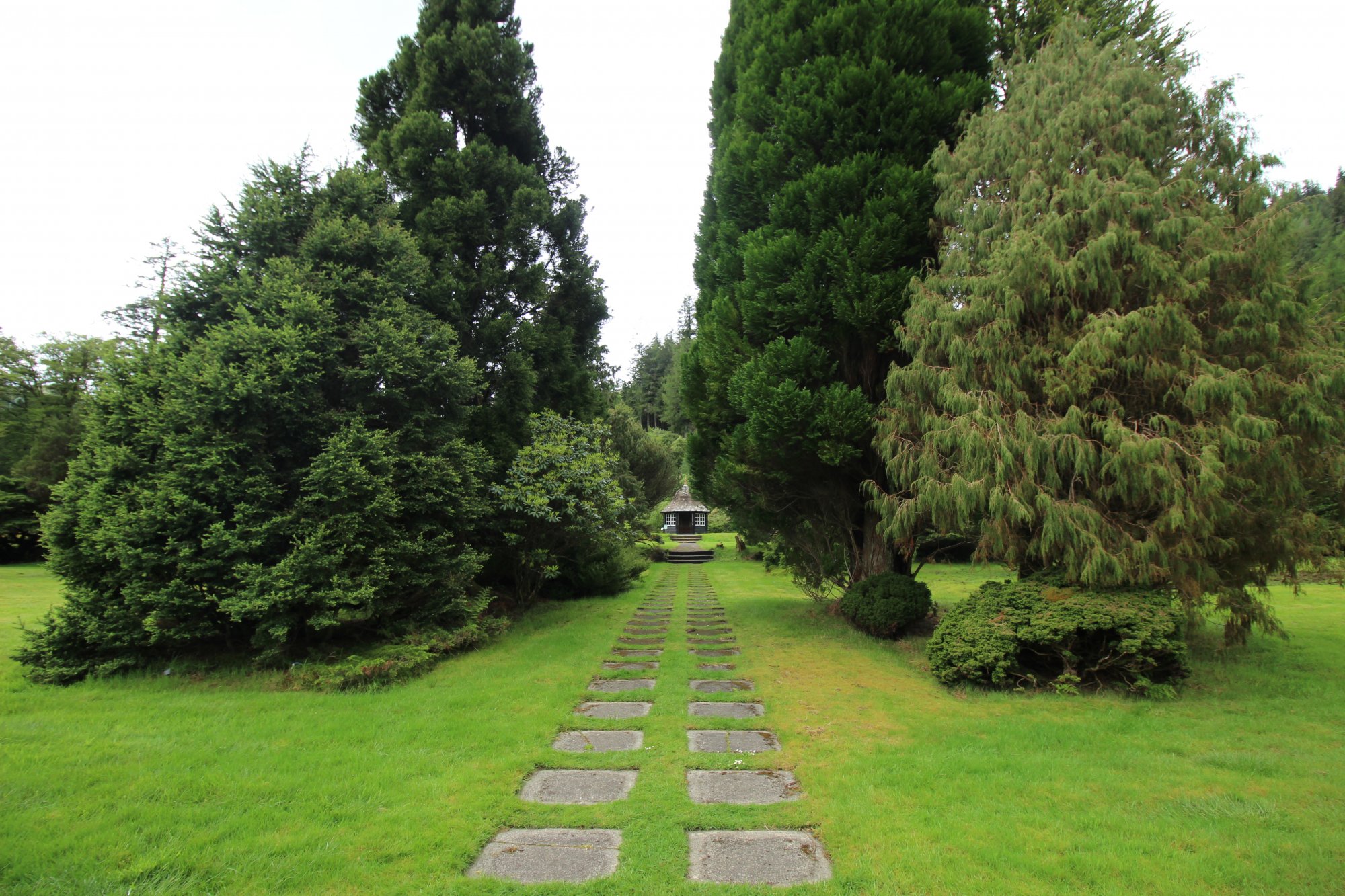
Tucked away in the dramatic Cowal Peninsula of Argyll, Benmore Botanic Garden represents one of the most significant botanical achievements in the United Kingdom. Spanning over 120 acres of rugged mountainside, it is far more than a simple park; it is a living laboratory and a world-class conservation site. Managed by the Royal Botanic Garden Edinburgh, Benmore benefits from the unique "Gulf Stream" climate of Scotland’s west coast. Here, high annual rainfall and relatively mild winters create a temperate rainforest environment that allows exotic species from the Himalayas and the Pacific Northwest to grow with a vigor rarely seen elsewhere in Europe.
The Majestic Arrival: Redwood Avenue
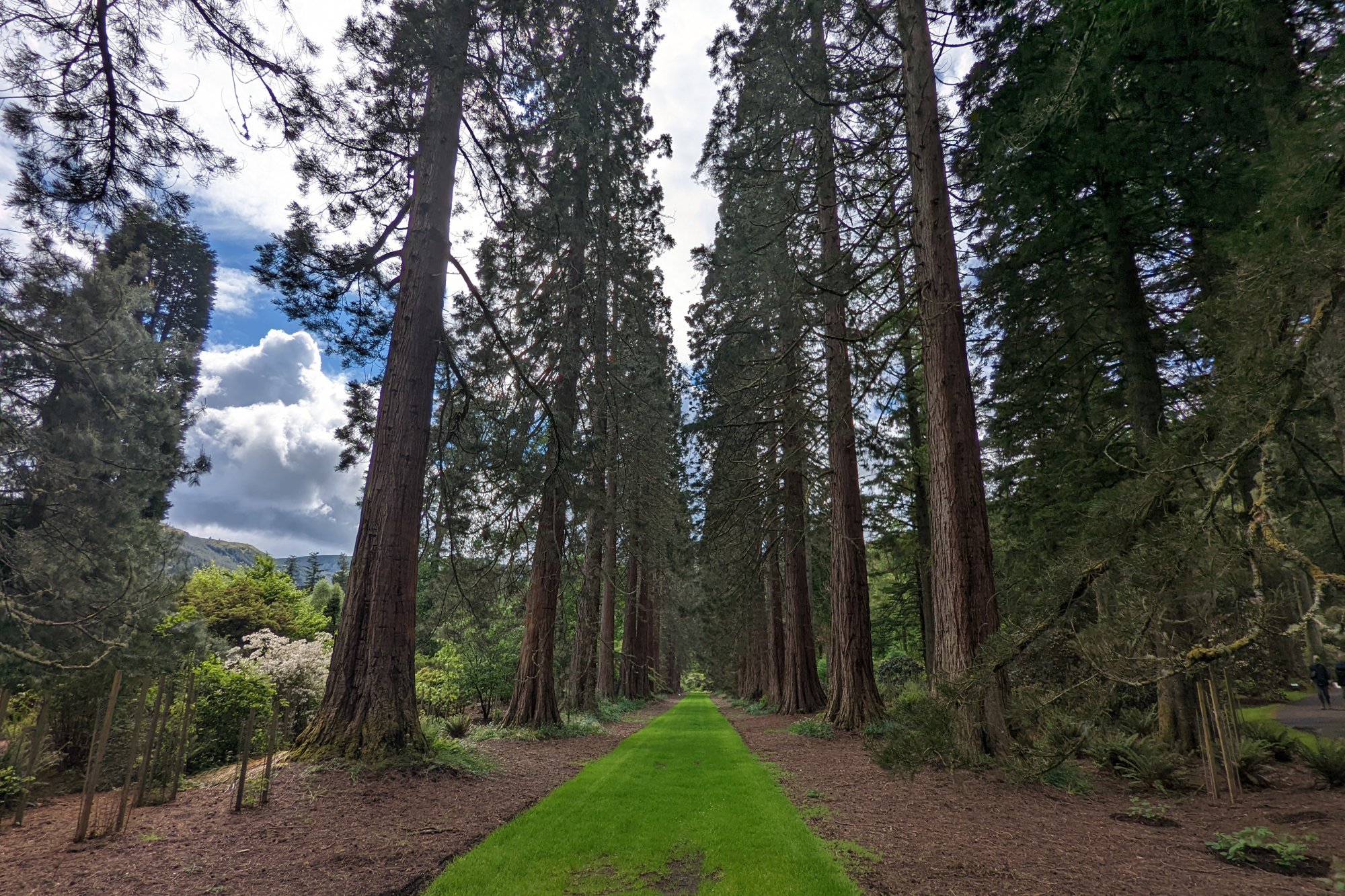
The experience of Benmore begins with a sensory overwhelming entrance: the Redwood Avenue. Planted in 1863 by James Duncan, these fifty giant sequoias (Sequendron giganteum) stand like ancient sentinels, now reaching heights of over 50 meters. Walking beneath their thick, spongy, cinnamon-colored bark, visitors are reminded of the vast timescales of nature. In 2026, these giants remain as healthy as ever, having weathered over a century and a half of Scottish storms. This avenue isn't just a scenic path; it’s a historic monument to Victorian plant hunting and the ambition of 19th-century landowners who sought to bring the grandeur of the New World to the glens of Argyll.
The World-Famous Rhododendron Collection
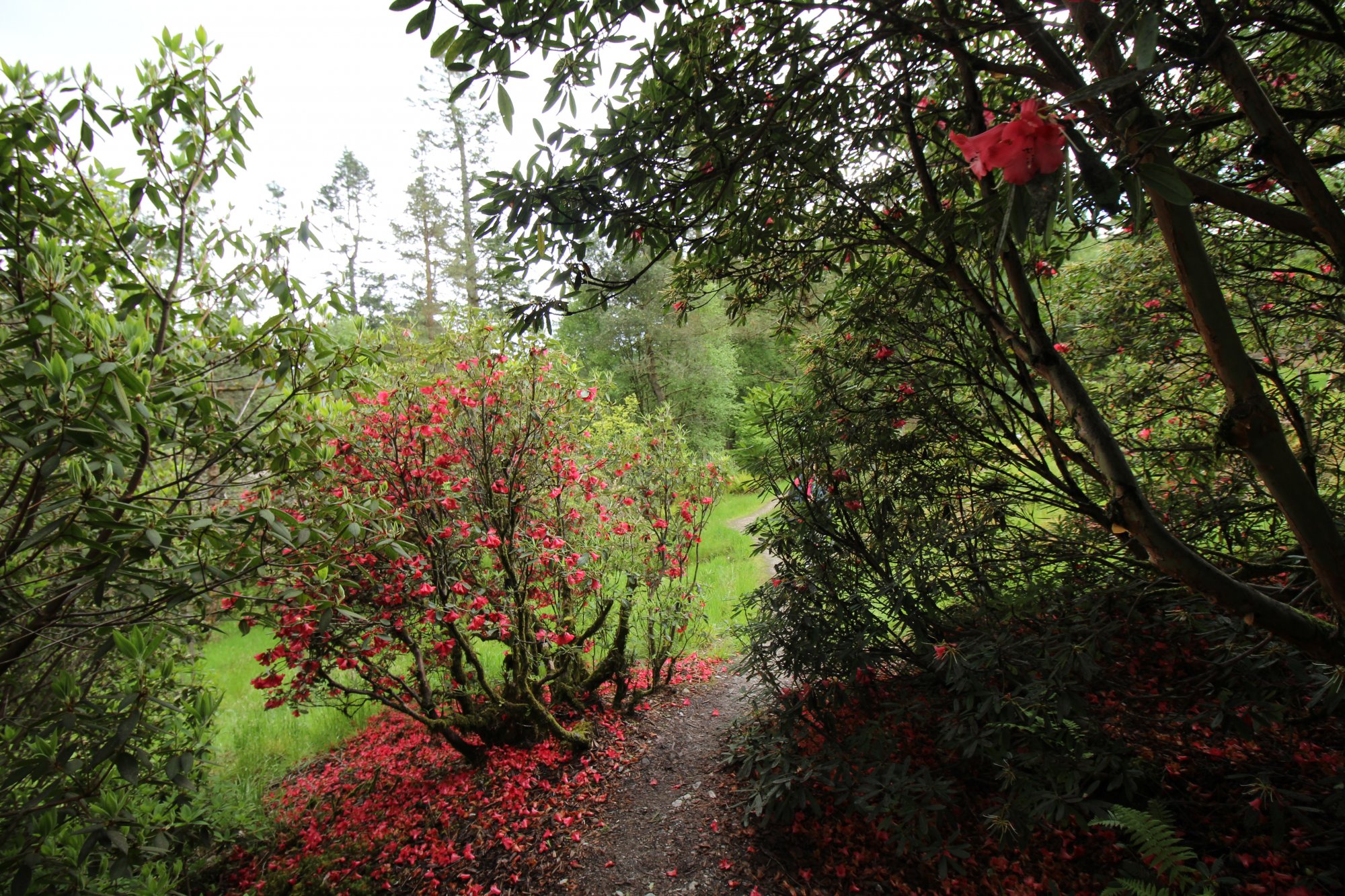
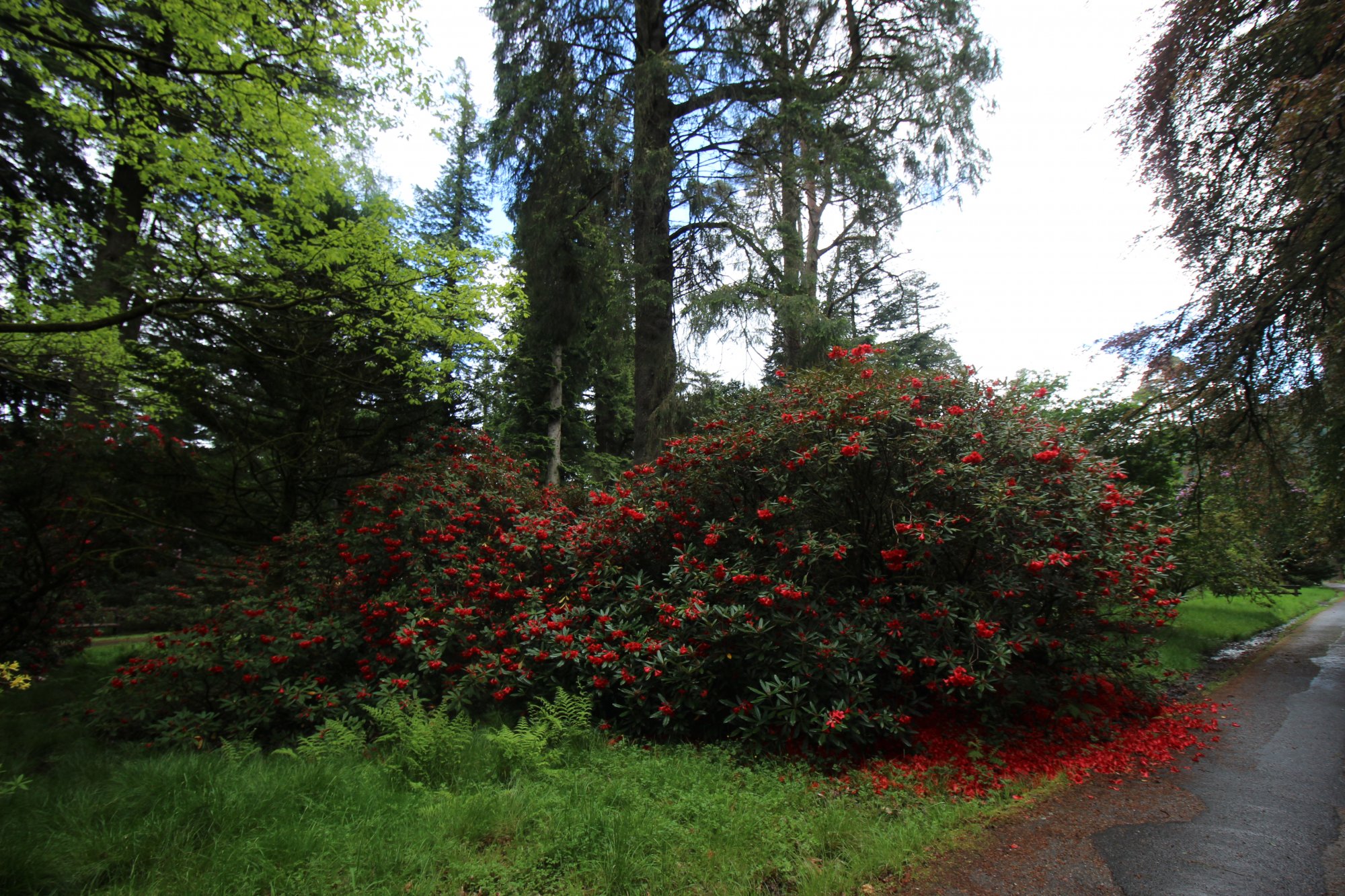
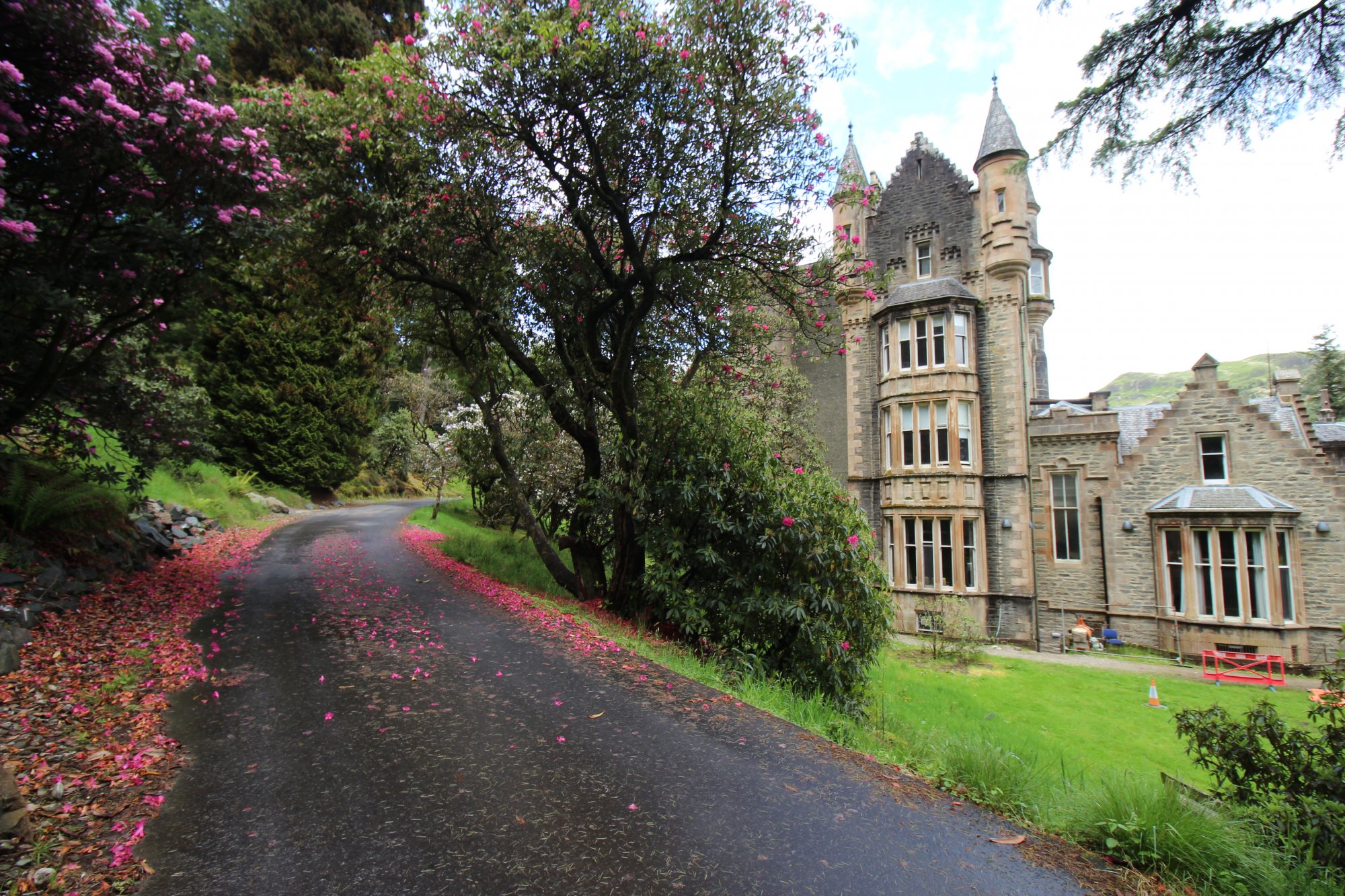
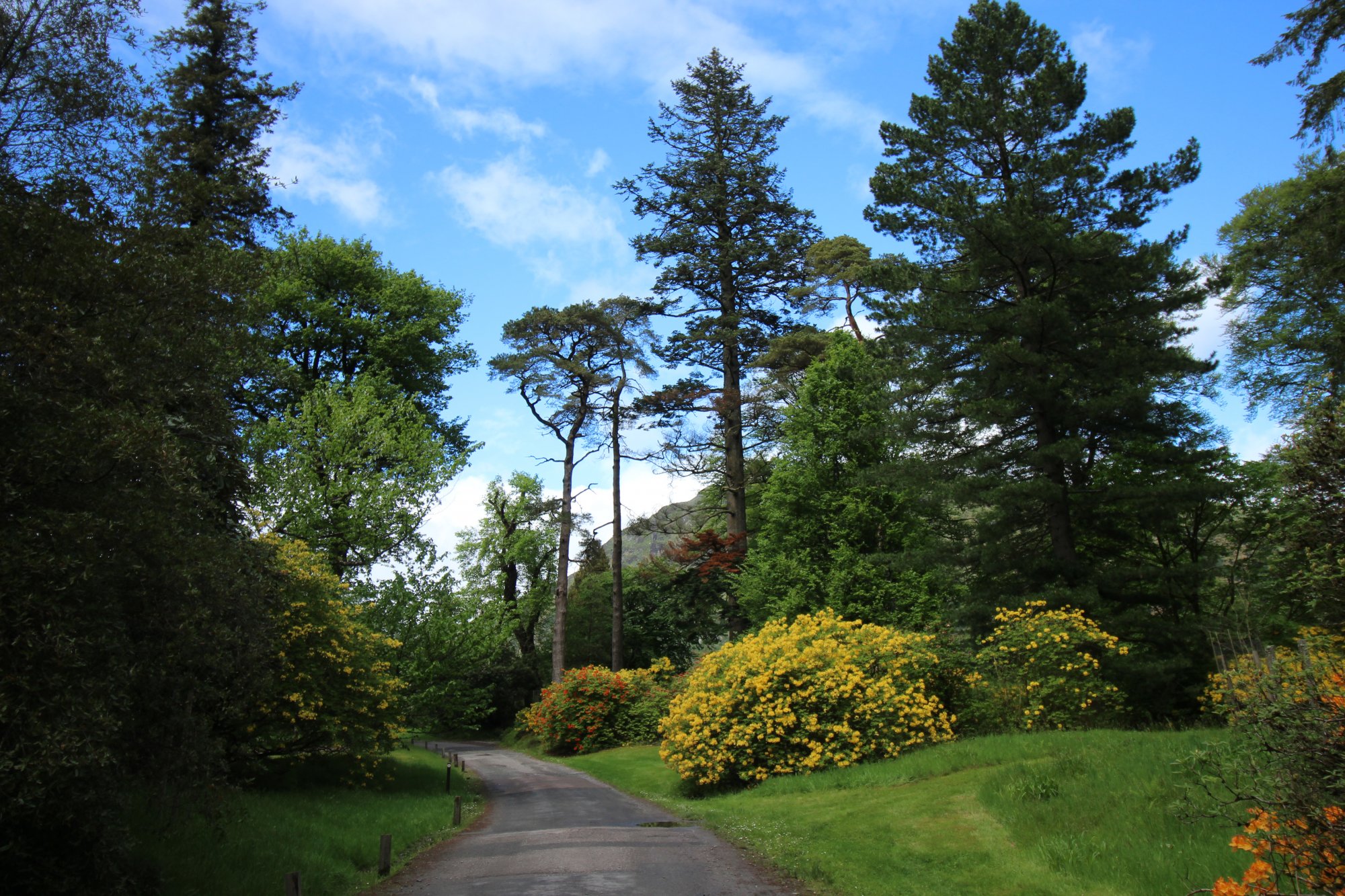
As you move deeper into the garden, the terrain rises, and the sheer scale of the Rhododendron collection becomes apparent. Benmore holds over 300 species, many of which were grown from seeds collected by legendary plant hunters like George Forrest and Joseph Rock. Unlike the hybridized varieties found in suburban gardens, the species at Benmore represent the raw, genetic blueprints of these plants as they exist in the wilds of Yunnan or Tibet. From the massive, tree-like Rhododendron protistum to the delicate, alpine-growing varieties on the upper slopes, the flowering season from March to June is a breathtaking spectacle of reds, magentas, and creams. The botanical arrangement allows researchers and enthusiasts to study how these plants have adapted to different altitudes and soil conditions.
Architectural Splendor: The Victorian Fernery
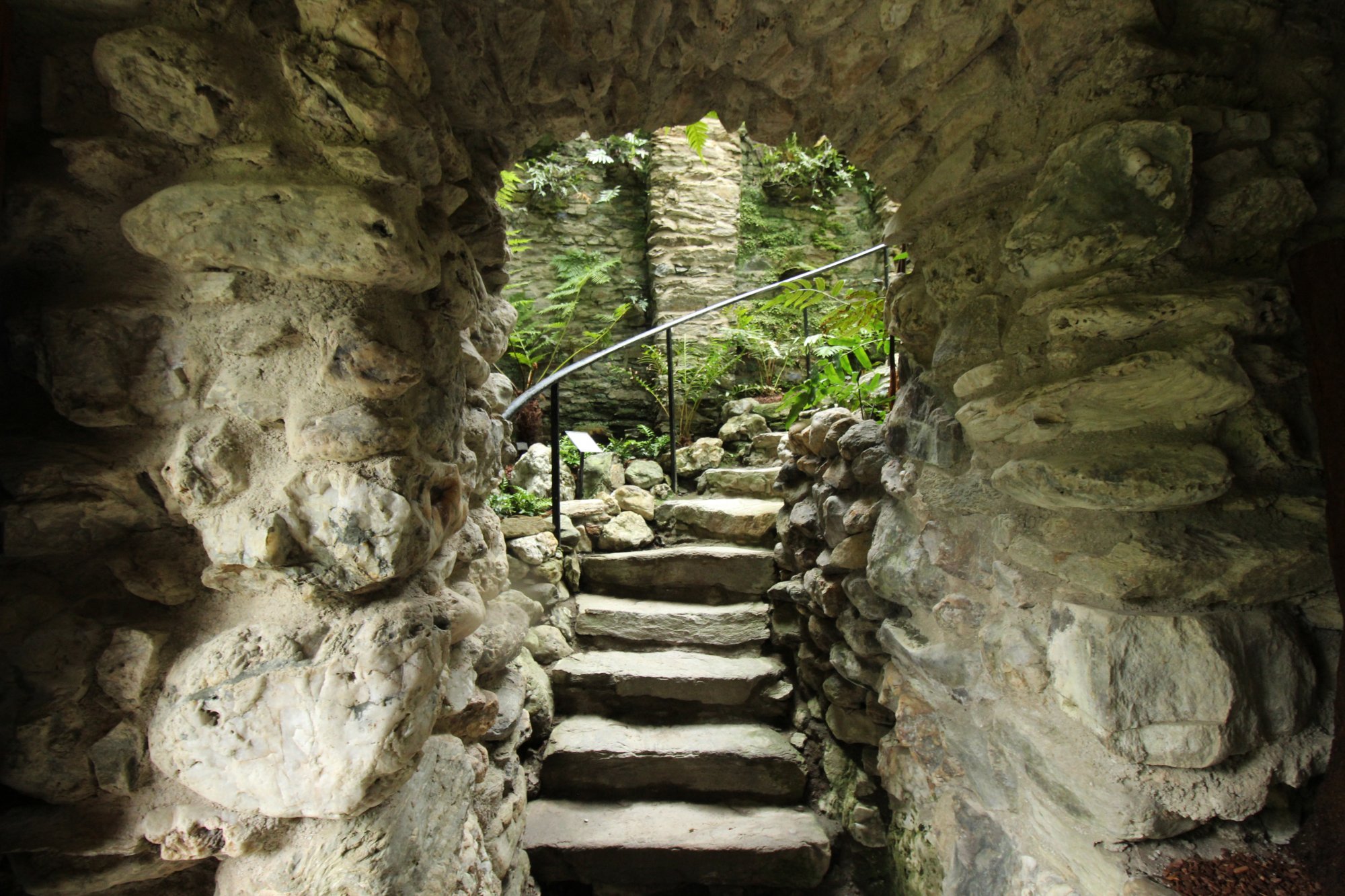
One of the most delicate features of the estate is the Victorian Fernery. Built into a natural cleft in the rock, this glass and stone structure was rescued from ruin and fully restored to its former glory. It is one of the few remaining examples of its kind in the world. Inside, the atmosphere is humid and prehistoric. Ferns from all over the globe—ranging from the massive King Fern to tiny, translucent filmy ferns—thrive in the filtered light. The sound of water dripping from the rocks and the sight of verdant fronds unfurling in the shadows make this one of the most atmospheric spots in the garden. It serves as a reminder of the Victorian obsession with "Pteridomania" (fern fever) and provides a quiet space for reflection amidst the vastness of the mountainside.
The Bhutanese and Chilean Glens
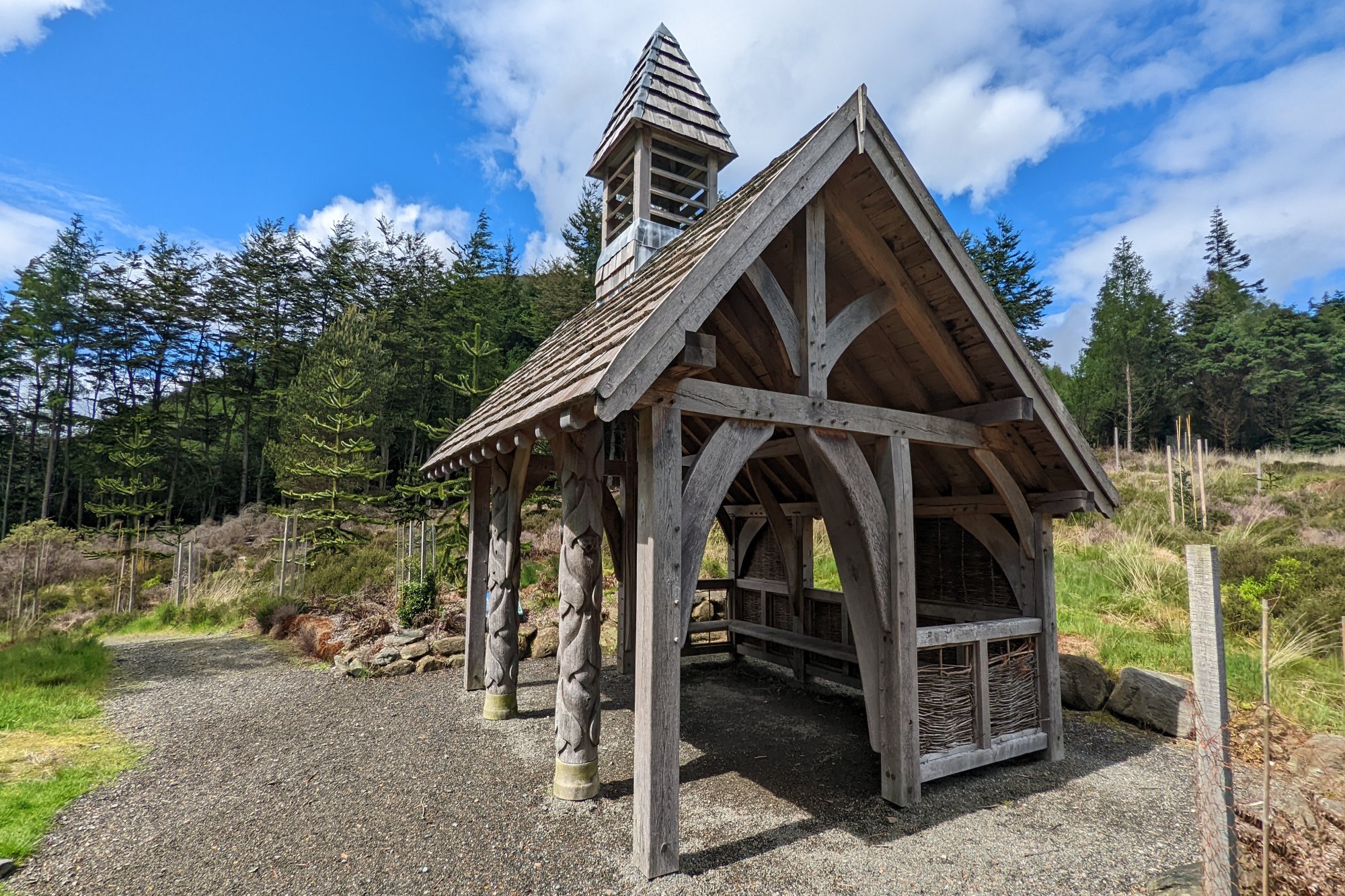
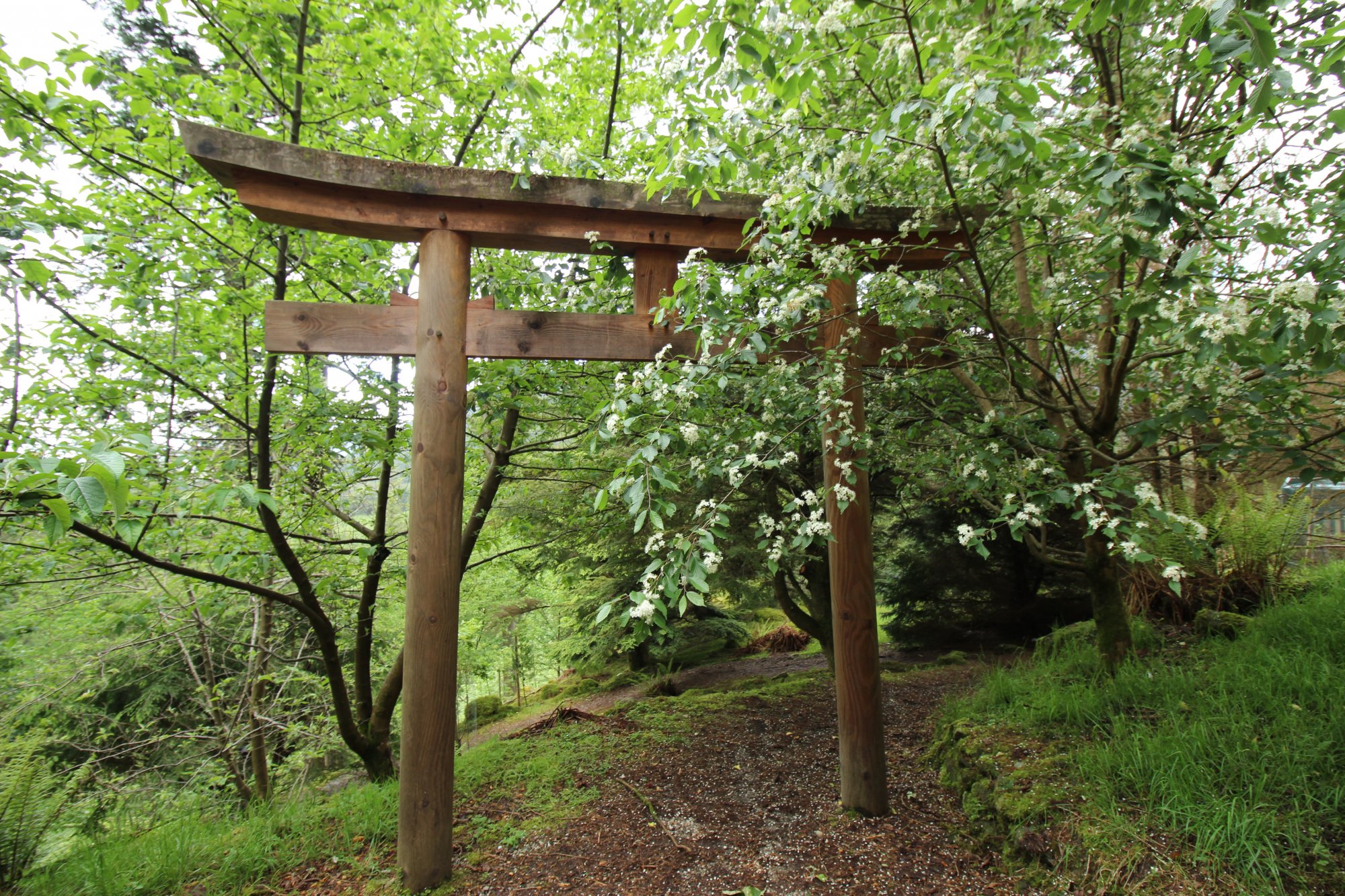
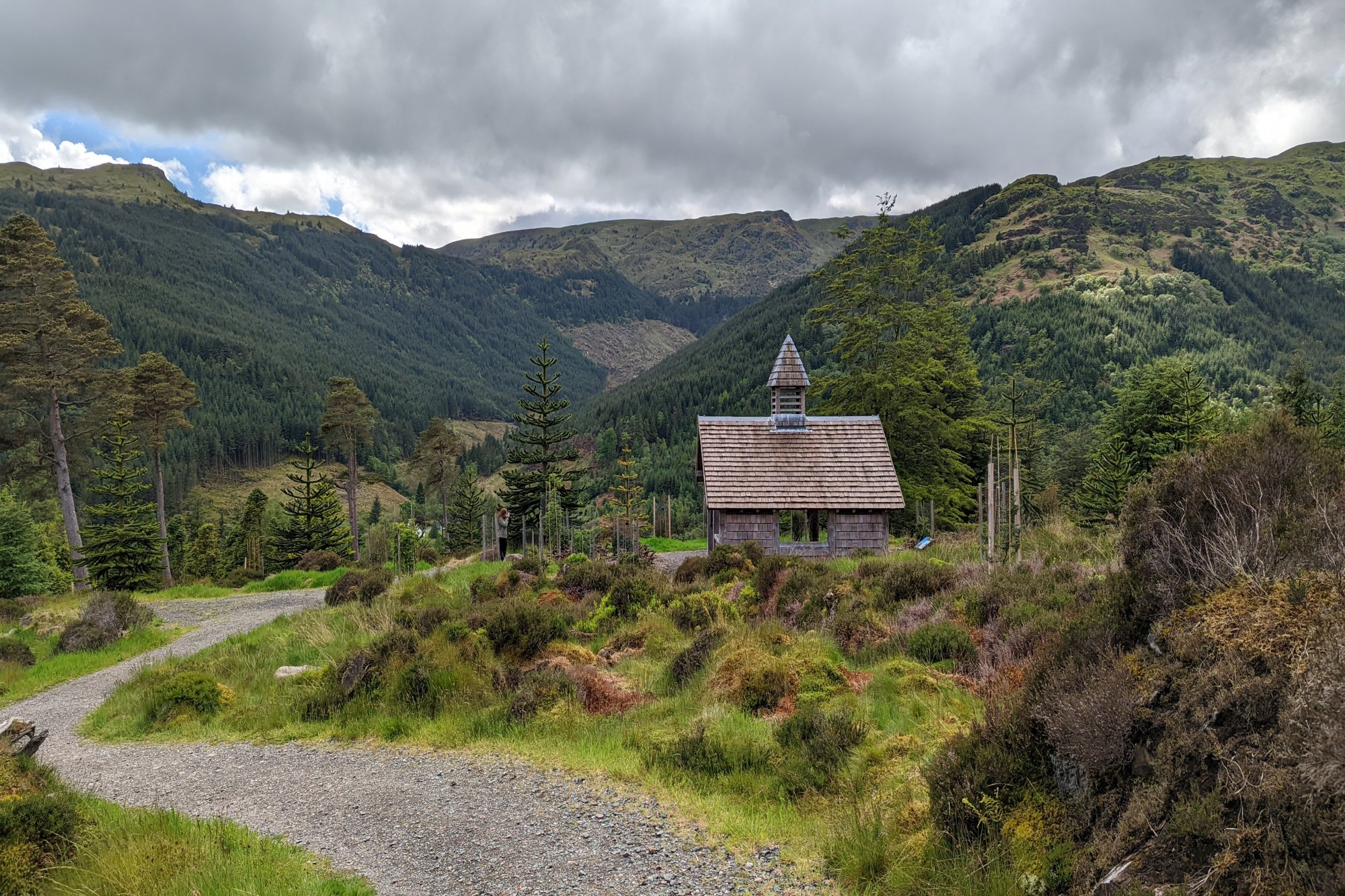
Benmore is cleverly divided into geographic zones. The Bhutanese Pavilion, a traditional structure built by craftsmen using authentic techniques, overlooks a glen filled with plants native to the Eastern Himalayas. Nearby, the Chilean Rainforest section features the iconic Monkey Puzzle trees and the vibrant red Chilean Firebush. These areas are vital for international conservation efforts; as habitats are lost in South America and Asia, Benmore acts as a "safe house" for these species, ensuring their genetic survival. In 2026, the maturity of these plantings provides a truly immersive experience, making visitors feel as though they have stepped out of Scotland and into a distant mountain range.
Wildlife and the Wildlife Hide
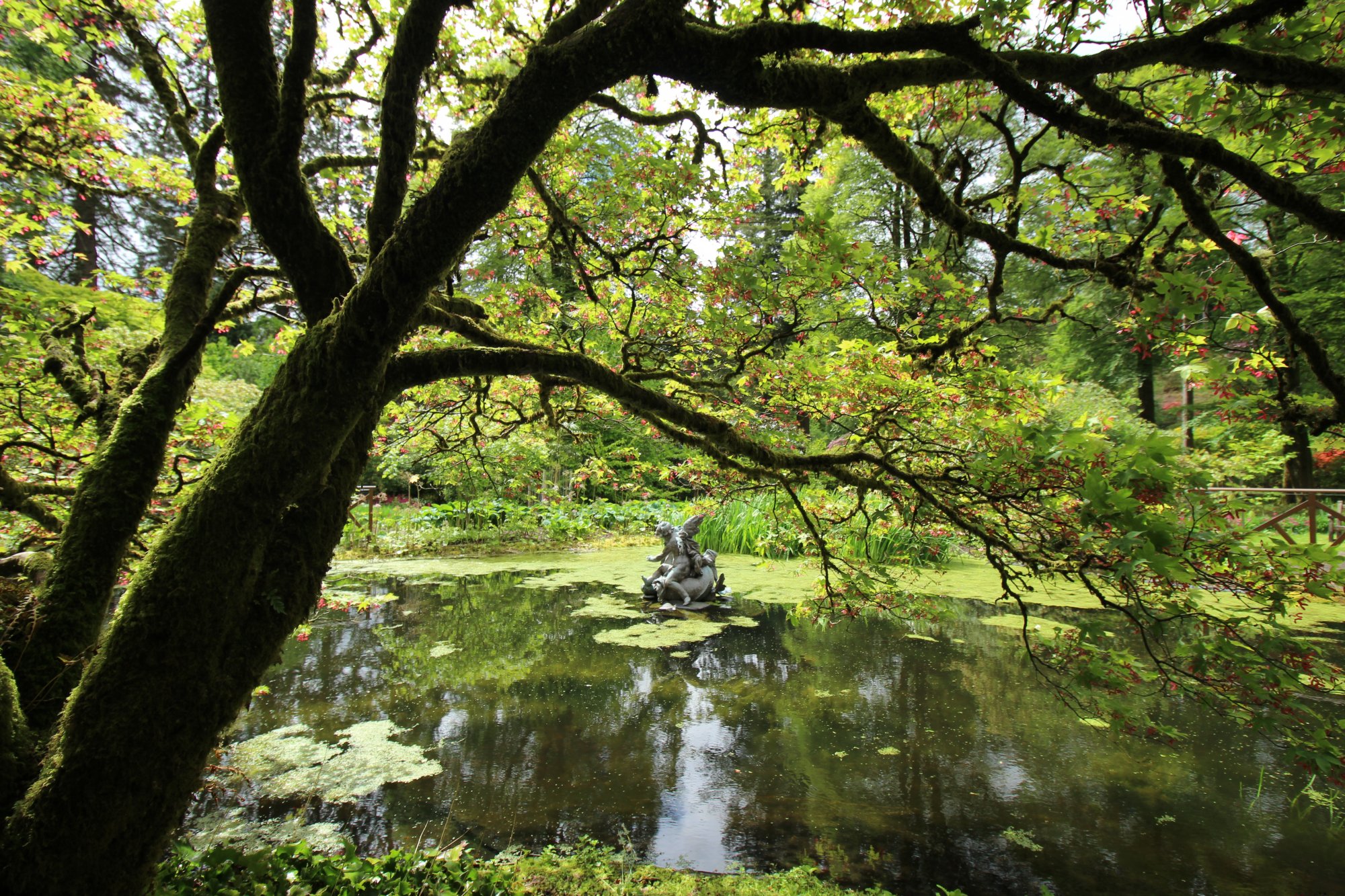
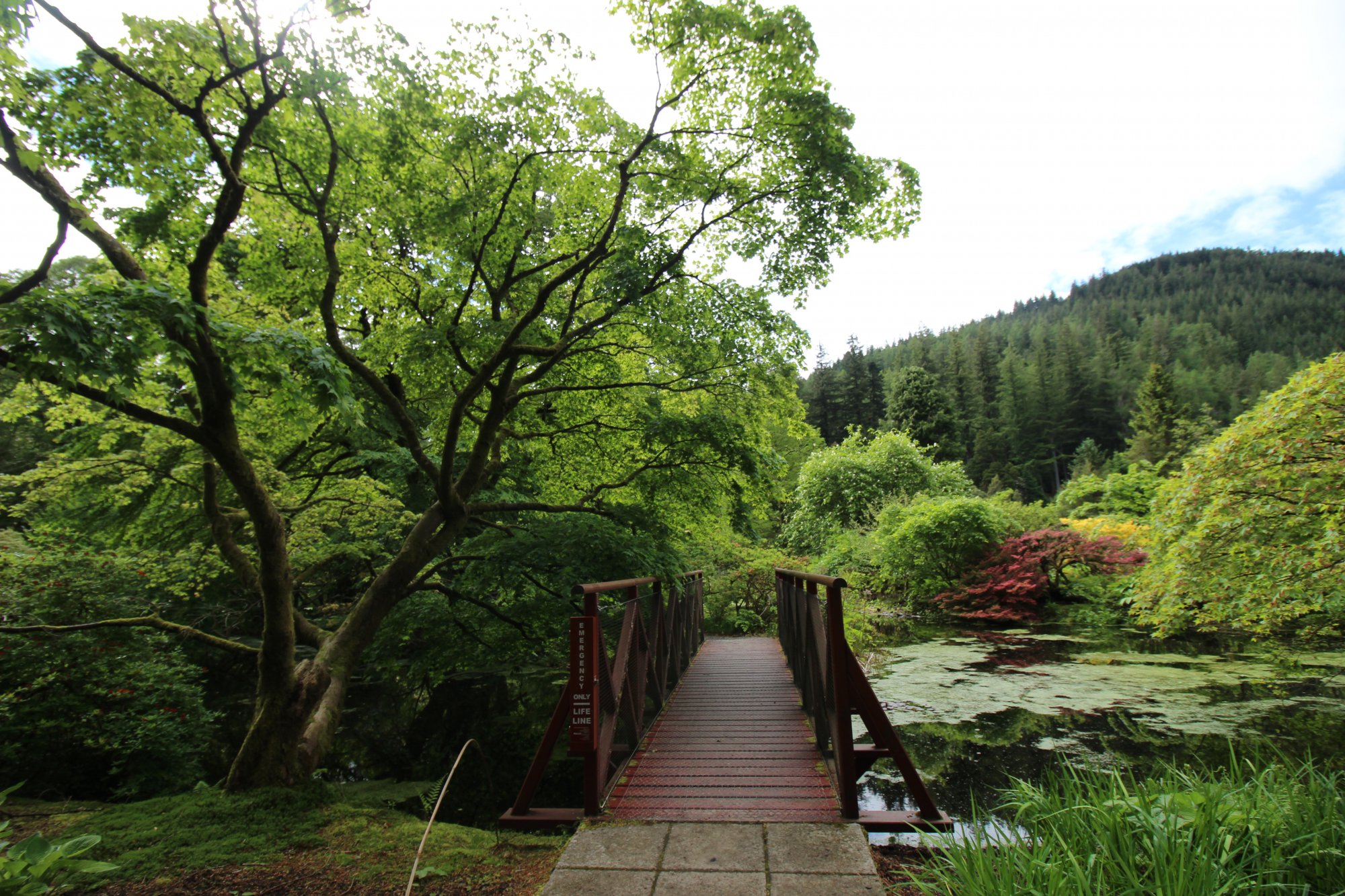
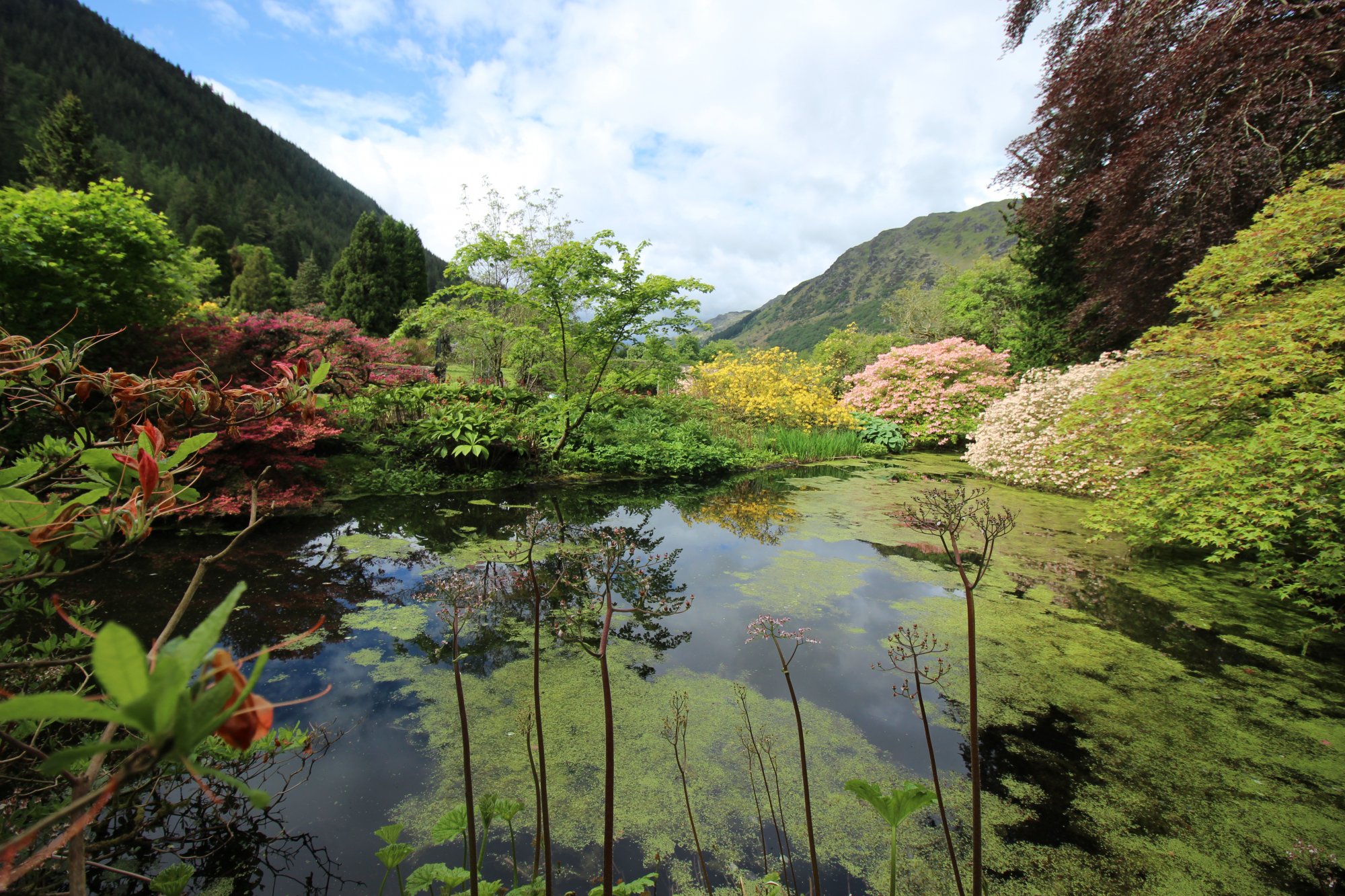
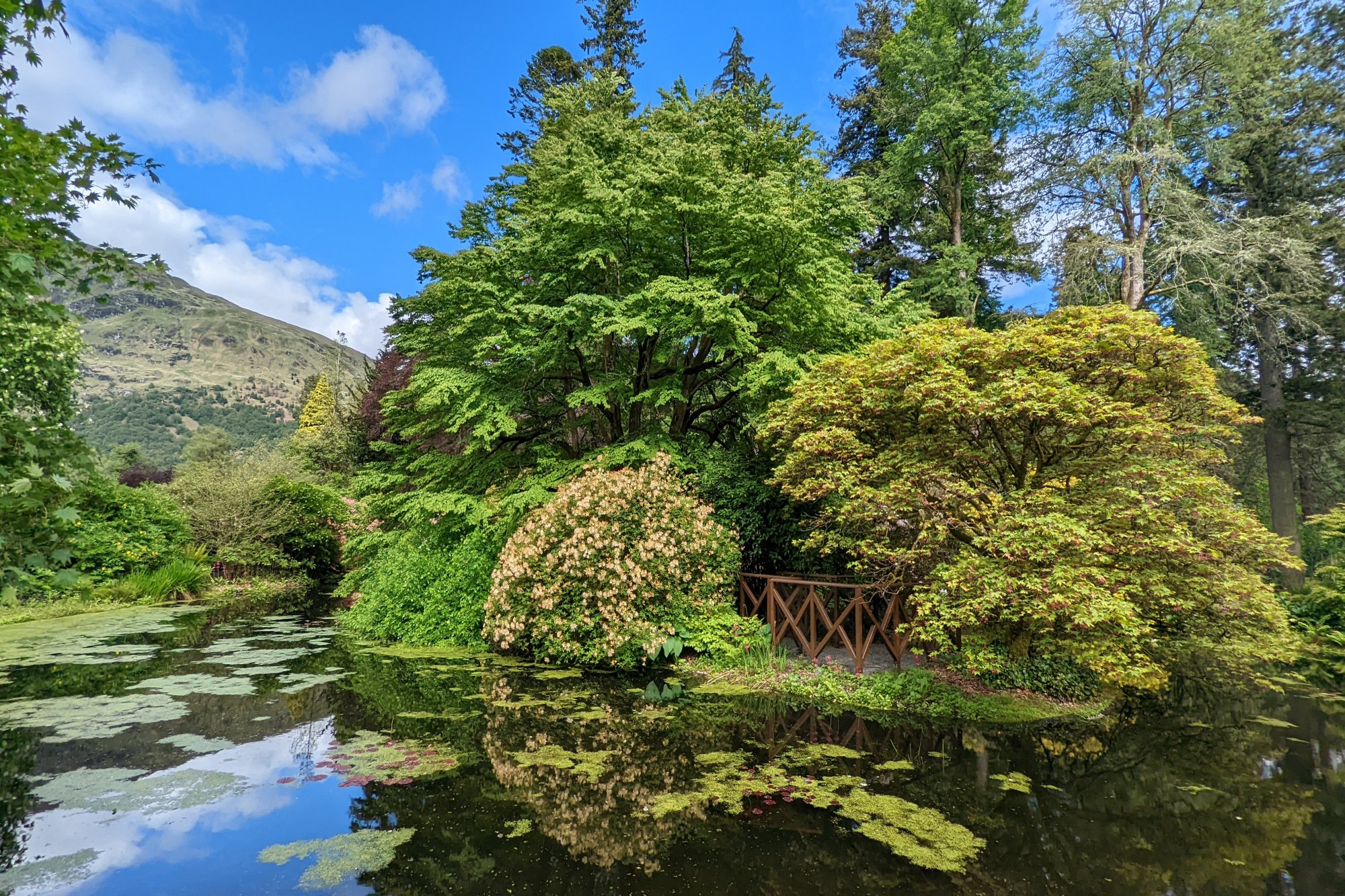
The garden’s commitment to biodiversity extends to its native inhabitants. Because Benmore is managed without heavy pesticides and maintains a diverse forest structure, it has become a stronghold for the Red Squirrel. From the dedicated Wildlife Hide, patient visitors can watch these charismatic mammals foraging. The skies above are often patrolled by sparrowhawks, and it is not uncommon to see Golden Eagles or White-tailed Sea Eagles soaring over the neighboring Holy Loch. The pond area provides a serene habitat for dragonflies and various waterfowl, grounding the exotic botanical collection in the natural beauty of the Scottish Highlands.
Practical Advice for Your 2026 Visit
- Timing: While May is peak for Rhododendrons, the autumn colors in October are equally spectacular as the maples and larches turn gold and crimson.
- Fitness: The garden is steep. To reach the top viewpoint (137m), you will need a moderate level of fitness and sturdy walking shoes. The views of Holy Loch from the summit are the best in the region.
- Facilities: The Redwood Coffee Shop is renowned for its local Scottish produce. In 2026, it continues to serve as the perfect post-walk reward.
- Sustainability: Visitors are encouraged to use the local bus services from Dunoon to reduce the carbon footprint on this sensitive environment.
Conclusion
Benmore Botanic Garden is more than just a collection of trees; it is a bridge between cultures, eras, and ecosystems. Whether you are a serious botanist, a history enthusiast, or a family looking for a majestic walk, Benmore offers a scale and beauty that is unmatched. In the 2026 season, it remains a testament to enduring fascination with the natural world and a vital sanctuary for the planet's botanical treasures.